



The gap between the figures claiming that inflation is falling and the bill we pay at the supermarket checkout has never been more visible. The CPI has been declining for months, but the purchasing power of the money in our pockets has yet to return to its former days. Why? Because a drop in inflation does not mean a drop in prices. Inflation is the rate at which prices increase. When that speed slows down, prices do not stand still; they just rise more slowly. Price increases that reached 60% or 80% in recent years may have fallen to 30% today. But prices have already peaked long ago. The permanent damage to our purchasing power is not erased from memory with every figure reflected as an "improvement" in the CPI table.
What is the Inflation Tax?
In economic literature, this situation has a striking name: Inflation tax. It is an invisible cost that arises without a new law being passed or a tax regulation going through Parliament. This erosion directly affects fixed-income employees, retirees, and savers. The TL in our bank account may show the same figure, but we cannot buy with that figure this year what we bought last year. This difference is the inflation tax. The new projections announced by the Central Bank say that inflation is on its way to the target. Yet, who is paying the price for this journey? Since the nominal incomes of wage earners do not increase at the same rate, rent, food, transportation, and basic needs remain very heavy relative to income. The loss in real purchasing power is more permanent than inflation itself.
Oil Fuels Inflation
This is where developments on the other side of the world come into play. The oil traffic passing through the Strait of Hormuz directly determines Turkey's energy costs. Before the US-Iran conflict that began in February, oil was at the $70 level, but uncertainty and supply constraints in the strait sent prices soaring. As of August 13, "progress" signals from the Oman-Iran talks pulled oil prices back from over $90. However, Brent crude is still at around the $88 level. More importantly, the ship traffic passing through the Strait is still well below pre-conflict levels. There is a deep chasm between diplomatic optimism and physical reality. This chasm is directly reflected in fuel prices. As of August 13, the price of a liter of diesel on the European side of Istanbul is 80.07 TL, and gasoline is 69.92 TL. These figures show how deep and permanent the increase in energy costs is.
How Does the Cost Chain Work?
High energy costs push producer prices (PPI) upward. As production costs increase, a chain of cost-push inflation begins, extending from the industrialist to the merchant, and from the merchant to the supermarket shelves. Transportation becomes expensive, food becomes expensive, services become expensive. The inflation tax grows exponentially at every link in this chain. Price increases start with a single item but spread to the entire economy. As consumers, we pay the full bill at the very end of this chain.
Behaviors Fuel Inflation
The most devastating effect of inflation is psychological. When people start thinking "prices will go up anyway," their behavior changes: They shop today, demand higher wages, put high rent increase rates into lease agreements, and hoard goods. These behaviors create a vicious cycle that feeds the inflation tax. High-income groups protect themselves against erosion by shifting their assets into foreign currency, gold, or real estate. Fixed-income employees and retirees bear the heaviest burden of this invisible tax. When inflation expectations turn into behavior, the effectiveness of monetary policy also becomes questionable.
How Do We Break This Vicious Cycle?
So, is it possible to get out of this impasse? First of all, interest rates and monetary policy alone are not enough to fight inflation. Fiscal policy must also be activated. The tax burden needs to be reorganized to support production and employment, and public spending must be directed toward productive areas. Second, increasing competition and improving market structure can reduce price pressures. Third, it is essential for the Central Bank to follow a transparent and predictable communication strategy to manage inflation expectations. Fourth, supply chain efficiency needs to be increased to narrow the gap between producer prices and consumer prices. However, for all these steps to yield permanent results, social consensus and trust must be established. The way to get rid of the inflation tax is to treat inflation not just as a statistic, but as a reality felt right in the middle of life.
Conclusion: Not What is Announced, But What is Felt
No matter how much inflation figures show a "decline," the real issue is what happens to our level of welfare. With volatility in oil prices, uncertainty in the Strait of Hormuz, and producer prices, the difference between Turkey's "felt inflation" and "announced inflation" is the most critical reality of the economy. Figures may fall, but prices never come back down. As long as the inflation tax continues to be paid, the only thing that does not return is our purchasing power. Structural reforms and the building of trust are essential to break the cycle. Otherwise, every falling figure turns into a new disappointment.
Most Read

The woman who recorded CHP's Yazgan speaks out
The week's winners and losers on the stock market have been announced
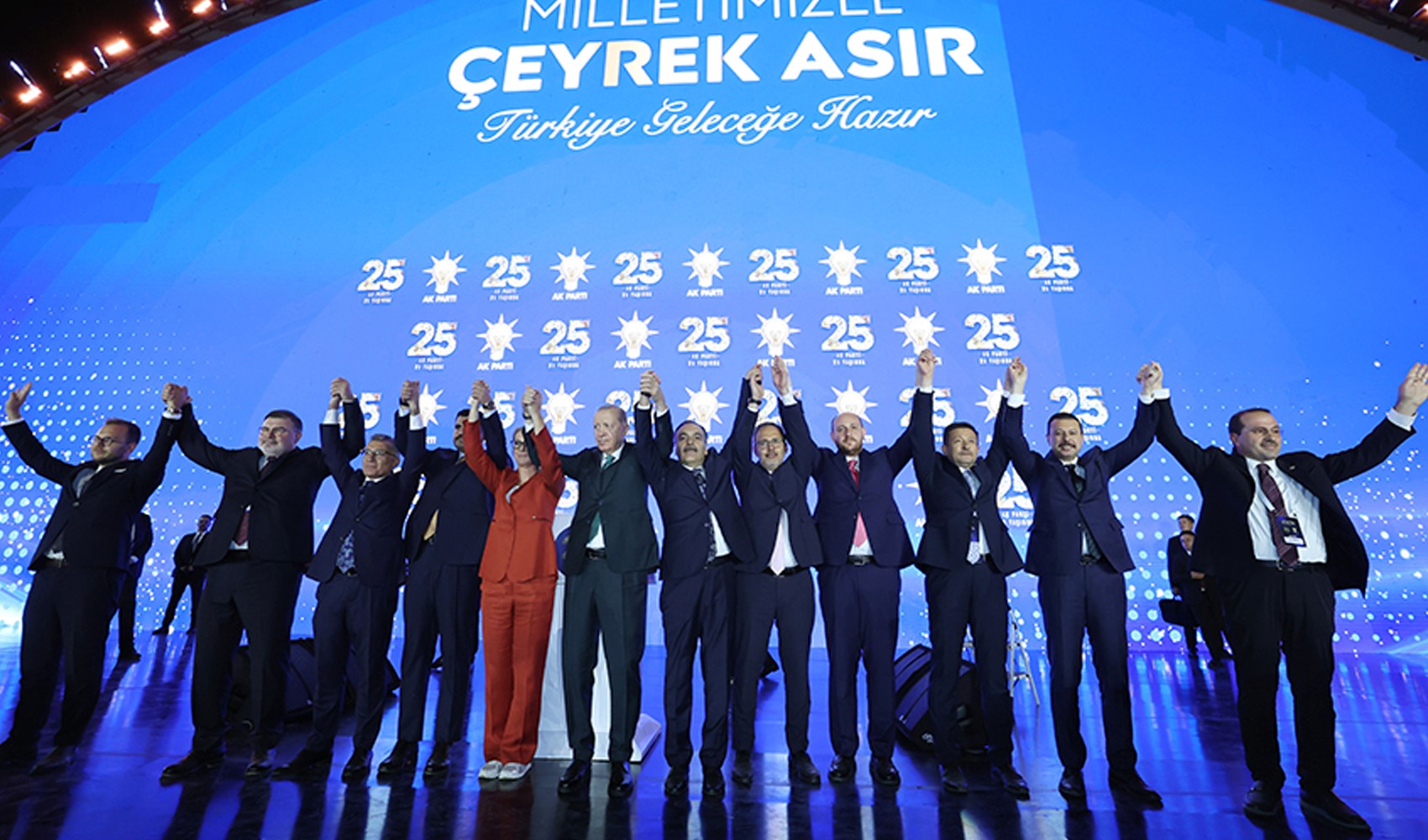
Here are the 7 mayors who joined the AKP

How happy is the one who says I am a Turk

Driver who refused breathalyzer test fined 550 thousand liras

The cross-relationship between technology and quality

Tax-record-breaking humanities graduates

She made AKP history

The invisible bill of disinflation
Call to Balıkesir rally with 'Treason Choir' themed video