



We can accept this as a pretext to ask a question: The documentary released yesterday and the voluminous book distributed (“Ateşten Düşünce – Yalçın Küçük”) about Prof. Dr. Yalçın Küçük, who has stamped his mark on all creative intellectual interventions of the last 50 years, are on the agenda of those interested. Good.
It is good, and we can already say that this unforgettable revolutionary “thinker” will continue to exist in our intellectual arena for decades to come. Dr. Küçük will experience the fate of exceptional thinkers who can open new doors and will always be discussed. How he was a “pathfinder,” or more accurately, as his long-time companion Mesut Odman puts it, how he was an “icebreaker,” and which frozen soil he tried to make bloom and why/how, will be talked about for years to come. His theses will be debated extensively.
Let us take a step forward and look at today.
The Turkish intellectual is still beating themselves up to develop a program of liberation, and while doing so, they do not shy away from paying the heaviest prices (“our magical prison”).
The problem is not this.
The problem is this: Are there such intellectuals in Europe, on which Turkey is dependent at its core, and if they exist, do they have any influence? Do they carry any weight? Are they brave?
We are not just talking about taking risks or sticking one's neck out if necessary. Our concern is not just the accumulation of knowledge either. We are talking about being able to create a transcendence and creating the masses necessary for this. There is undoubtedly a lot of knowledge and knowledgeable people in the major European languages. But what we are looking for is something different. After all, Europe is a “thing” rising on the remnants of imperialists.
Yalçın Küçük was producing within the framework of a republican, socialist program of liberation and reconstruction. It is very clear that this is the result of a need.
The question is in which “democratic” country of Europe and for what reasons such a need, similar programs, and transcendent intellectuals can be found.
The answer to this question, if it is being asked, is “Not today!” It does not exist because, perhaps, there is not yet the kind of destruction we have and the need born from it. Of course, it existed in the first half of the last century. The intellectual is, in the end, a derivative of a social and historical need. One could also say they are the product of it.
In that case, the last rupture in European languages was dared a century ago. And that last exit did not remain fruitless. It materialized in many Eastern European countries in 1945, and these were razed to the ground in 1990. However, we witnessed decades where, for example, a German Democratic Republic, with its existence and absence, determined the fate of all of Europe. Anyway... Past times...
Let us look at today.
The -now mostly non-existent- possibilities of Europe's imperial and/or imperialist democracies had dazzled the intellectuals and intellectual candidates of Turkey-type countries for decades. They even blinded them. Especially during the Cold War. This “artificial violence” first removed socialism from the agenda of the intellectual in Europe and then turned intellectual candidates into simple technocrats; brave hearts who continued to seek an advanced leftist republic were left alone. They withered. They surrendered themselves to the brightness of the neons, and thus to captivity. Calls for a principled/programless “united front” and “standing side by side” were never missing from their lips.
They became unable to cross the boundaries of this great illusion.
They could neither escape the blinding effect of imperial brilliance nor jump over the shadow created by those lights. The shadow was so large/dark and those deceptive neons were so powerful that they could not overcome it.
It is enough to take a look at the streets and media world of today's Germany. Let us not count the few and ineffective exceptions for now.
This means that areas, countries, and languages where the neons are not so bright and the shadows are not so large/dark are important.
Perhaps only those who can step outside the imperial stage (the imperialist framework), the actors outside this stage, have a chance.
Those inside the stage, that is, the existing, reasonable opposition, are running toward a “sinkhole” that has reached terrifying dimensions, in a blinded and deafened state. Those outside the stage, if they can massify this daring of theirs, will have done a great service not only to their own languages and peoples but also to humanity.
Because the sinkhole is growing. It could swallow humanity too.
New generations of intellectuals who can step outside the existing systems in Turkey and the EU contain a potential power that could change the fate of not just Anatolia, but the entire region and even the world. We have to think about this.
The coming together of intellectual generations who can jump over their own shadows, and who can do this naturally, with the laboring classes for a transcendent republic (“Long live the laboring intellectual republic!”), and thus thought attaining its substance and becoming a material force, is possible not in the lap of those very democratic countries polished by imperialist remnants, but in the lap of countries like ours, languages, intellectuals, and laboring classes that are in the midst of a catastrophe.
Turkey and the Turkish language are pregnant with many riches.
Most Read
The logo of the New Party has been revealed
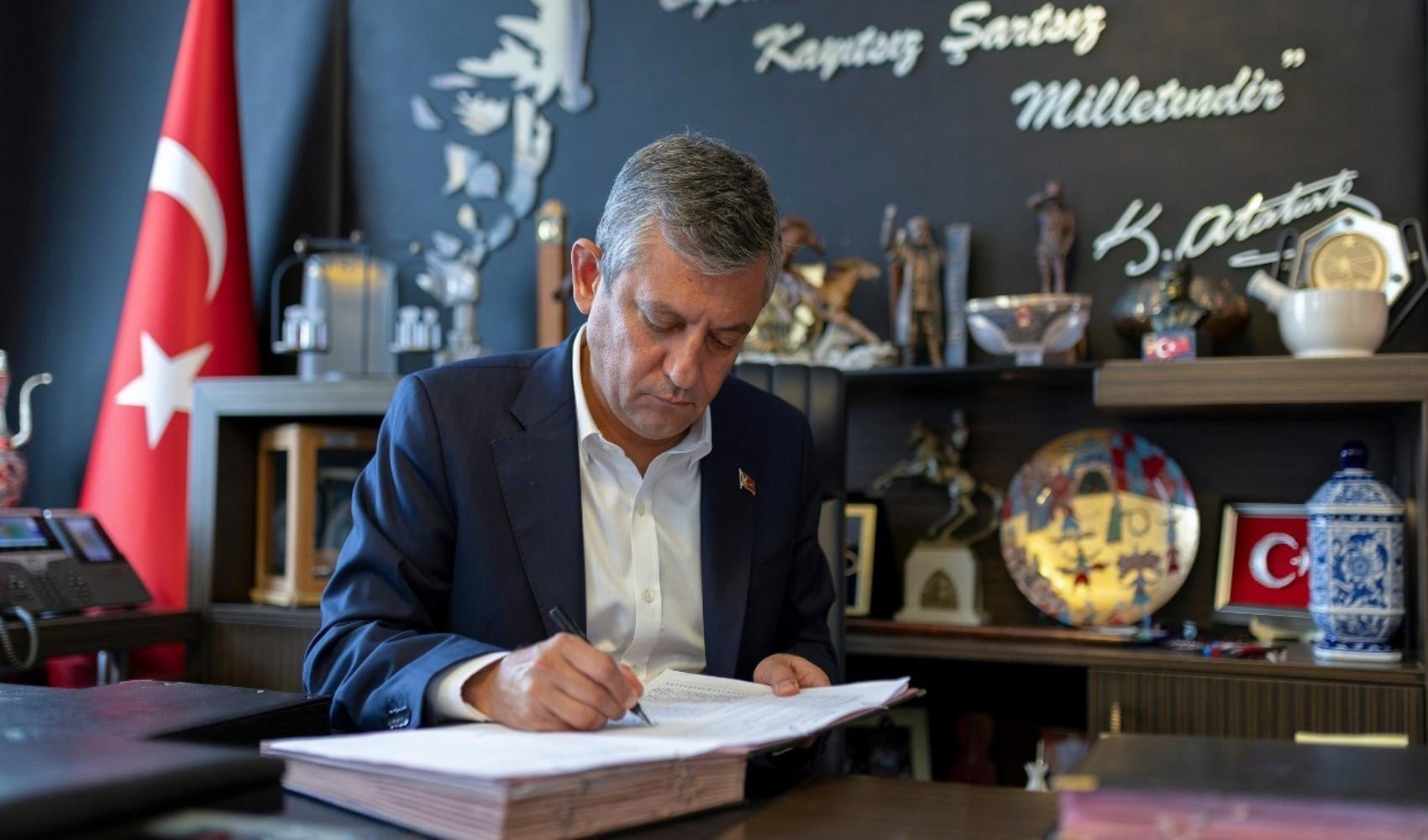
Özgür Özel has resigned from the CHP

Young couple dies after jeep falls off 15-meter cliff
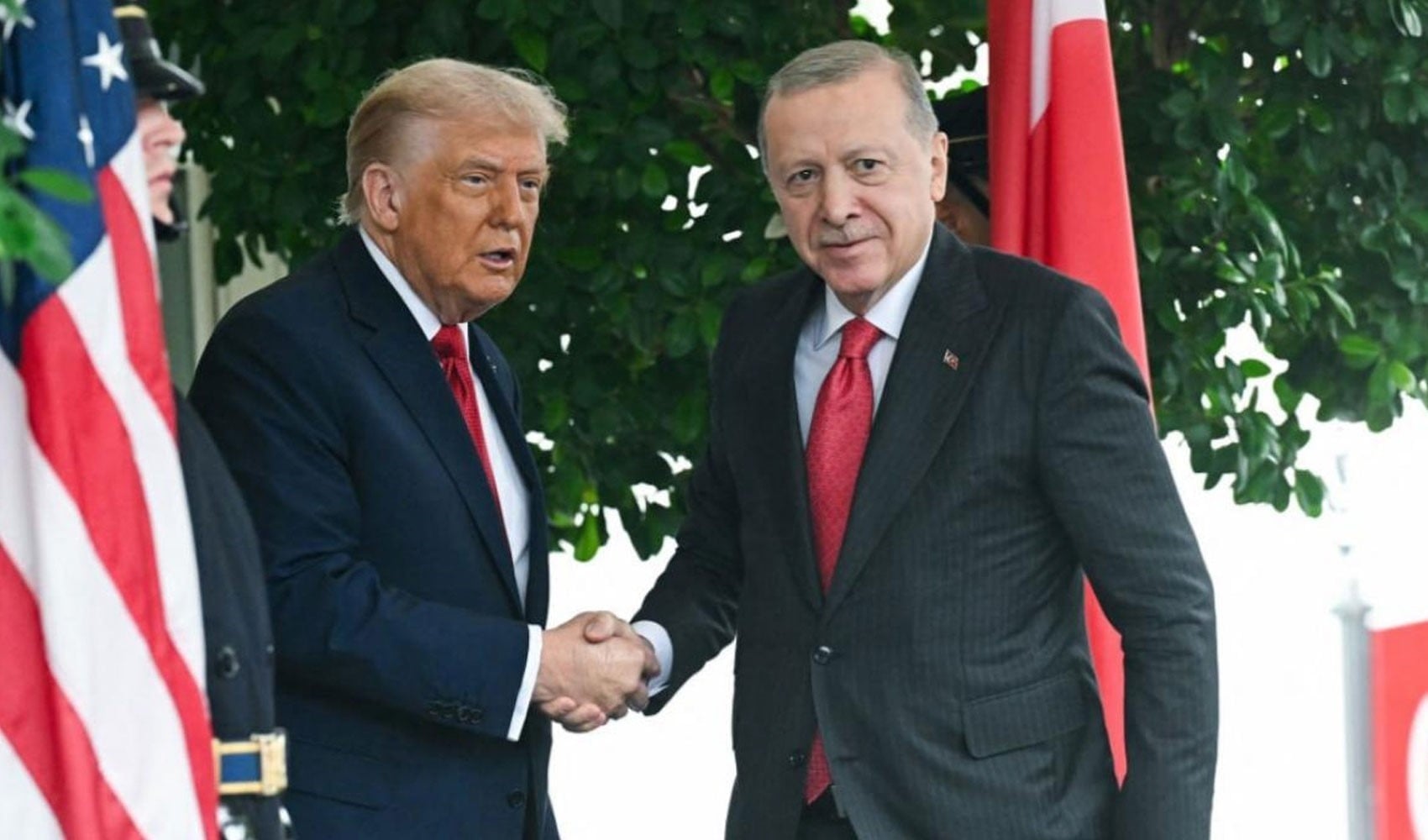
Additional tariffs from the US to Turkey
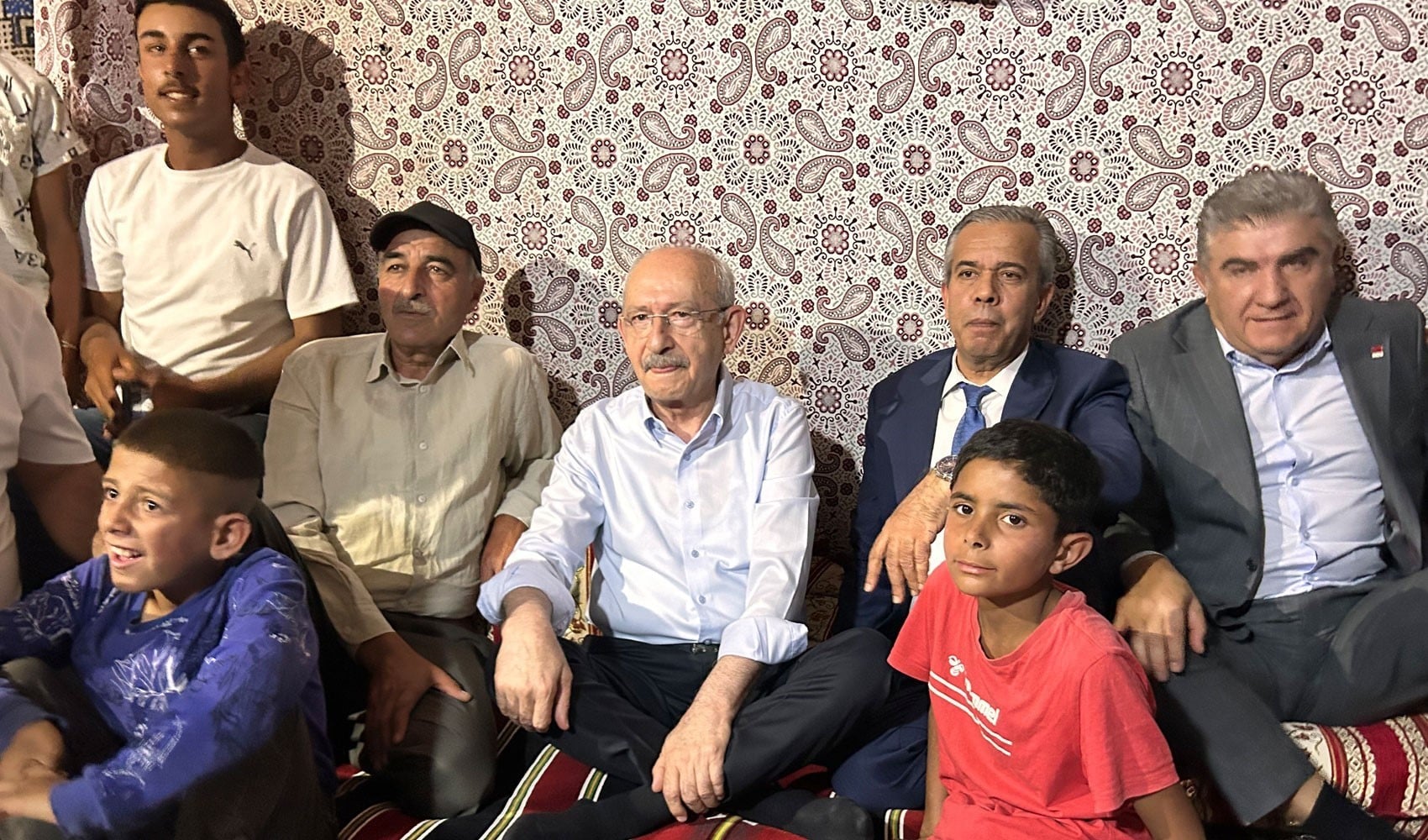
The debates within the CHP do not interest me at all
If they care about Lausanne!...
So, what will the CHP do now?
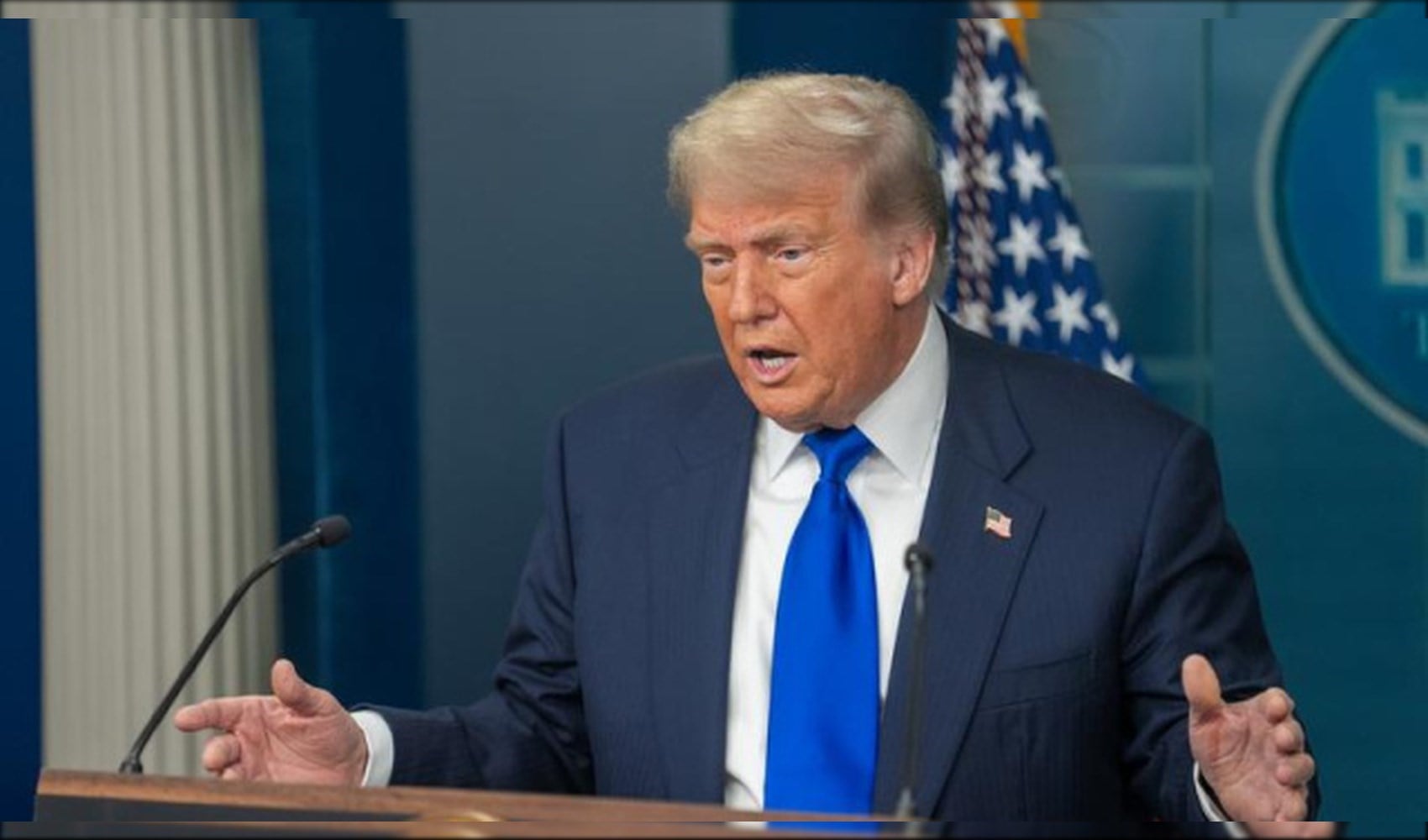
Trump's nuclear warning to Iran: They will never have a weapon
We are growing, but are we developing? Turkey's human capital reality
'Those outside the stage' and the despair in European democracy