Hilal Özdemir
We enter a dark theater with a group of strangers and silence our phones. Unaware of what kind of story we are about to watch on the big screen, we wait for the commercials to end. When the film is over, we leave the theater with expressions reflected on our faces from the shared experience we had with those people we don't even know.
With the entry of digital platforms into our lives, cinema culture is slowly disappearing. In the past, the grandeur of movie theaters, the magic of the film reflected on the screen, and the enticing smell of popcorn would excite us. Now, neither that screen nor the tickets that resemble store receipts evoke that feeling. Yet, despite all this, nothing beats the pleasure of watching a movie in a theater.
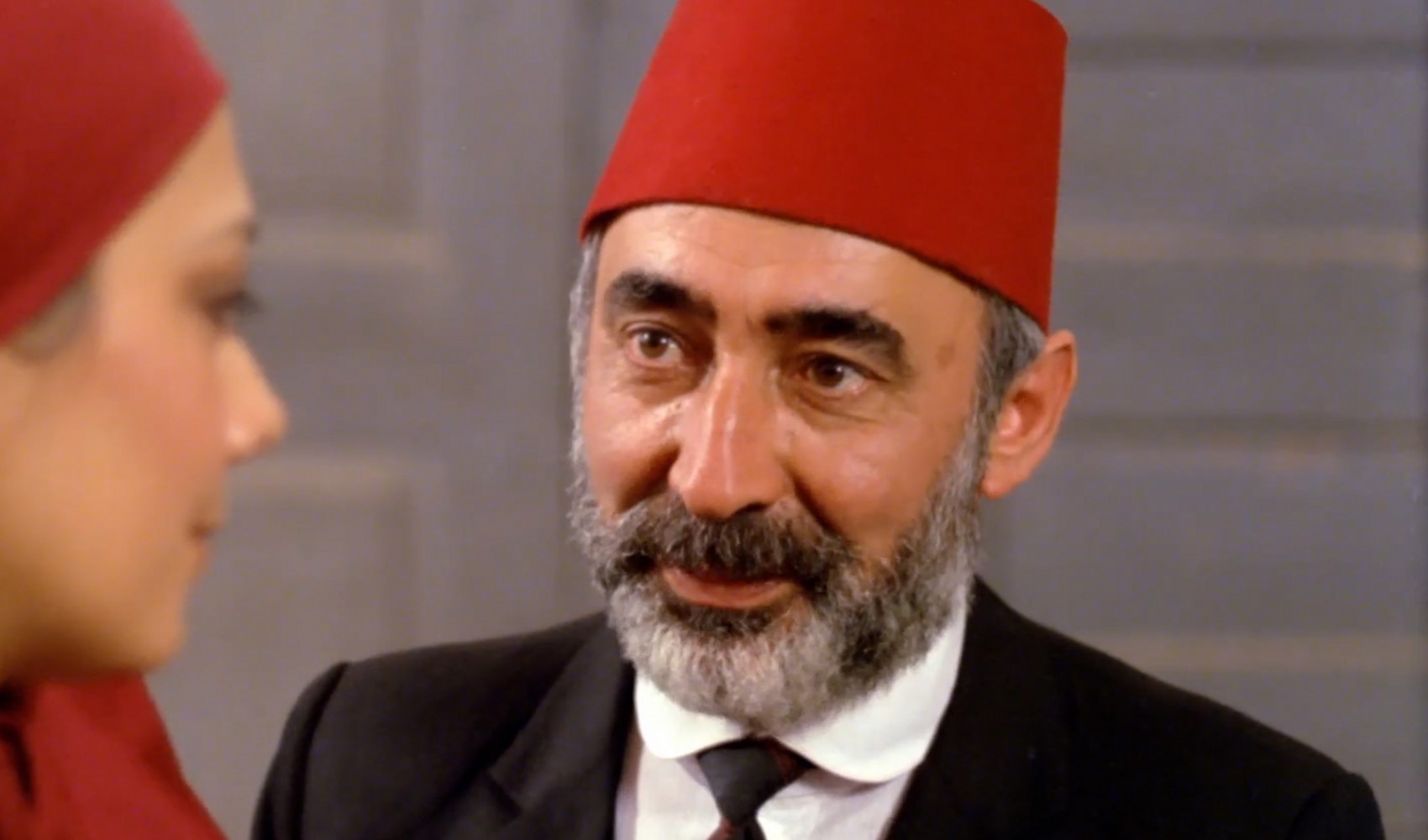
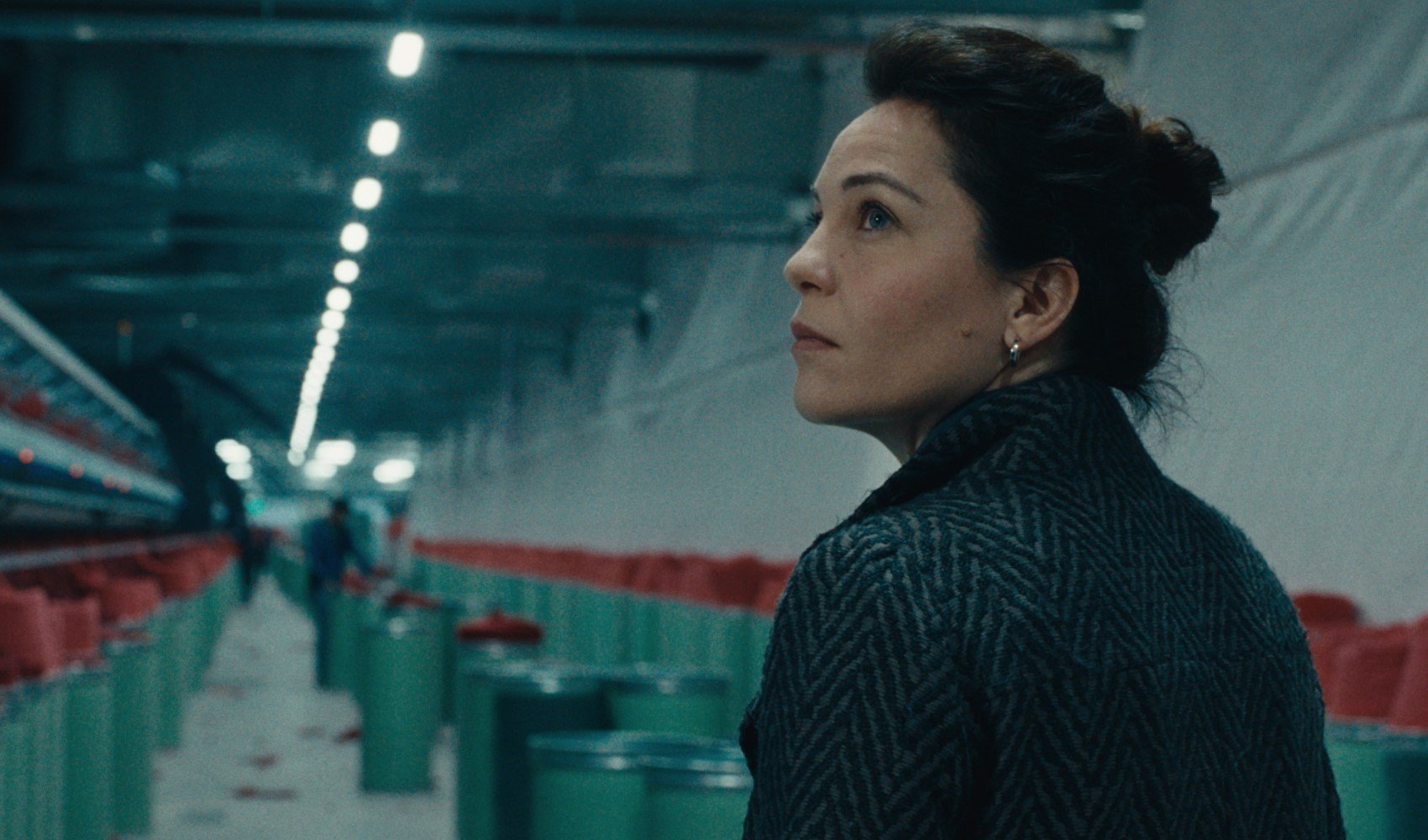
The film that drew me back to the cinema after a long break was 'Things You Kill' (Öldürdüğün Şeyler), starring Ekin Koç, Ercan Kesal, Erkan Kolçak Köstendil, and Hazar Ergüçlü.
The 2024 film is written and directed by Iranian-American director Alireza Khatami. A co-production of France, Poland, Canada, and Turkey, Things You Kill was filmed in Ankara and Niğde.
“Kill the lights…”
The film begins in the early morning with Ali (Ekin Koç) and his wife Hazar (Hazar Ergüçlü) chatting over coffee on the balcony. Hazar tells her husband about a dream she had that night. The birds chirping that accompany the morning give way to a harsh wind as Hazar says, 'your father was saying kill the lights in my dream.'
Ali: A text is a crime scene…
Ali, who teaches part-time literature at a university, talks about the origin of the word translation, mentioning its meaning of carrying something from one place to another.
He explains that a translator adds interpretation rather than carrying words one-to-one from one language to another. Every word translated from the original text kills the previous one with the meanings the translator adds to it. Thus, the sentence Ali coins, 'a text is a crime scene,' also gains meaning.
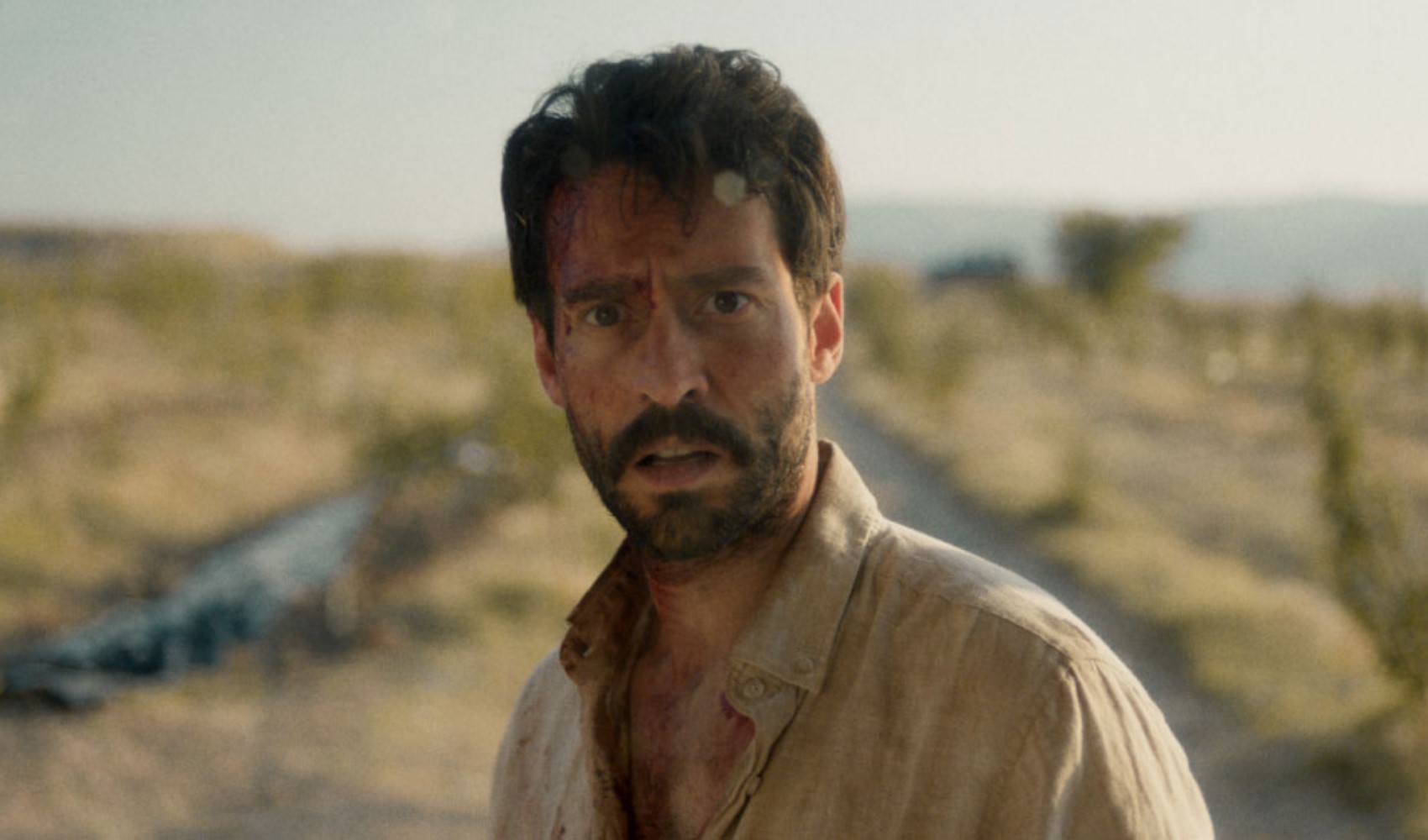
In the time he has left from school, Ali spends time in his garden, which he sees as an escape from all his troubles. His garden reflects Ali's life. There are trees, but no fruit. There is water, but not enough to make the plants flourish. Just like Ali's inability to have children in his marriage. While the uncertainty in his job, his mother's illness, and the stress of not being able to have children overwhelm Ali, the mysterious gardener Reza (Erkan Kolçak Köstendil) enters his life.
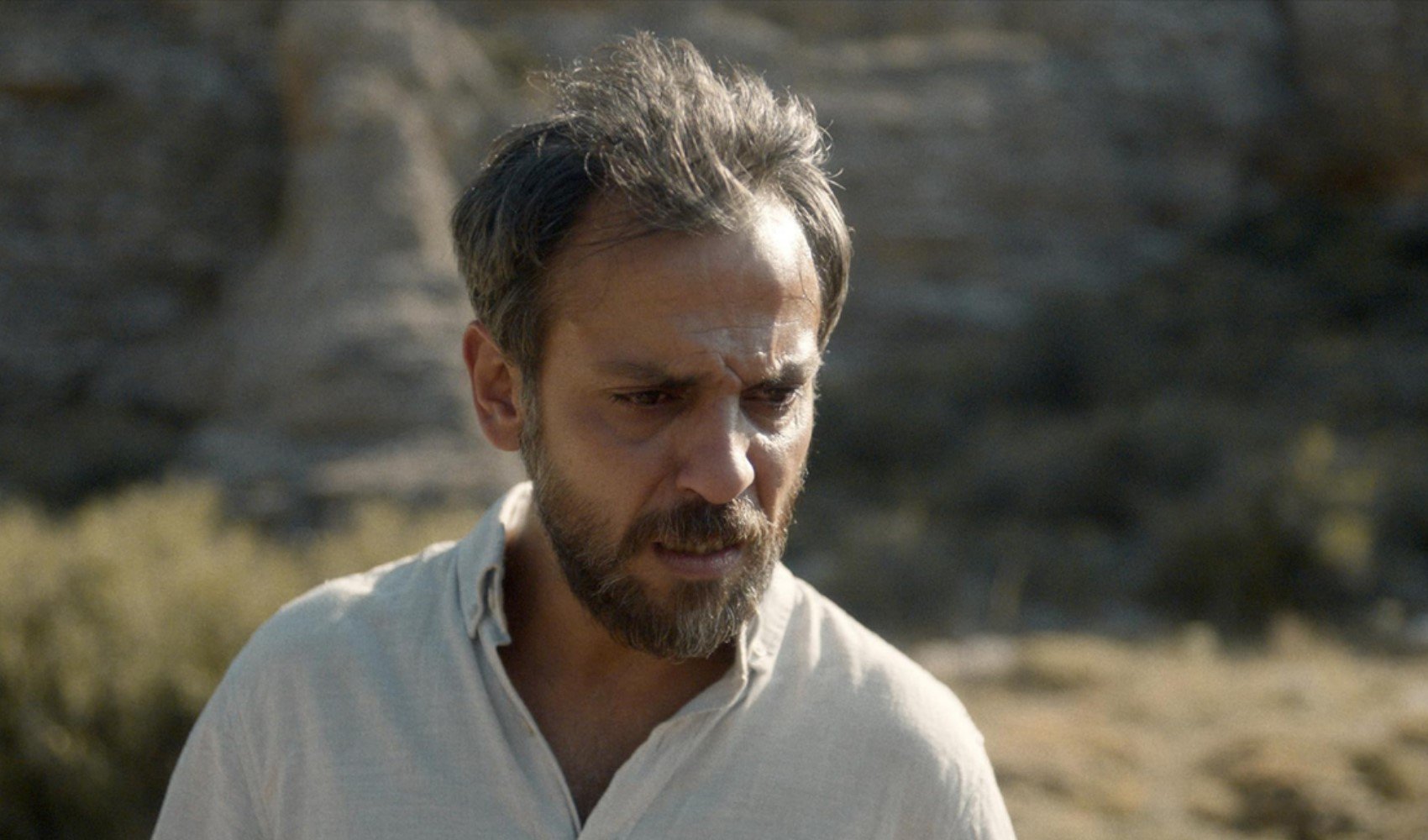
The conversation Ali and Reza have about good and evil over the dog in the garden is one of the film's important turning points. At this point, the foundation is laid for the personality Ali will adopt upon his mother's sudden death.
Ali holds his father responsible for his mother's death. Pursuing the suspicious death with Reza, Ali embarks on a difficult journey into his own inner world.
The relationship between Ali and his father evokes the Oedipus complex. While Ali has always been closer to his mother, he has been distant and in conflict with his father. When his mother dies, the gap between Ali and his father widens even further.
We mentioned at the beginning of the article that the film's director's name is Alireza. At this point, the fact that the gardener who enters Ali's life, whom no one else knows, is named Reza actually shows that they are two halves of the same apple.
Reza is the dark self that Ali suppresses within himself. Although he resembles Ali in appearance, Reza is someone completely different in character. Reza puts Ali in chains and acts with selfishness. However, Reza does not forget to feed the chained Ali from time to time.
While the first half of the film offers a classic narrative on town life, the patriarchal order, and the roles assigned to women, the second half increases the dose of tension and skillfully processes the personas of Ali, who drifts between reality and dreams.
One of the most important reasons why this successful story affects the audience so much is the performance of the actors. Ekin Koç and Erkan Kolçak Köstendil successfully reflect the opposite personas of the same person. Ercan Kesal skillfully reflects the father figure in Anatolia, the pressure on the male child, and the view of women.
The film is also quite impressive with its camera angles and editing. The transitions between scenes are edited so skillfully that they manage to make the audience uncomfortable in their seats. In the scene where Ali looks in the mirror and talks, the fourth wall is broken, and the audience suddenly faces themselves.
As the film nears its end, we see Ali lying in the fetal position on the floor in his mother's house. In this scene, Ali, who has gotten rid of his evil persona Reza, is like someone who has returned to the womb to be born again. Waking up to the sound of a pounding door, Ali sees his father in front of him. This time, his father lies down in the same place where Ali got up, and the film, which opened with the sentence 'kill the lights,' ends with the same sentence.
We mentioned that Ali, who teaches at the university in the film, talks about the meaning and etymological roots of the words translation and interpretation in his class. Interestingly, since director Alireza Khatami did not know Turkish while filming Things You Kill, Ekin Koç provided the communication between him and the actors. This is actually one of the most beautiful reflections of how film and real life are intertwined.
Things killed; light, father, mother, and ourselves… Most of all, our self.
I suggest you enjoy watching Things You Kill, which returned from the Sundance Film Festival held in Salt Lake City, Utah, with the 'Best Director' award, in the cinema while it is still in theaters.
News Source: 12punto