The Istanbul Planning Agency (IPA), affiliated with the Istanbul Metropolitan Municipality (IBB), has published a detailed report addressing Istanbul's earthquake preparedness process on the 25th anniversary of the Marmara earthquakes.
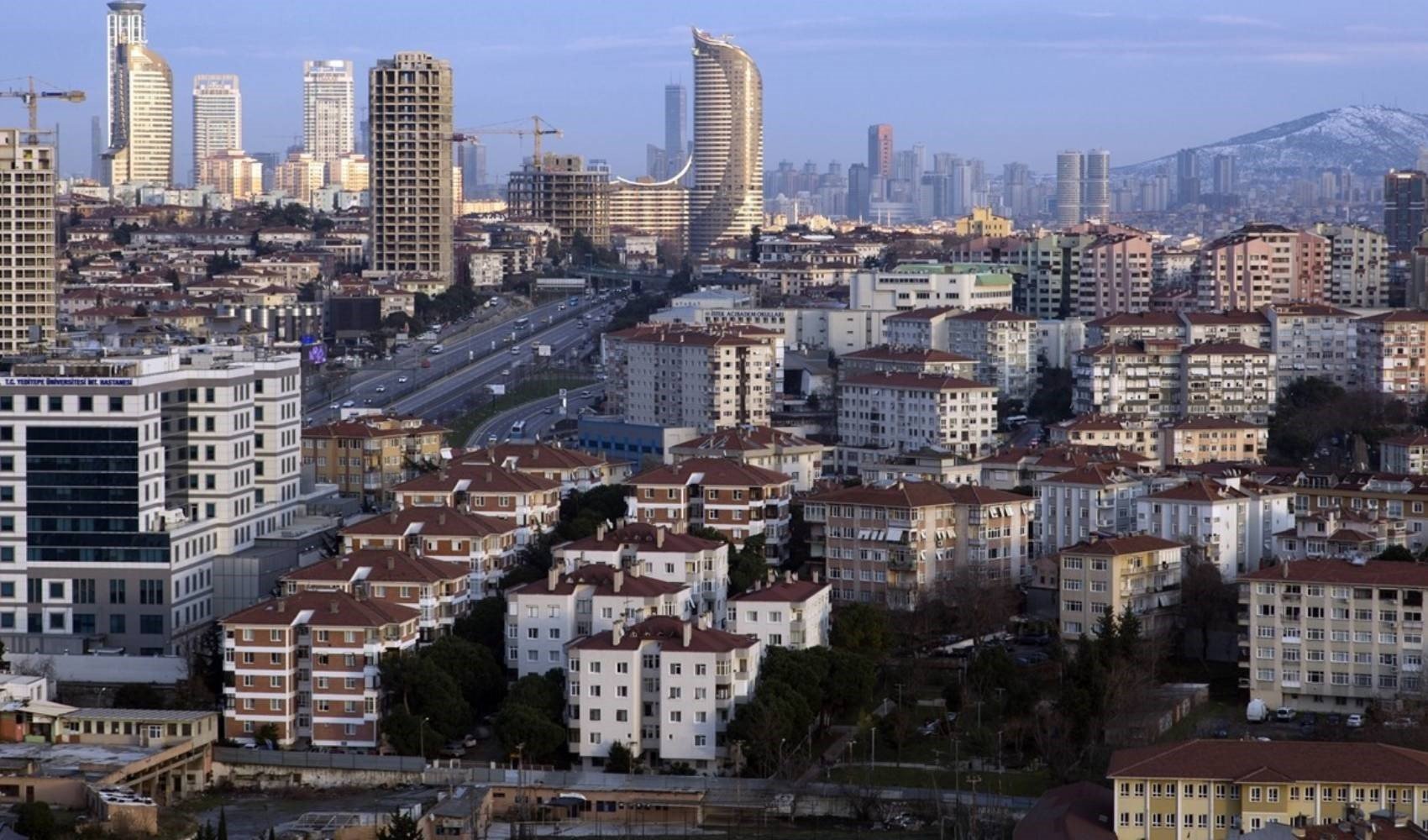
IPA President Dr. Buğra Gökce stated that 20 percent of buildings would suffer heavy damage in a 7.5-magnitude earthquake in Istanbul, pointing out that approximately 1.3 million of the 6.8 million residences are at risk.
Sharing the IPA's earthquake report on his social media account, Dr. Buğra Gökce indicated that the existing building stock in Istanbul is also at risk.
To access the full report, CLICK HERE
Quoting the findings in the report and sharing the steps that need to be taken regarding the earthquake, Gökce said:
"It is projected that 20% heavy damage will occur in the event of a 7.5-magnitude earthquake in Istanbul. Although the number of residences transformed over the years has increased, Istanbul remains in a very risky situation due to its existing building stock in a potential earthquake scenario.
The 1999 Marmara Earthquake was accepted as a milestone in Turkey's disaster management.
Despite this, practices such as the zoning amnesty were implemented. Structures that received a building registration certificate are under risk. The revenues obtained from the zoning amnesty were also not used in accordance with their purpose to increase the earthquake resistance of our building stock.
'REVENUES OBTAINED FROM TAXES WERE NOT USED TO IMPROVE THE BUILDING STOCK'
The revenues obtained from earthquake taxes that came into effect after the 1999 earthquake were also not used to improve the building stock in Turkey. With these taxes, 1.3 million residences of 96 m2 in size could have been built between 2003 and 2023.
After the Marmara Earthquakes, Law No. 4708 on Building Inspection was enacted in 2001 and building inspection organizations were established. According to the TMMOB report, unfortunately, building production and inspection processes remained on paper.
'TWO OUT OF EVERY THREE STRUCTURES DATE BACK TO BEFORE 2000'
In Istanbul, two out of every three structures were built before 2000. Approximately 1.3 million of the 6.8 million residences are at risk. Only one-fourth of the residences that needed to be transformed after the 1999 earthquake could be transformed.
It is possible to interpret the fact that total urban risks have not decreased sufficiently despite all the changes made and all the new structures built at the end of 25 years as the new structures being used for the transformation of areas with the highest rent value instead of the renewal of the most risky structures.
After the 1999 Marmara Earthquake, the concept of "Urban Transformation Zone" and Article 73 of the Municipal Law No. 5393, which were emptied of their content and used to evaluate urban rents, were joined over time by the concepts of "reserve area" and "risky area" within the scope of Law No. 6306 on the Transformation of Areas Under Disaster Risk. After 2010, with these concepts, military areas, green spaces, treasury and public lands were opened to zoning for upper-income group projects by creating new rent zones within the segments and regions that needed them. Following the February 6 earthquake experience, instead of preventing this abuse, the authority for reserve areas was expanded. The expansion of reserve area authorities and the establishment of a new institution for this purpose suggest that a path similar to the 1999 Marmara Earthquake is being followed.
What needs to be done is to address our cities in a total disaster and earthquake mobilization with a holistic view, and instead of rent and authority-oriented regulations, to renew our cities and building stock starting from the most disadvantaged regions and the most needy segments with a public-oriented perspective.
News Source: 12punto