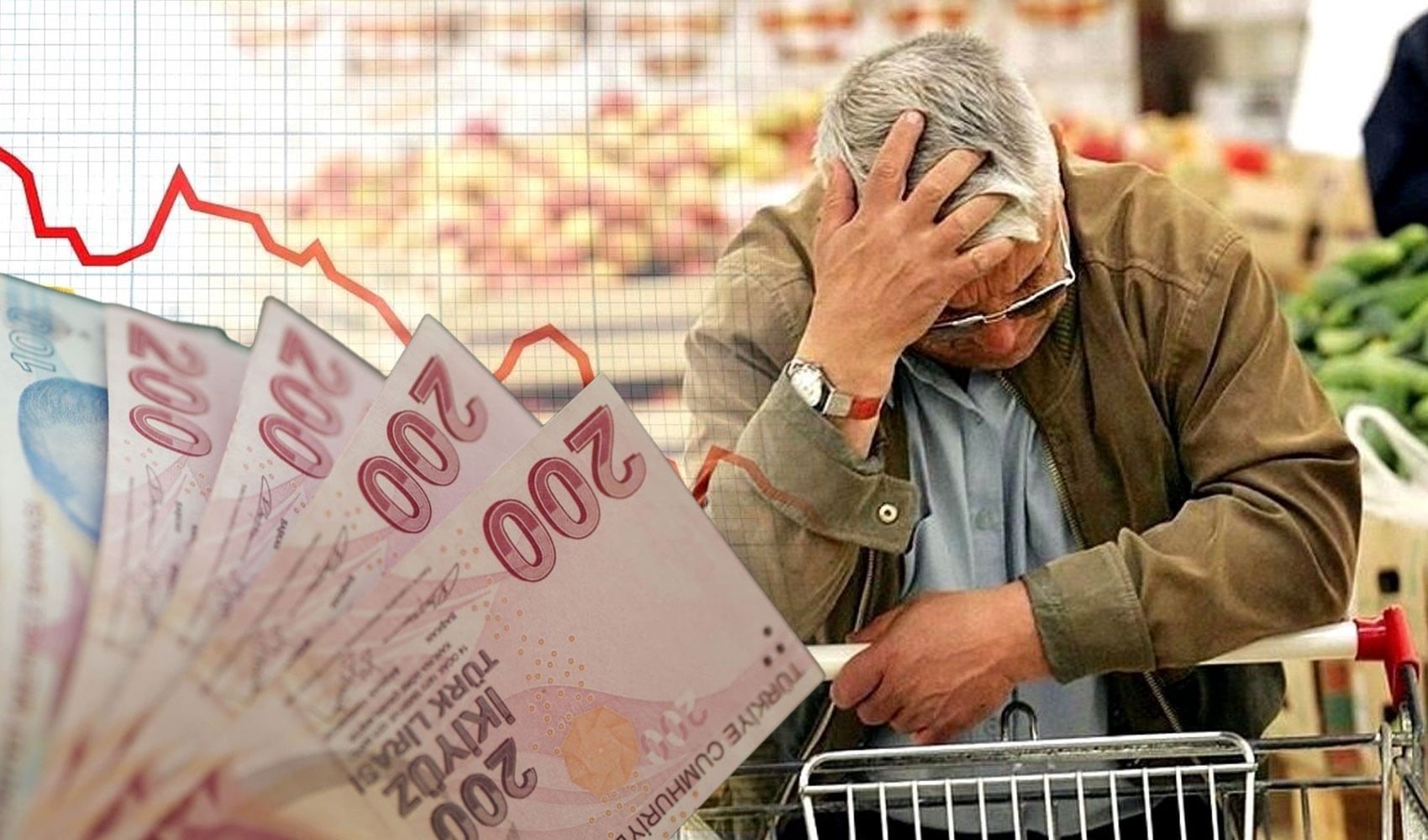
As cash flow and liquidity crunches persist in the real sector, rejection and bankruptcy decisions in concordat processes—which companies use as a financial protection tool—have increased significantly. The decisions made in the first 10 months of 2026 have exceeded the levels for the entirety of 2025 before the year has even concluded.
According to information compiled by Konkordatotakip.com from Press Advertising Agency (BİK) data, temporary grace period decisions issued by courts in the January-October period decreased by 28.8 percent compared to the same period last year. The number of temporary grace periods fell from 2,326 to 1,656.
Conversely, there was a sharp increase in decisions regarding the rejection of concordat requests. In the first 10 months of the year, decisions to reject concordats rose by 50.5 percent to 1,597. This figure was recorded as 1,460 for the entirety of 2025.
The picture has also worsened for companies whose protection process was lifted or that could not recover their financial balance. According to the data, direct bankruptcy rulings were issued for 249 companies in the January-October period of 2026. The number of bankruptcies, which was 247 for all of last year, has been exceeded as of the end of October.
CONSTRUCTION AND TEXTILES STAND OUT
The construction sector ranked first in the sectoral distribution of concordat decisions. Of the companies that received a temporary grace period in the first 10 months of the year, 121 were from the construction sector and 71 were from the textile sector.
When clothing, footwear, yarn, and leather manufacturing are also taken into account, the total number of concordats in the textile and ready-to-wear sector reached 119. Following construction and textiles, other sectors where risk is concentrated include metal product manufacturing, and the agriculture and food industry with 63 files.
Despite the decline in temporary grace period decisions, the increase in rejection and bankruptcy rulings indicates that courts and commissioner boards are evaluating applications more strictly. It is noted that companies with weak debt repayment capacity are finding it difficult to benefit from concordat protection.
News Source: 12punto