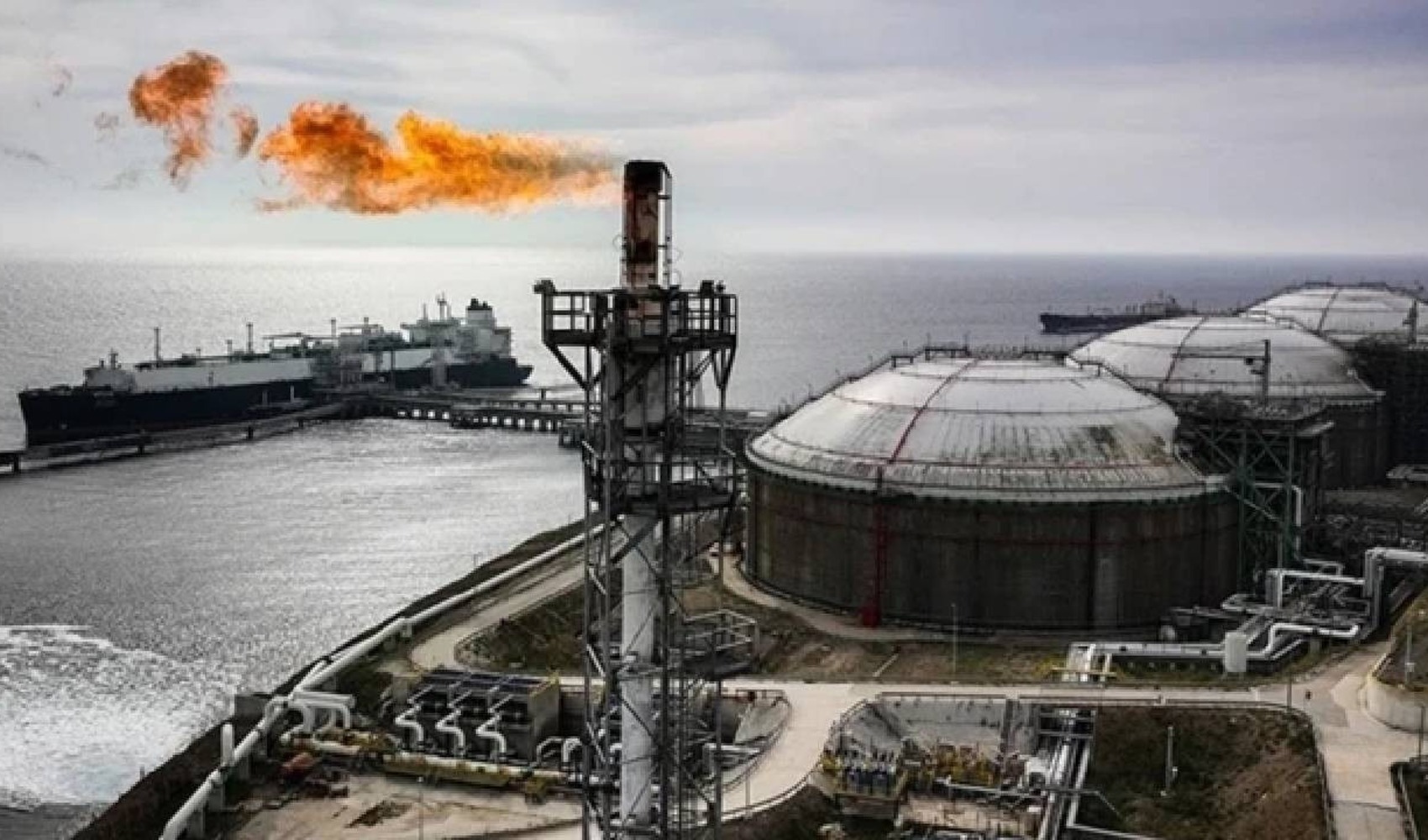
Expectations for the winter months in the global LNG market have become a critical issue for Europe's natural gas supply. While temperatures in East Asia are expected to remain above seasonal norms during the December-March period, this situation could limit gas demand for heating in the region.
According to assessments reported by Reuters, a strong El Niño weather pattern could lead to warmer and wetter conditions across a significant portion of Asia. Temperatures in Japan, South Korea, Taiwan, and northern China are projected to be approximately 3 degrees above average.

A decrease in heating demand in East Asia could reduce the amount of LNG that needs to be purchased from the spot market. According to experts, even a limited decline in demand in Northeast Asia could allow several million tons of LNG to be diverted to other buyers. This scenario could be a relief for European countries that compete with Asian buyers for LNG cargoes during the winter months.
ASIAN DEMAND COULD DETERMINE THE MARKET'S DIRECTION
China, Japan, South Korea, and Taiwan have accounted for approximately 55 percent of global LNG imports since 2016. This share is seen to increase significantly during cold winter periods. The region's share of global imports rose to 68 percent in the first quarter of 2018 and 63 percent in the first quarter of 2021.
During the cold wave in the first quarter of 2021, East Asia's LNG imports exceeded 61 million tons, rising 23 percent above the average. In milder winters, imports in the fourth and first quarters are reported to remain at around 55 million tons on average. This picture shows how influential changes in weather conditions can be on global LNG trade.
Not only demand but also developments on the supply side are putting pressure on pricing in the market. It is reported that Qatar's LNG exports decreased by 65 percent in the first nine months of 2026 compared to the same period last year, with the drop in shipments amounting to approximately 40 million tons. In the same period, US LNG exports increased by 22 percent in the first part of the year, reaching a record level.
Prices also reflect this tightness. LNG prices in Asia have averaged 19.15 dollars/MMBtu so far in 2026, which is 58 percent above the 2025 average. Meanwhile, natural gas prices in Europe, centered in the Netherlands, have risen to approximately 18.06 dollars/MMBtu, a 51 percent increase compared to the 2025 average.
The occupancy rate of natural gas storage facilities in the European Union is at approximately 75 percent. This rate is below the average of approximately 91 percent seen during the same period of the year since 2020. Although net gas injection into storage has recently risen above the levels seen in the same periods of 2024 and 2025, the fact that stocks remain low compared to previous years keeps pre-winter concerns alive.
If the expected mild weather in East Asia occurs, Europe's access to spot LNG cargoes could become easier, and storage operators could accelerate the stock replenishment process. However, the final picture will depend on the accuracy of weather forecasts, the adequacy of global supply, and Europe's capacity to fill its storage facilities.
News Source: 12punto