As November approaches, the possibility of new hikes in fuel prices has come to the agenda. If the SCT increase, which is projected to take effect on November 1, is directly reflected at the pump, a tax-driven increase of 3.60 TL per liter for diesel and approximately 4.15 TL for gasoline is expected.
Economist Mahmut Aydoğmuş pointed out that not only the SCT regulation but also potential movements in exchange rates and oil prices are creating pressure on fuel prices. According to Aydoğmuş, if the tax increase is finalized, the initial impact will be seen in pump prices; however, the course of the exchange rate and Brent crude oil could further amplify this effect.
THREE SOURCES OF PRICE PRESSURE
According to the calculations, increasing the SCT on diesel, which is currently 6 TL per liter, to 9 TL means a 3 TL tax increase. When the 20 percent VAT effect is added, this increase is expected to reflect at the pump as 3.60 TL. For 95-octane gasoline, if the SCT, which is 8.90 TL, is raised to 12.36 TL, the price impact including VAT will be approximately 4.15 TL.
The second risk pointed out by Aydoğmuş is the exchange rate. If the monthly rate of increase in the dollar exchange rate continues in November, a scenario where the rate could reach the 50.71 TL level by the end of the month is being evaluated. Since Turkey meets a significant portion of its oil needs through imports, it is stated that even if Brent crude oil does not change, the exchange rate increase could create an additional cost of approximately 2.50 TL per liter.
The third topic is oil prices. It is stated that if geopolitical tensions in the Middle East escalate again, the upward movement in Brent crude oil could accelerate. Drawing attention to the difference between the Brent futures price and the spot price in the physical market, Aydoğmuş emphasized that in the event of a possible supply risk, oil prices could turn into a serious energy cost shock for Turkey.
When the calculations based on taxes and exchange rates are evaluated together, it is stated that a total price pressure of approximately 6 TL for diesel and 6.55 TL for gasoline could emerge. It is stated that if there is an additional rise in oil prices, this picture could become even more severe.
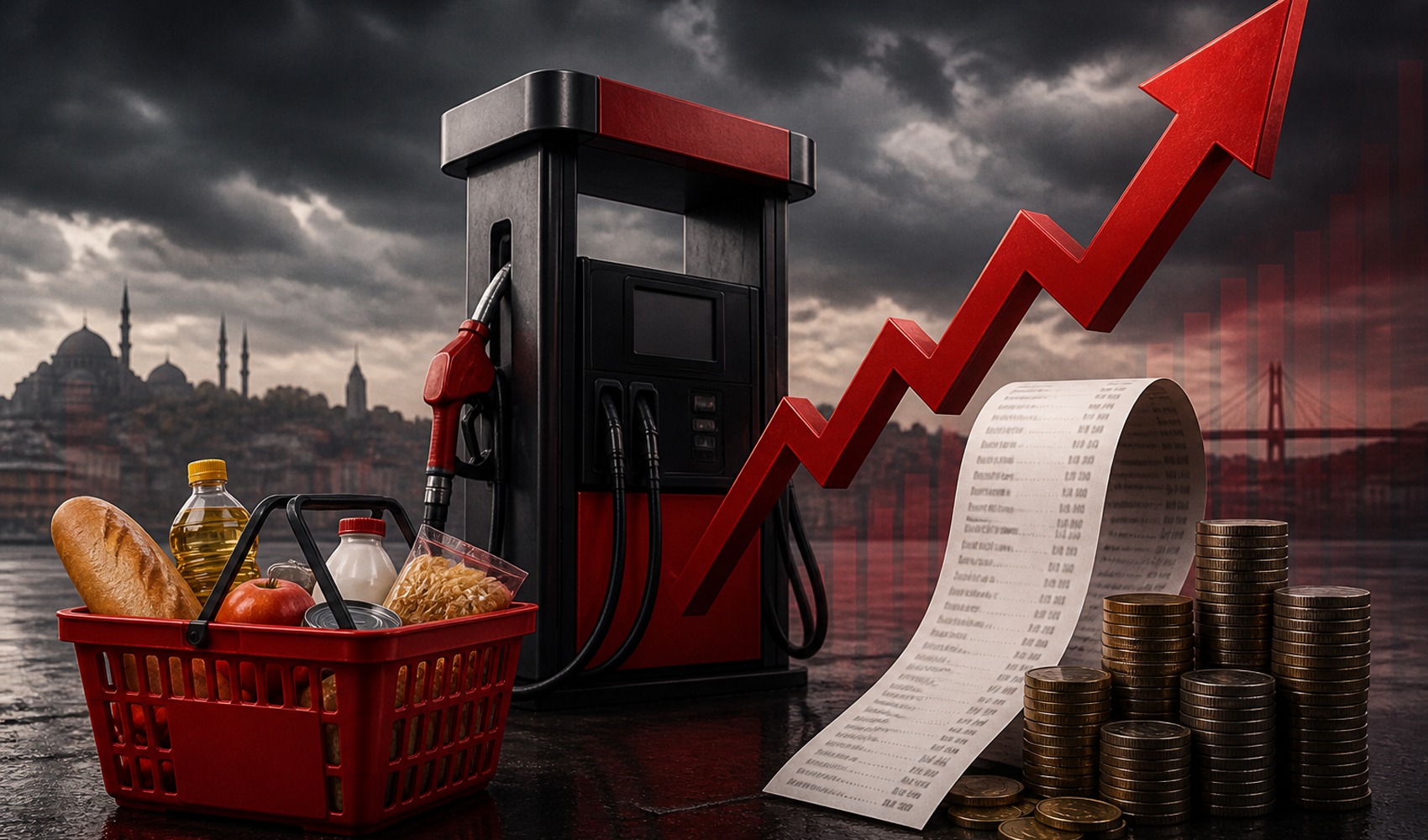
The increase in fuel prices does not only reflect on the tanks of vehicle owners. Costs can spread over a wide area through transportation, agriculture, industrial production, and the food chain. For this reason, possible price movements in November carry the risk of creating new pressure on inflation through energy costs.
News Source: 12punto