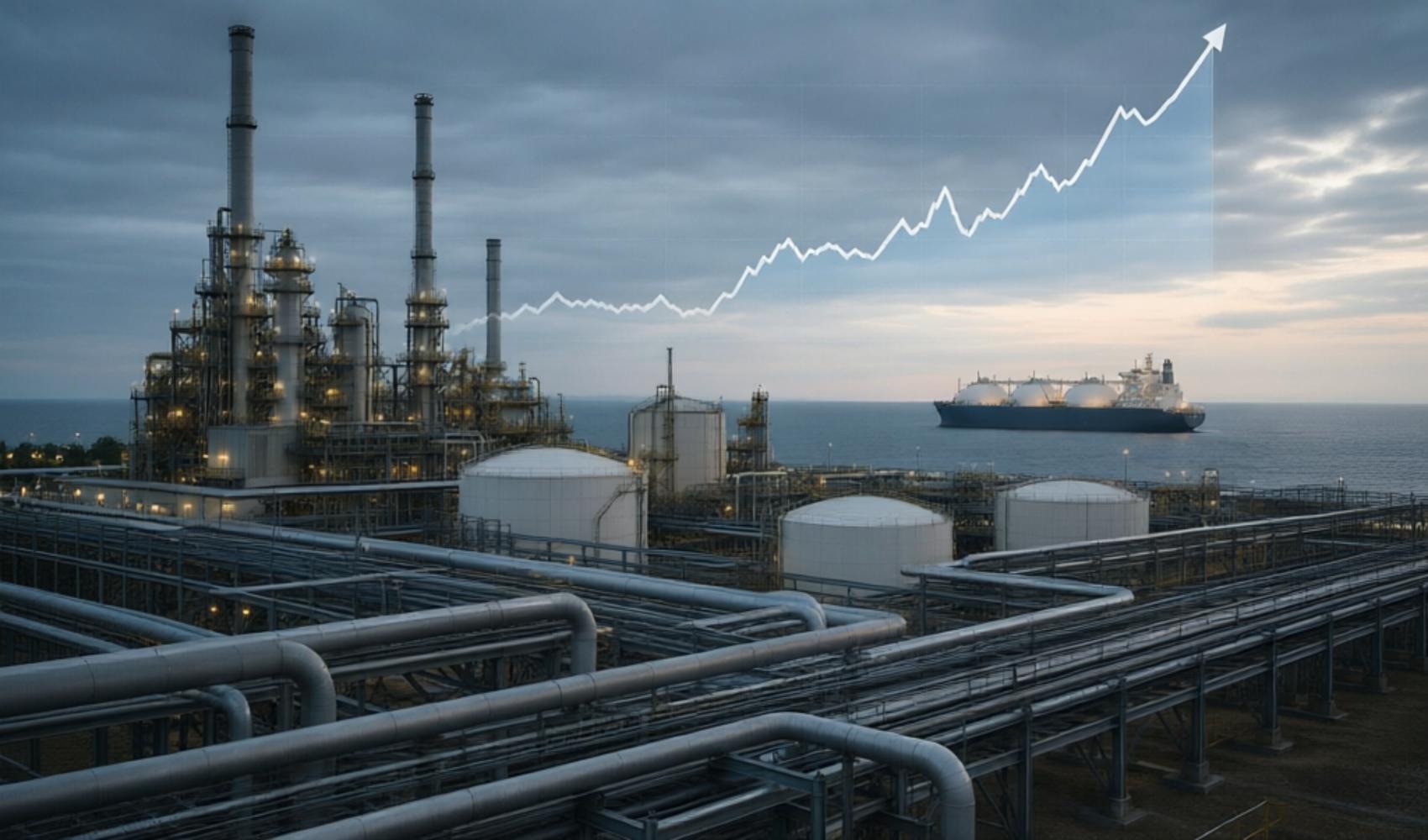
Prices in the European natural gas market have turned upward again as rising tensions in the Middle East increase risks to energy transport. Following new US airstrikes on Iran in response to ship attacks in the Strait of Hormuz, benchmark natural gas futures contracts gained approximately 10 percent in value after the market opened.
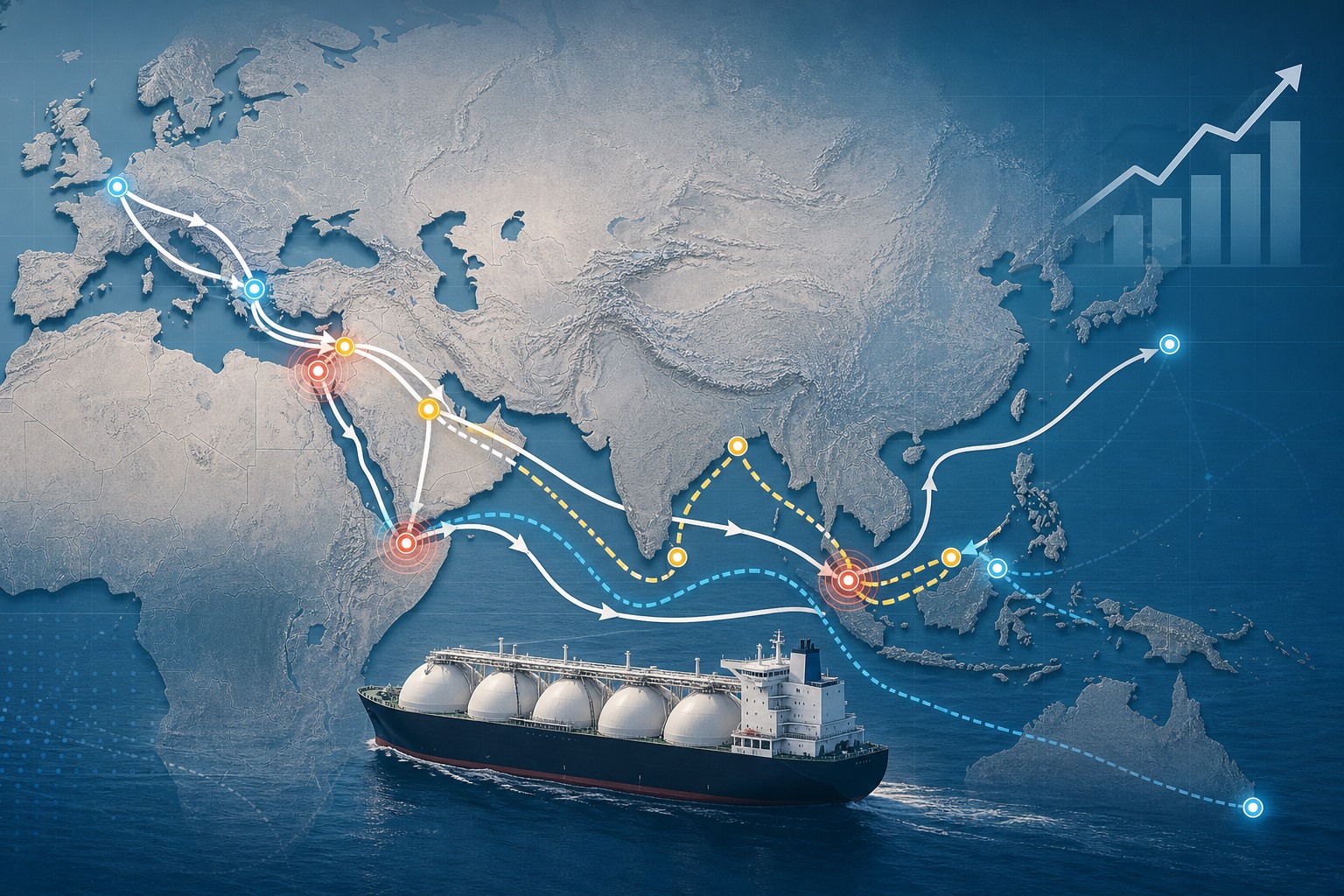
The latest developments come at a time when liquefied natural gas tankers are largely avoiding the Strait of Hormuz. The US strikes and the threat of retaliation from Iran have increased uncertainty regarding both the future of peace talks and the security of the waterway, which is critical for global energy trade.
Qatar, the Middle East's largest LNG producer, had been signaling in recent weeks that it could rapidly ramp up exports. However, the renewed escalation of tensions has weakened these expectations. Meanwhile, as Europe tries to fill its gas storage facilities ahead of winter, it is going through a period where hot weather is increasing demand and competition with Asia for limited maritime shipments is intensifying.
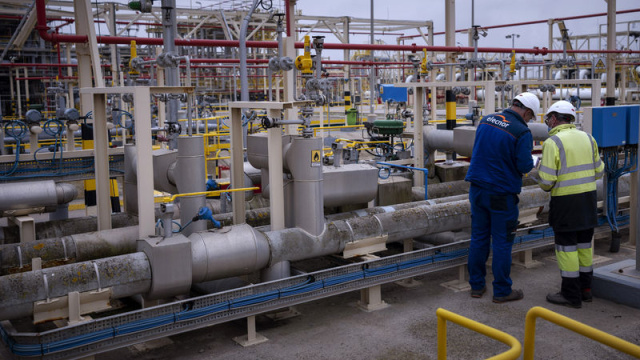
ING Groep NV strategists Warren Patterson and Ewa Manthey stated that Asia has been turning more to the spot market due to supply disruptions in the Middle East, which has reduced Europe's LNG imports. According to the strategists, the recent escalation of tensions reinforces concerns about supply tightness as the European heating season approaches.
Europe's underground gas storage facilities are at approximately 51 percent capacity. This rate has been recorded as the lowest seasonal level in the last five years. While the continent's LNG imports decreased by 18 percent year-on-year in June, the decline has continued to accelerate for three months.
According to a report by the European Union's energy regulatory body, injections into storage facilities are tracking below both the 10-year summer average and last year's levels. The report emphasized that the 80 percent occupancy target is still achievable, but that this would require LNG imports to return to last year's levels.
The Dutch front-month futures, one of the benchmark indicators for the European gas market, traded at 48.27 euros per megawatt-hour.
News Source: 12punto