

New York stock market closes the day with losses
Major indices on Wall Street retreated. The rise in oil prices and the increase in bond yields limited risk appetite.



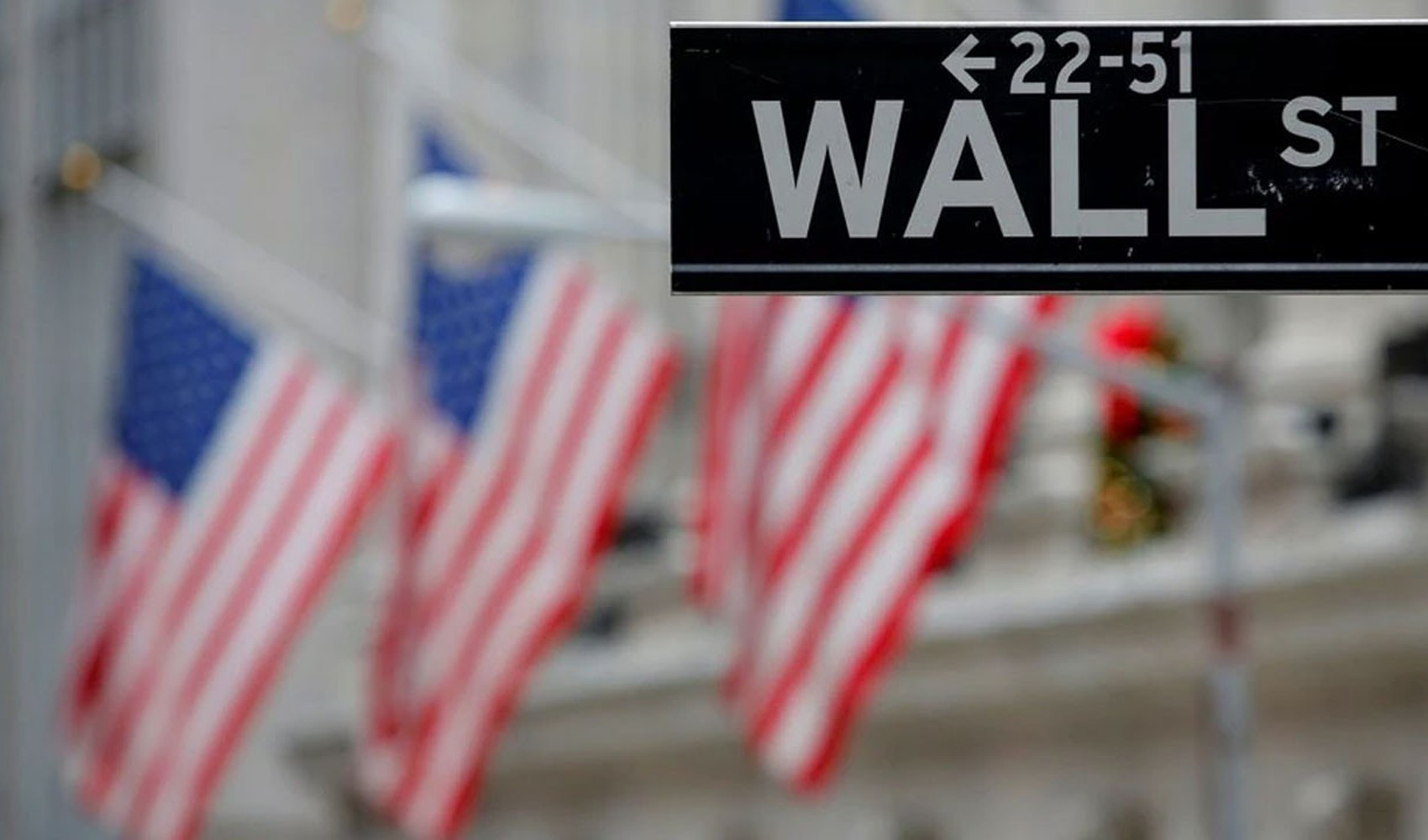
The New York stock market closed the day with losses as the recovery in US Treasury bonds reversed and the rise in oil prices brought inflation concerns back to the forefront.
At the close, the Dow Jones index fell 1.32 percent to 52,759.21 points. The S&P 500 index dropped 0.87 percent to 7,641.16 points, and the Nasdaq index declined 1 percent to 26,067.17 points.
While developments originating from the Middle East were closely monitored in the markets, US President Donald Trump's announcement of an "economic operation" against Iran affected risk perception. Trump described the move as "economic warfare and isolation on an unprecedented scale."
Trump also stated that countries providing any "lifeline" to Iran through financial institutions, companies, airports, or state agencies could face "enormous economic consequences."
OIL AND BOND YIELDS INCREASED PRESSURE
Analysts noted that the new measures targeting the Iranian economy weakened expectations that tensions between Washington and Tehran could decrease in the short term. With these developments, the rise in oil prices continued; the futures price of a barrel of Brent crude rose 2 percent to 93.40 dollars as of 23:20 TSI.
The rise in oil prices bringing inflation risks back to the agenda also increased selling pressure in the bond market. The yield on the 10-year US Treasury bond rose 5 basis points to 4.70 percent, and the 30-year bond yield increased by 5 basis points to 5.25 percent.
A decline in bond yields had been observed after the US Treasury Department announced that it would at least double the size of its long-term bond buyback operations. However, oil prices and geopolitical risks made it difficult for this recovery to be permanent.
US Treasury Secretary Scott Bessent stated in an interview that the volume of bond buybacks could exceed 4 billion dollars per issuance. Regarding the Iran agenda, Bessent also said that they would implement the heaviest sanctions in history and "collapse Iran."
On the macroeconomic data side, the number of people filing for unemployment benefits for the first time in the US decreased by 6 thousand to 206 thousand in the week ending August 15, remaining below market expectations.
Messages from Fed officials were also in the focus of investors. San Francisco Fed President Mary Daly stated that she did not see strong evidence that a preemptive interest rate hike was an urgent need. St. Louis Fed President Alberto Musalem said that gradual interest rate hikes were preferable compared to larger and sudden steps later.
Emphasizing that his decision at the monetary policy meeting to be held in September would be data-dependent, Musalem said, "I want to enter every meeting with an open-minded approach."
News Source: 12punto
Most Read

A message of apology from Serkan Bayram to Erdoğan

135 million TL money traffic in referee Yasin Kol's accounts

Striking post from Talisca after leaving Fenerbahçe!

Vahap Seçer's statement process has begun

Winners of the 2026 Nobel Prize in Medicine announced

Another body recovered from the sunken ship

The “Peace” intoxication!..

Different names, same surnames: The brotherhood of funds

The path to practicing medicine is also closed for Fatma Betül Sayan Kaya

13-year-old wrestler passes away