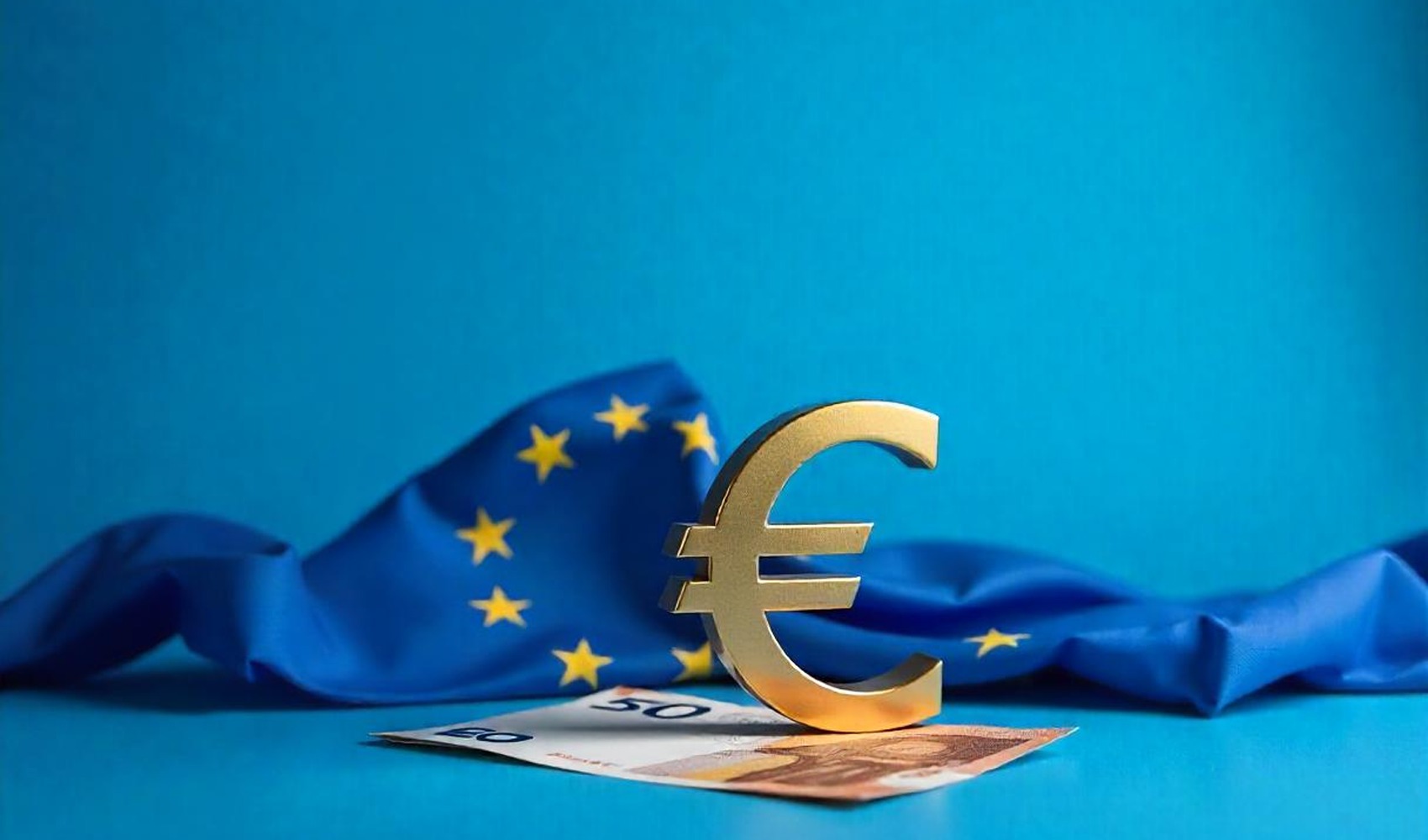
Negotiations for the European Union's new budget, covering the 2028-2034 period, have made the financial and political divisions among member states more visible. As Germany's demand for sharper cuts in the distribution of trillions of euros in resources combines with issues such as agricultural subsidies, defense spending, and joint borrowing, the negotiations have entered a more difficult phase.
Berlin did not find the compromise proposal, which emerged after the first round of negotiations and included some cuts, to be sufficient. It is reported that German Chancellor Friedrich Merz is seeking several hundred billion euros in deeper cuts. At the latest EU summit, Merz defined his priority as "competitiveness and defense."
However, the current search for a compromise also envisions cuts in the competitiveness and defense items that Germany prioritizes, while largely protecting European agricultural subsidies. This situation is increasing tension between countries seeking savings in the budget and the bloc advocating for agricultural and social cohesion spending.
MEMBER STATES IN SEPARATE CAMPS
The group of "frugal" countries, which includes Germany, Denmark, the Netherlands, Austria, and Finland, is pushing for a reduction in the EU budget. However, Austria and Finland are not keen on cuts to agricultural subsidies. A group of 17 countries, including Italy, Spain, and Poland, is advocating for the protection of social cohesion spending and keeping the agricultural budget at the highest possible level.
France is following a two-pronged approach: while the Paris administration refuses to contribute more to the EU budget, it wants comprehensive agricultural support to continue. Agricultural subsidies are among the sensitive topics for France, Spain, Italy, and Poland, particularly due to their election calendars. The fact that elections will be held in these countries within the next 12 months is narrowing the room for maneuver for governments.
It is reported that Marine Le Pen, the presidential candidate of the National Rally (RN) in France, wants the EU budget negotiations to be concluded after the elections in France, Italy, Poland, and Spain. Berlin, on the contrary, aims for the budget to be adopted before the presidential campaign in France begins. For this reason, Germany is pushing for the talks to be completed by the end of the year; a new round of negotiations is expected in November.
DEBT AND INTEREST BURDEN AT THE CENTER OF BARGAINING
In the background of the budget debate are the rise in global public debt and increasing interest rates. IMF Chief Economist Rodrigo Valadés warned that global public debt could exceed 100 percent of world economic output by 2030. According to IMF assessments, Germany is in a more favorable position compared to many large industrialized countries in terms of indebtedness: while Germany's debt is at 63.5 percent of its GDP, this ratio is reported as 116 percent in France, 100 percent in the US, and 94 percent in the United Kingdom.
Nevertheless, the IMF warns against Germany financing its increasing defense spending with new loans. The change in interest rate conditions since 2022 has increased the risk of rolling over old low-interest debt with more expensive new loans. This picture also brings the EU's joint borrowing topics to the center of budget negotiations.
In the 2028-2034 budget, approximately 150 billion euros have been allocated for the repayment and interest of the COVID-19 Recovery Fund debt. The Recovery Fund debts must be cleared by 2058. While countries such as Italy, Spain, Poland, and France want the repayment period extended, Germany opposes the restructuring of joint debt. This stance by Berlin could make the COVID-19 debt topic a significant bargaining chip in the budget negotiations.
The new budget envisions higher spending for defense, border security, migration control, industrial policy, aid to Ukraine, and agricultural support. While 131 billion euros have been allocated for defense and space programs alone, the European Commission is also proposing two new credit instruments. It is planned to create a credit capacity of up to 150 billion euros with "Catalyst Europe" and up to 395 billion euros with a crisis mechanism. Together, these two instruments mean an additional borrowing opportunity of up to 545 billion euros.
News Source: 12punto