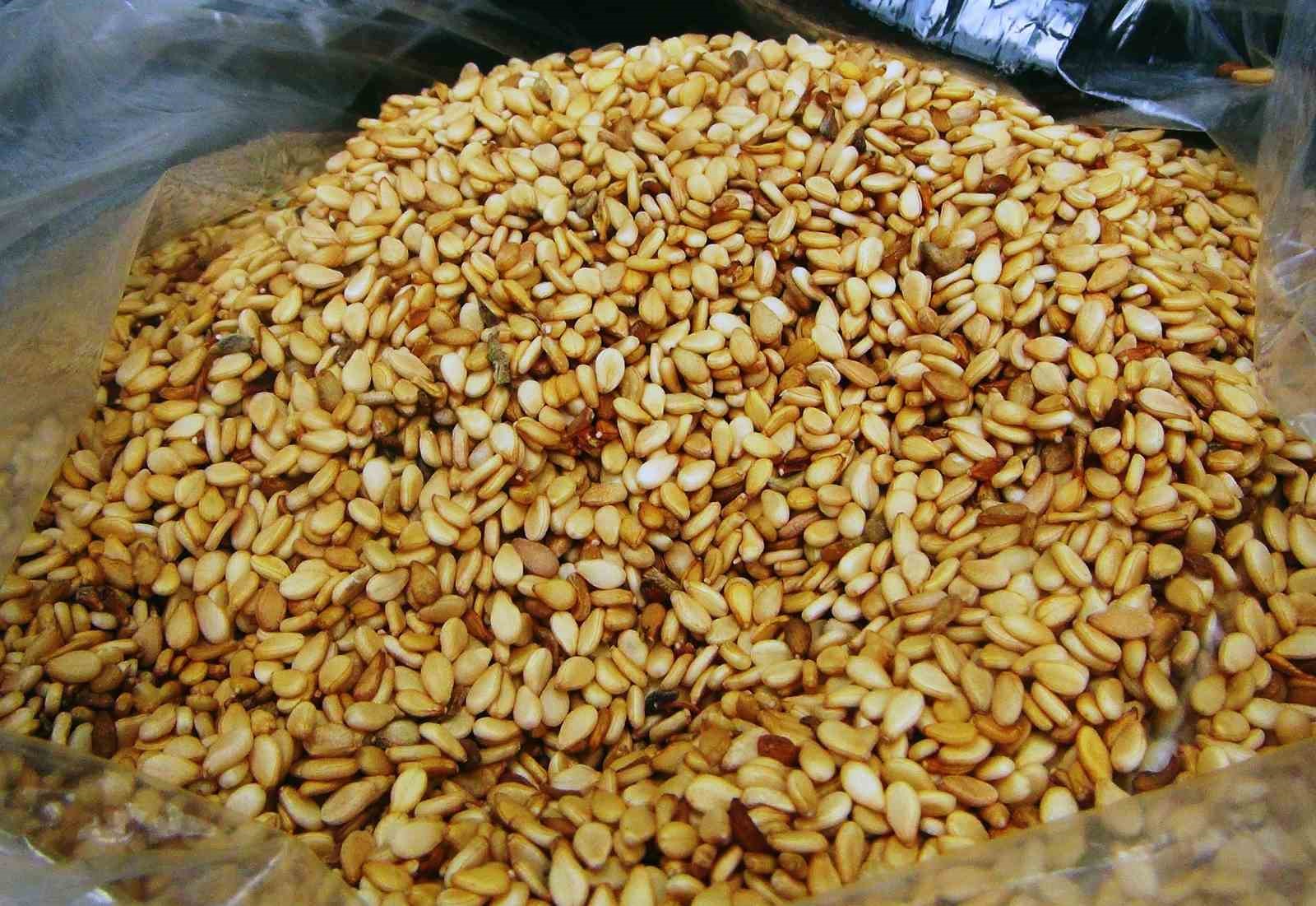
The harvest season has begun in the Ula district of Muğla for Gökova sesame, known for its unique aroma and for being grown without irrigation. The golden-yellow sesame produced in the fields of the Akçapınar and Akyaka neighborhoods continues to be one of the important sources of income for regional producers.
The region's climatic conditions are decisive in the flavor of the product grown in agricultural lands around the Gulf of Gökova. According to producers, Gökova's wind, the moisture coming from the sea, and the salty air differentiate the aroma and scent of the sesame.
PREPARED WITH TRADITIONAL METHODS
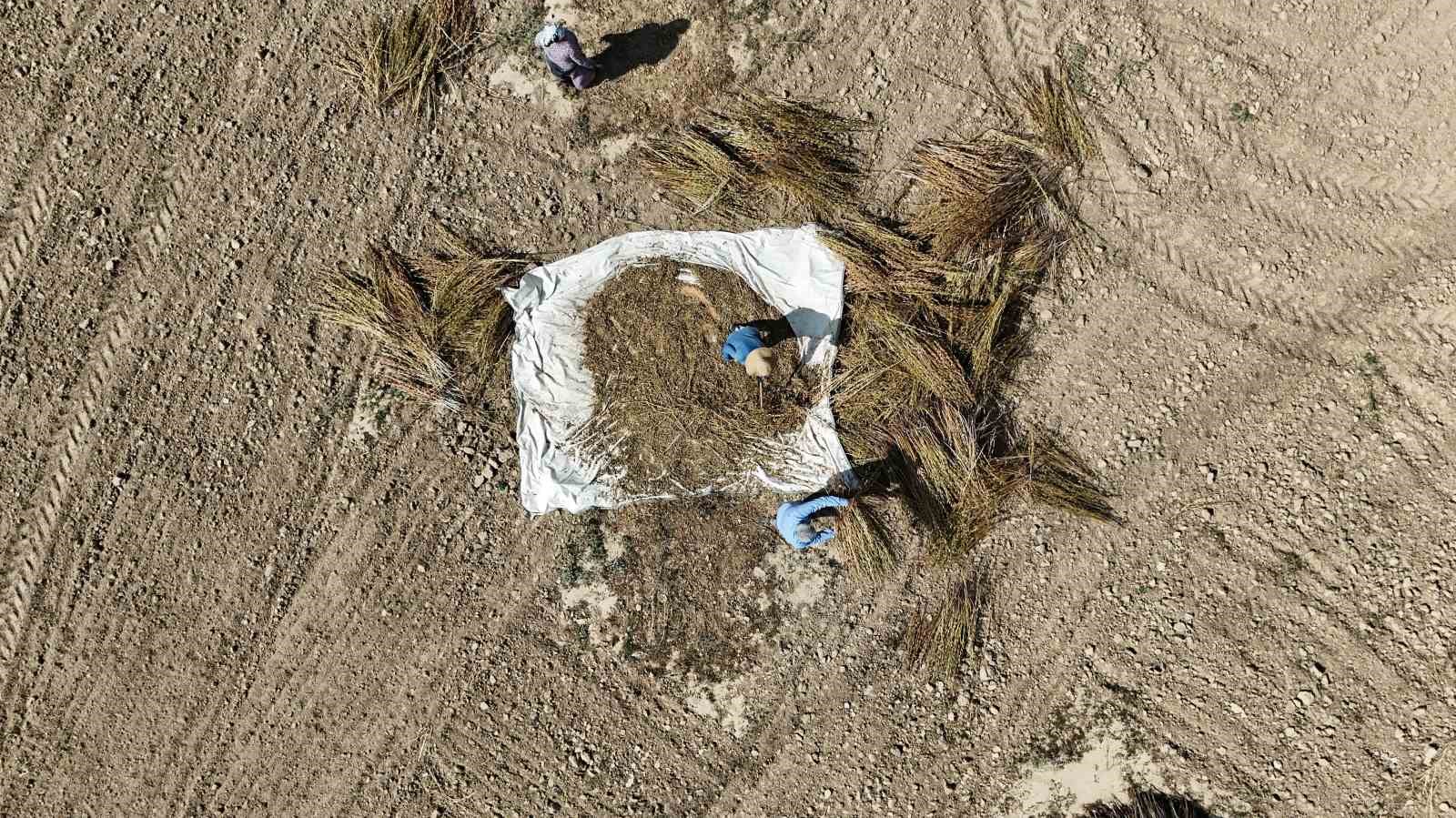
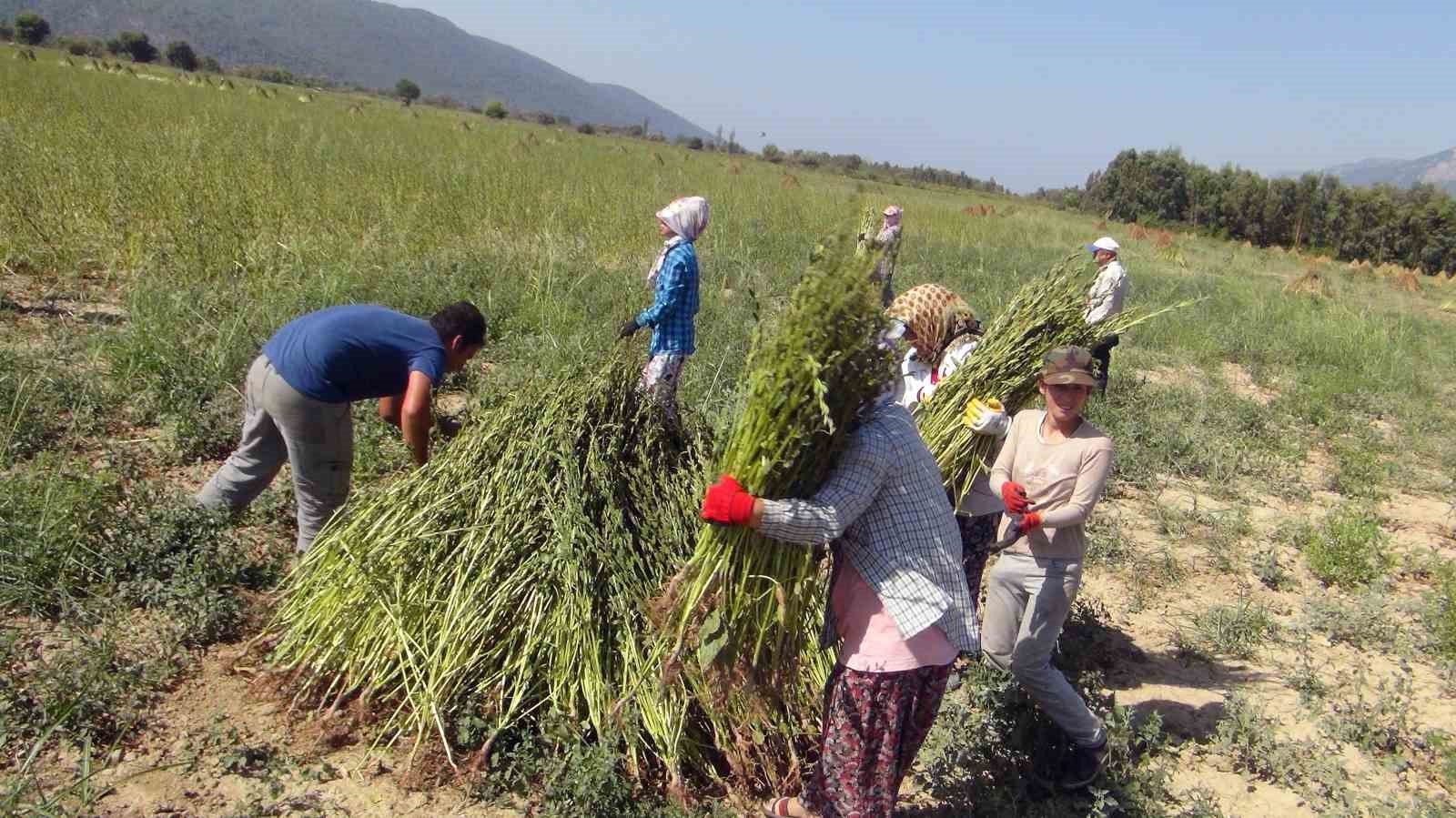
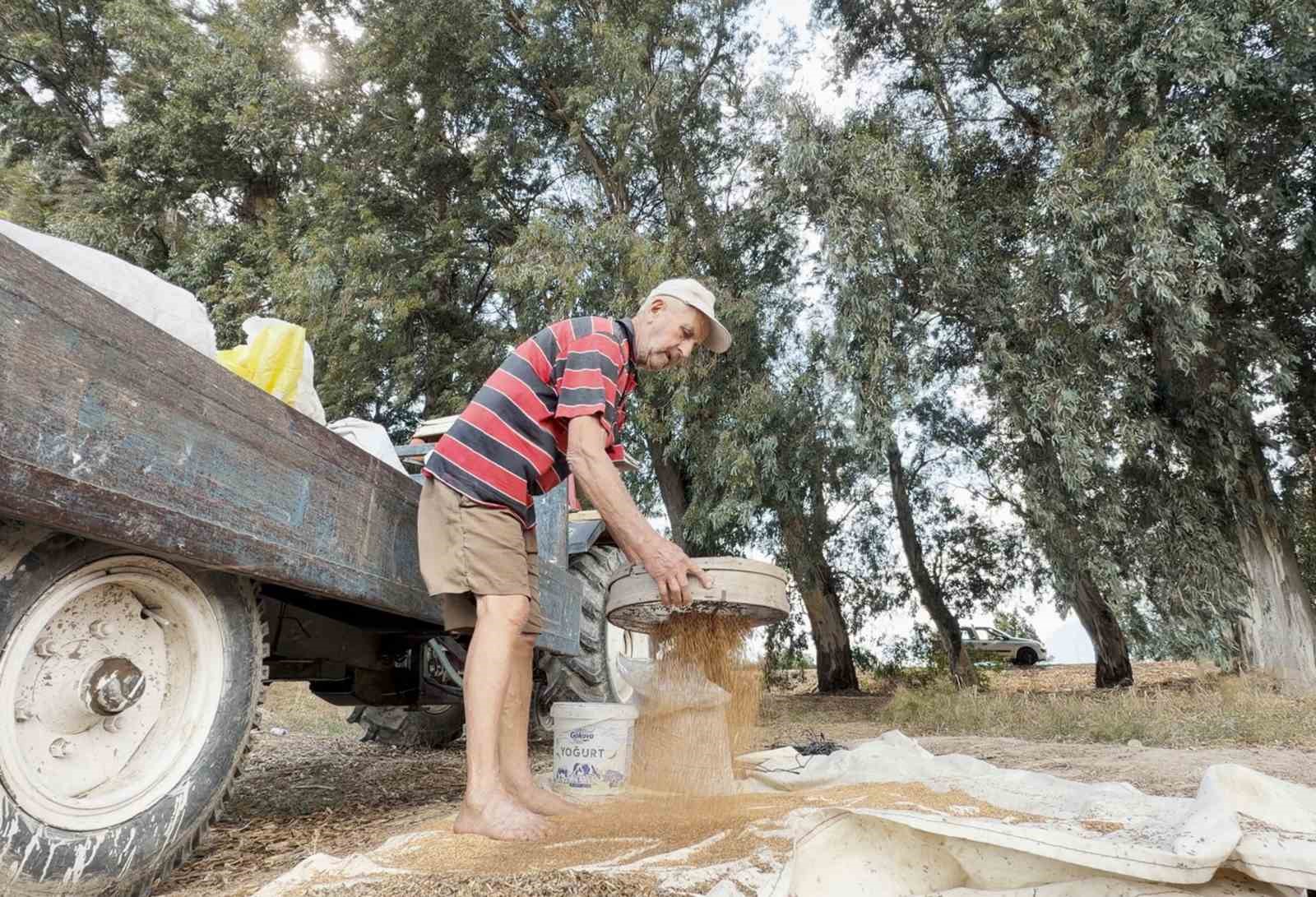
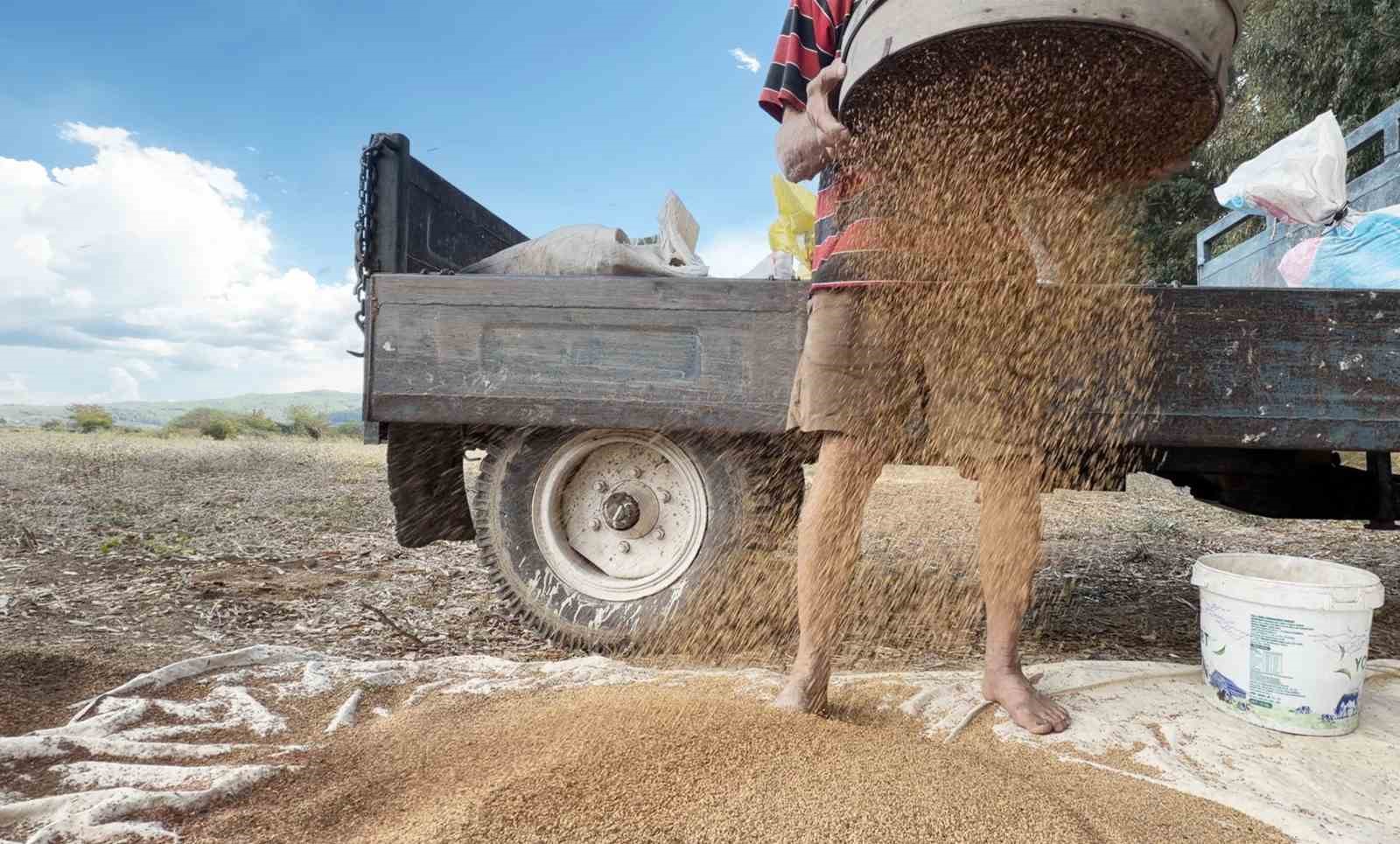
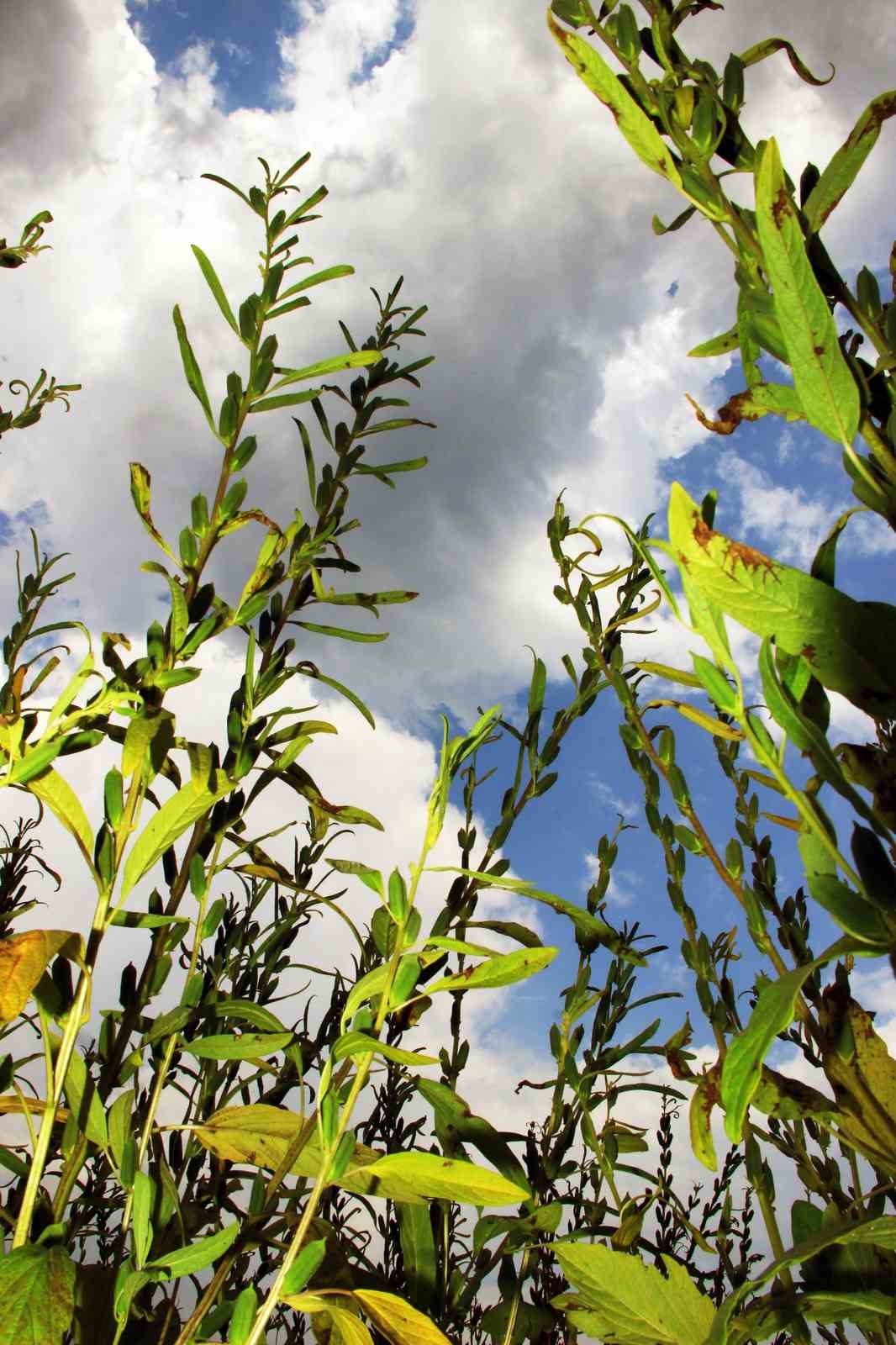
Sesame production in the region is largely carried out using traditional methods. The ripened plants are pulled from the field by hand and stacked. The sesame, which is left to dry in the field for approximately 21 days, is then threshed by hand and passed through a sieve to be made ready for sale.
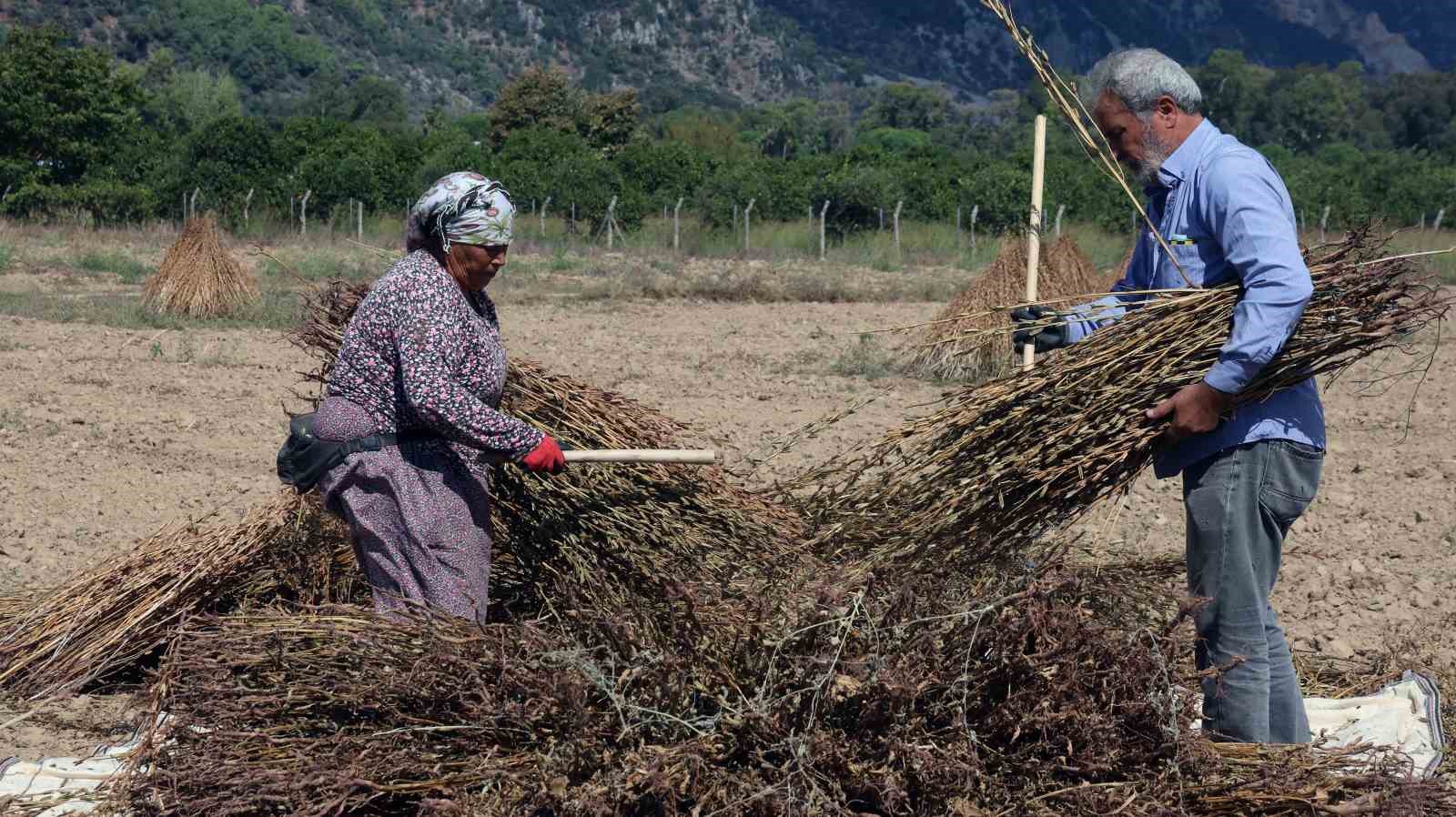
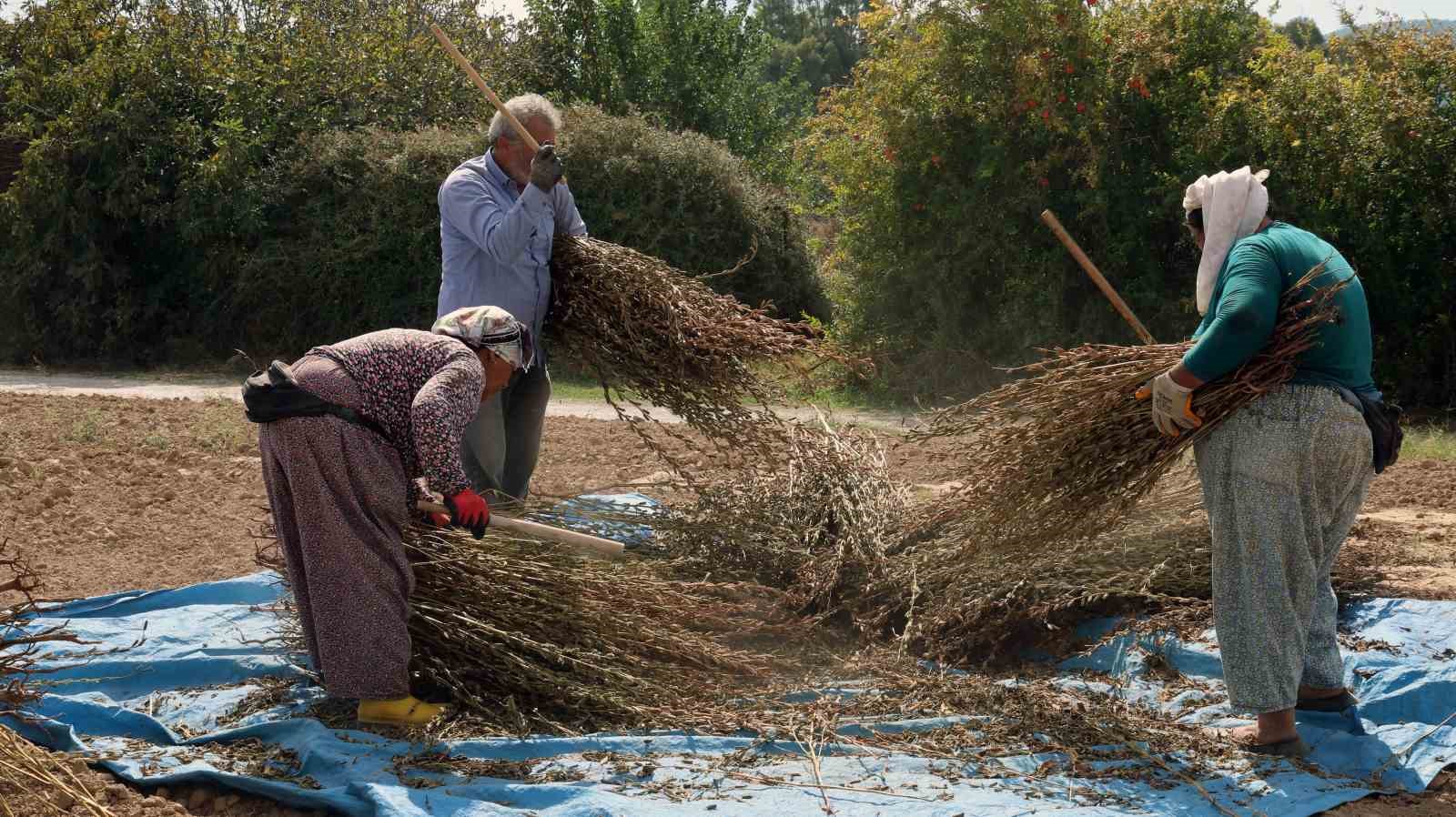
In the harvest, where technology is used to a limited extent in the production process, labor-intensive work comes to the fore. The product, grown with the dry farming method, draws attention with its adaptation to natural conditions, especially in the region where rainfall is low during the summer months.
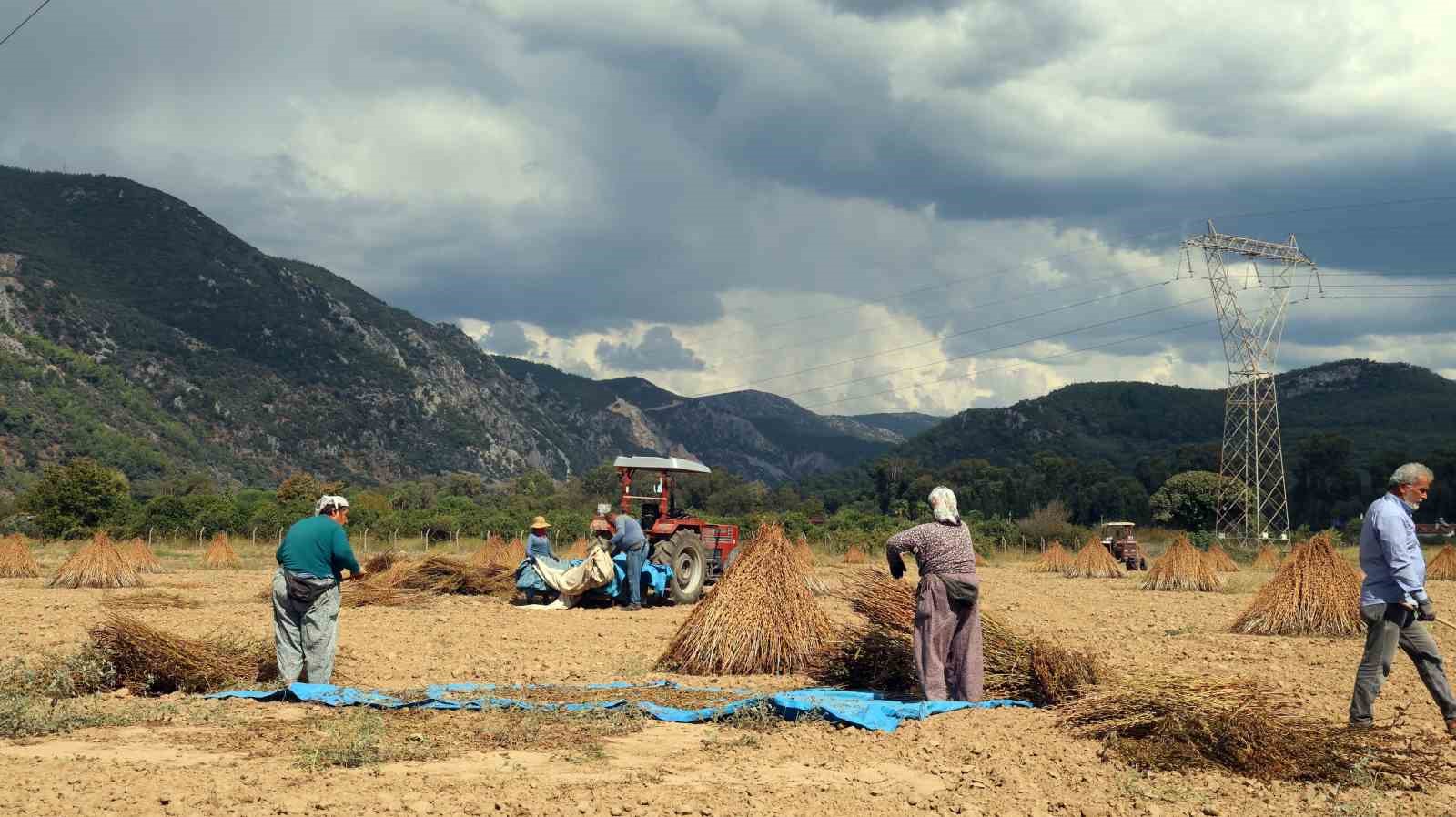
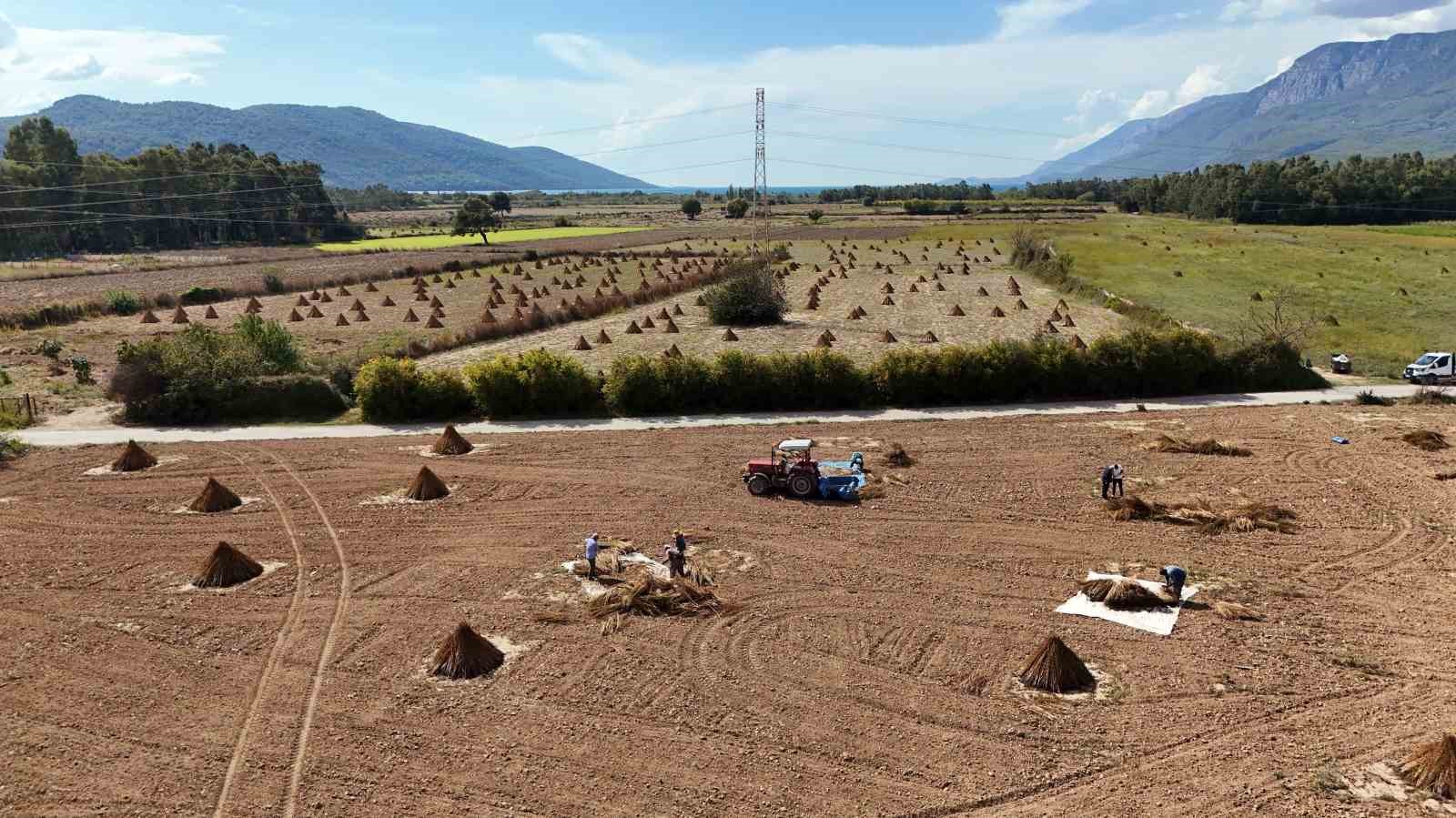
While there is domestic demand for Gökova sesame, one of the important buyers of the product is Japan. It is stated that the sesame, which is used in the preparation of sushi in Japanese cuisine, is purchased from the region by merchants every year and sent to Japan.
It was stated that in 2025, Japan purchased yellow sesame from exporting firms at 4.70 dollars per kilogram, approximately 230 TL. While the foreign market price for this year has not yet been announced, the retail price in the domestic market in 2026 is expected to be 200 TL, and the wholesale price is expected to be 180 TL.
PRODUCERS' AGENDA: LABOR SHORTAGE
One of the most important problems for producers during the harvest period is finding workers. It is stated that workers come from the rural neighborhoods of the Köyceğiz district, 80-90 kilometers away, to collect the product from the field.
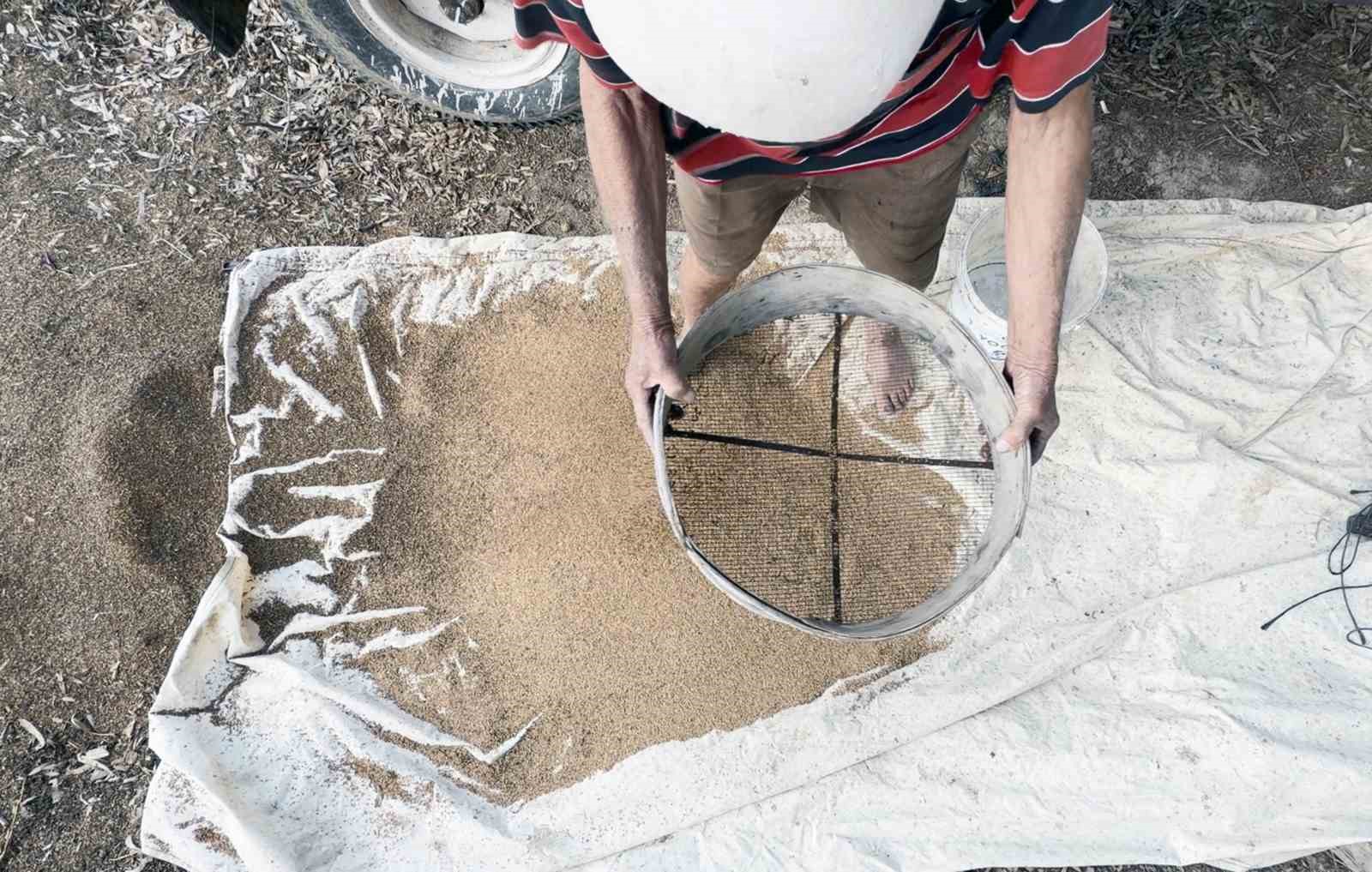
Adem Akyüz, who has been a sesame producer for 20 years, also drew attention to the labor-intensive nature of production and said that Gökova sesame is produced without irrigation, naturally, and largely by hand. Akyüz explained the main problem during the harvest period with the words, "There are no workers, they cannot be found."
News Source : 12punto