

Warning for Lukoil refinery in Romania: Closure could affect 460 companies and 8,000 employees
A trade union in Romania has warned that the continued closure of the Petrotel-Lukoil refinery could tighten fuel supplies and put pressure on local companies.



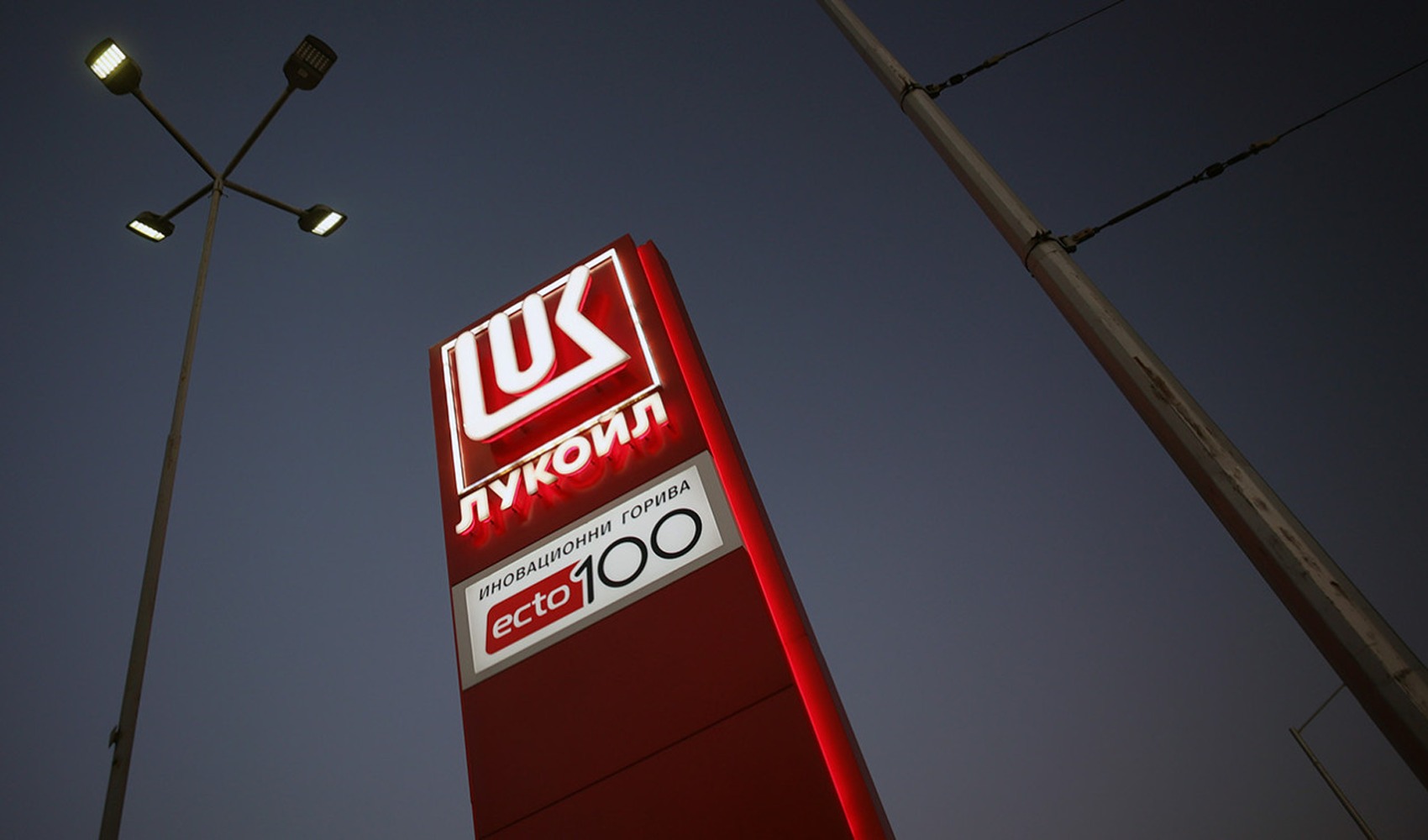
The inability to restart the Petrotel refinery, owned by the Russian energy company Lukoil in Romania, has sparked a new debate regarding employment and the local economy. Bogdan Hossu, president of the National Trade Union Confederation Cartel Alfa in Romania, stated that the facility remaining closed could leave approximately 460 local companies facing the risk of bankruptcy.
Speaking to DCBusiness, Hossu warned that the refinery being out of operation could lead to 8,000 people losing their jobs, which he noted could create a “serious social problem.” According to the union leader, the failure to resume production at the refinery could affect not only the facility's employees but also supplier companies and sectors dependent on the transport network.

Located in the city of Ploieşti, about 55 kilometers from the capital Bucharest, Petrotel-Lukoil is among Romania's major refineries with an annual crude oil processing capacity of 2.5 million tons. The facility, which came under Lukoil's ownership in 1998, also sends a portion of the fuel it produces to Moldova.
Hossu argued that Germany and Bulgaria acted more quickly in similar crises. Stating that Germany appointed a special administrator in a short time to prevent and monitor the transfer of revenues to the Russian Federation, and that Bulgaria completed a similar process within a month, Hossu expressed that Romanian authorities have been unable to appoint a special administrator for 14 months.
The union leader said that the refinery remaining closed could tighten fuel supply in the domestic market and create pressure on prices. In this scenario, it is assessed that the agriculture and transport sectors, which are heavy users of diesel, would be the first areas to be affected.
BANKRUPTCY PROTECTION PROCESS CONTINUES
According to a report by Digi24, a Romanian court has approved the bankruptcy protection process for the company operating the Petrotel-Lukoil refinery. As part of the process, the preliminary list regarding claims is planned to be prepared by September 29, and the final table is scheduled to be approved by October 23. The first meeting of the creditors' committee is expected to be held on October 3.
Company officials stated that the court-supervised process does not mean bankruptcy; it is intended to maintain commercial activities, protect company assets and employees, balance relationships with partners, and prepare the facility for a return to production.
Production at the Petrotel refinery was halted in October 2025 due to planned maintenance work and has not resumed in the time since. The facility later became a target of US sanctions. The Bucharest administration requested permission from the US in March for the refinery to operate again; although officials announced that the necessary exemptions had been granted, production did not restart.
Lukoil had decided to divest its international assets due to sanctions and announced in January that it had reached an agreement with the Carlyle Group. Almost all of the Petrotel-Lukoil shares are held by the Swiss-based company Litasco S.A., which is part of Lukoil's international structure.
News Source: 12punto
Most Read

Fear haunts the mountains

AKP member takes a step back

Latte 400 TL, bonito 300 TL

'Hunting season' has opened: But this adventure will burn everyone!

Northern Marmara Motorway user manual

Is the pitch bad, Coach İsmail?

Are Chinese robots making history?

From Bilal Erdoğan to Amedspor fans

The question Raci Şaşmaz refused to answer draws attention

Rasim Ozan Kütahyalı claimed he was giving a statement, but the Chief Public Prosecutor's Office denied it!