


Atatürk's Republic revolution: From subject to citizen, from independence to enlightenment, from production to development


Does a nation's destiny change only on the battlefield? Can military victories turn into a lasting civilizational triumph unless they are complemented by economic independence, scientific progress, cultural enlightenment, and social welfare?
The historical greatness of Mustafa Kemal Atatürk lies not only in his military genius, but also in his intellectual depth and state-building vision, which revealed how he envisioned a country and a future even during the most arduous days of war. Drawing from the French Enlightenment's ideas of reason, liberty, and popular sovereignty, as well as the legacy of Ottoman modernization and the scientific developments of his era, Atatürk transformed this intellectual heritage into a unique project of transformation within the historical conditions of Turkey. This vision, which prioritized education and culture while waging a struggle for independence on the front lines, and placed agriculture, industry, science, and art at the foundation of development after the victory, formed the intellectual and institutional basis of the Republic.
The Republic, proclaimed on October 29, 1923, was not merely a change in administration; it was a great revolution of enlightenment and civilization that transferred sovereignty from the dynasty to the nation, transformed the individual from a subject into a free and equal citizen, and moved the economic future from dependency to production. On the 103rd anniversary of our Republic, our fundamental question is this: Why is Turkey, which a century ago sought to build a future based on science, production, and development from the ruins of war, unable to translate its economic growth into social welfare, equal opportunity, and qualified development to the same extent today?
FROM THE FRENCH ENLIGHTENMENT TO THE TURKISH REVOLUTION: The Power of Ideas
Great revolutions change not only political powers but also the intellectual worlds, institutions, and future visions of societies. The 1789 French Revolution challenged absolute monarchy and feudal privileges, paving the way for the political transformation of ideas of popular sovereignty, liberty, and equality. With the proclamation of the republic in 1792, these ideas found expression in a new form of government.
In the intellectual background of this historical transformation, Jean-Jacques Rousseau's concepts of popular sovereignty and social contract, Montesquieu's separation of powers and limitation of authority, and Voltaire's understanding of reason, critical thinking, and freedom of conscience held an important place. Auguste Comte's positivist approach to scientific knowledge and social progress also influenced subsequent modernization thoughts…
Atatürk's intellectual world was nourished by the constitutional legacy of Ottoman modernization, historical experiences, and the scientific developments of his time, in addition to the French Enlightenment. His originality lay in adapting these ideas to the political and institutional transformation required by the national struggle for independence and Turkey's social conditions, rather than adopting them as they were.
The abolition of the sultanate on November 1, 1922, the proclamation of the Republic on October 29, 1923, and the abolition of the caliphate on March 3, 1924, were historical turning points in the transition of sovereignty from the dynasty to the nation. However, the goal was not just to change the form of government. The real purpose was to build a modern Republic that integrated political independence with economic independence, legal equality with education, and social progress with science and culture.
INDEPENDENCE ON THE FRONT, THE FUTURE IN EDUCATION: Atatürk's Grand Vision
One of the most striking examples demonstrating Atatürk's intellectual depth and state-building skills, as much as his military genius, is that he kept education and culture among his priorities even during the most critical days of the National Struggle. The convening of the Maarif (Education) Congress in Ankara in July 1921, while the Kütahya-Eskişehir battles were ongoing and the country's future was in great uncertainty, is a historical indicator of this foresight.
While managing the struggle for independence on the front, Mustafa Kemal Pasha was meeting with teachers to discuss the future of education. The initiation of museum studies in Ankara and the efforts to protect historical artifacts in the same year revealed that cultural heritage was also seen as an inseparable part of national independence. Because for Atatürk, military victory would open the door to independence, while the future of the Republic would be determined by educated, free-thinking, and productive citizens.
This understanding transformed into a comprehensive cultural transformation with the establishment of the Republic. While the Law on Unification of Education (Tevhid-i Tedrisat) in 1924 aimed for unity in education, the opening of the Music Teachers' School in the same year showed the importance given to art alongside scientific education. The 1928 Alphabet Revolution, the People's Schools (Millet Mektepleri), the 1932 People's Houses (Halkevleri), and the 1933 University Reform were the main steps aimed at bringing enlightenment to broad segments of society.
Atatürk's personal contribution to the Turkification of scientific concepts by preparing the Geometry book in 1936–1937 shows that his interest in knowledge and science was not only intellectual but also practical. The social transformation of the Republic was also reflected in literature. Reşat Nuri Güntekin's novel Çalıkuşu questioned the importance of education in Anatolia, Yakup Kadri Karaosmanoğlu's novel Yaban the disconnect between the intellectual and the public, his novel Ankara the tension between Republican ideals and social reality, and Halide Edip Adıvar's novel Sinekli Bakkal the relationship between tradition and modernization.
In Atatürk's understanding of development, education, science, culture, and art were not complements to economic development, but its fundamental elements. The factory and the school, the laboratory and the library, the field and the university were institutions of the same social transformation that reinforced each other. Because true development was possible only by improving not just production capacity, but also the human power to think, question, and create.
MILITARY VICTORY IS NOT ENOUGH: There Is No Full Independence Without Economic Independence
To understand Atatürk's economic vision, one must look at the İzmir Economic Congress, which convened on February 17, 1923, before the proclamation of the Republic. The National Struggle had been won militarily, but the Lausanne negotiations had not yet concluded. Turkey was facing severe structural problems such as insufficient capital accumulation, weak industrial infrastructure, low productivity, and external dependency. Atatürk saw that the transformation of military victory into lasting independence would be possible through economic sovereignty and production capacity.
With this understanding, representatives of farmers, merchants, industrialists, and workers were brought together in İzmir. At the opening of the congress, Atatürk emphasized that military and political victories could not be lasting unless they were complemented by economic successes. Because while political independence secures the existence of a state, economic independence strengthens that state's capacity to determine its own future.
The congress addressed priorities such as developing agricultural production, establishing domestic industry, supporting entrepreneurship, facilitating access to finance, and strengthening transport infrastructure. The goal was not just to repair the economy destroyed by war; it was to create the institutional foundations of development by transforming the production structure. In Atatürk's understanding of the economy, the state and private enterprise were not absolute opposites. The state's role as a regulator, guide, and, when necessary, a direct investor was shaped according to the country's economic conditions. Indeed, the expansion of the state's economic role and the shift toward planned industrialization following the 1929 Great Depression were pragmatic policy responses to changing conditions.
The early economic policies of the Republic leave fundamental lessons for today: Economic independence is not just a political ideal; it must be based on strong institutions, productive investments, technological development, and an understanding of development that prioritizes social benefit.
FROM THE FIELD TO THE FACTORY: The Republic Rising with Production
In the founding years of the Republic, the majority of the population lived in rural areas and made their living from agriculture. Traditional production methods, insufficient mechanization, lack of capital, and low productivity were the main obstacles to economic development. Atatürk saw agriculture not only as the peasant's source of livelihood but as the strategic foundation of economic independence, food security, and industrialization. In his understanding of development, land had to meet science, labor had to meet technology, and the producer had to meet cooperativism; agriculture and industry had to turn into production areas that fed each other.
The Republic's industrialization drive did not aim only to build factories or produce imported goods domestically. The real purpose was to transform an economy worn out by wars, with insufficient capital and technological infrastructure, into a structure that utilized its own resources, improved its production capacity, and reduced its external dependency. Because for Atatürk, industrialization was an indispensable condition of national sovereignty and modernization beyond economic growth.
The establishment of the Türkiye İş Bankası in 1924, Sümerbank in 1933, and Etibank in 1935 strengthened the financial and institutional foundations of this transformation. The First Five-Year Industrial Plan, implemented in 1934, aimed to direct scarce resources to strategic sectors and accelerate industrialization in a planned manner. The establishment process of the Kayseri Textile, Paşabahçe Glass, and İzmit Paper factories, as well as sugar factories and the Karabük Iron and Steel facilities, were concrete examples of this vision. These investments did not just produce goods; they brought agriculture and industry together, created employment, increased technical knowledge, and supported regional development. While sugar factories developed beet production and animal husbandry, textile factories turned agricultural raw materials into industrial products; iron and steel investments strengthened the country's industrial infrastructure.
Evaluated with today's economic science, these investments were parts of a structural transformation strategy that developed inter-sectoral production linkages, accelerated technological learning, and increased the economy's productive capacity. Factories were not just production facilities; they were institutions that trained qualified labor, provided knowledge and technology accumulation, and contributed to the economic and social development of the regions where they were located.
The provision in the 1936 Turkish Flag Law that the flag should be made of domestic wool was a symbolic indicator of the importance given to domestic production. However, the true measure of economic independence is not just having raw materials or doing domestic production; it is the ability to transform these resources into high value-added products with science, technology, and qualified labor.
Producing cotton is valuable; but transforming cotton into high-tech textile products creates higher value-added. Mining is important; but transforming it into machinery, advanced materials, and technology requires a stronger industrial capacity. True economic independence is not to cut ties with the world; it is to rise to a position that develops technology, has high competitiveness, and creates more value-added in global production and value chains.
The fundamental lesson left by the Republic's industrialization experience for today is clear: Sustainable development is possible not only by producing more, but by transforming the quality of production, the technological level, and the structure of the economy.
GROWTH OR DEVELOPMENT? The Lesson the Republic Gives Today
Can a country's economic success be measured only by growth rates, national income increases, or export figures? If the purchasing power of citizens weakens, income distribution deteriorates, and young people worry about their future while the economy is growing, can we call this real development?
Economic growth and economic development are not the same thing. While growth refers to the increase in total production and income, development encompasses the improvement of productivity, technological capacity, human capital, institutional quality, and social welfare. An economy can grow through consumption, construction, and debt. However, if this growth does not turn into productive investments, technological progress, qualified employment, and a fairer income distribution, sustainable development cannot be achieved. The real issue is not just how much the economy grows, but how it grows, for whom it creates value, and how this value is reflected in society.
The importance Atatürk gave to education, science, culture, and art is an important indicator of his approach that did not see development as consisting only of factories, machines, and capital accumulation. Because science feeds technology, education feeds qualified human resources, and culture and art feed creativity and critical thinking. A country's true wealth lies not only in its natural resources or factories; it is hidden in the people it raises, the knowledge it produces, the technology it develops, and the strong institutions it establishes.
Therefore, resources allocated to education, science, and culture are not just budget expenditures, but strategic investments made in the productive capacity of the future. However, for these investments to find a social response, the rule of law, meritocracy, accountability, and institutional trust are also indispensable. A strong state is not just one that has broad powers; it is a state that is bound by law, uses resources effectively, is based on merit, and inspires trust in its citizens.
Carrying the Republic's development legacy to today does not mean repeating all the policy tools of the past exactly. The real responsibility is to combine production with high value-added by taking reason and science as a guide, and to transform economic growth into equal opportunity and social welfare. Because the Republic's ideal of development is not just a larger economy, but building a more productive, fairer, and more prosperous society.
THE REPUBLIC: The Protector of the Helpless, the Guarantee of Equal Citizenship
One of the greatest achievements of the Republic is raising the individual from being a subject of the dynasty to the position of an equal citizen with rights and freedoms. Because the Republic is not just about sovereignty belonging to the nation; it is the ideal that everyone, independent of the family they were born into, their economic conditions, and their social position, gains the opportunity to determine their own future.
The Republic is the protector of the helpless. It is equal opportunity. It is the name of the subject who once could not enter the palace gates being able to study in state schools and rise to the highest offices of the state. It is the name of a child born in a poor village in Anatolia being able to rise through education, of the child of a farmer family being able to become a scientist, teacher, engineer, or state administrator. The replacement of privileges with equal opportunity and personal loyalties with merit is the foundation of the Republic's understanding of social justice.
One of the most important dimensions of this transformation is the struggle for women's equal citizenship. The 1926 Turkish Civil Code and the granting of the right to vote and be elected to women in 1934 were historical steps on the path to legal and political equality. Pioneering women such as Sabiha Rıfat Gürayman, Remziye Hisar, Nüzhet Gökdoğan, and Afet İnan became concrete examples of the opportunities the Republic opened in the fields of education and science.
However, legal equality does not automatically create social and economic equality. If a child's future is determined by their family's income, the geography they were born in, or the connections they have; if women cannot access equal opportunities in education, employment, and decision-making processes, the Republic's ideal of equal citizenship has not yet been fully realized. Therefore, equal opportunity and merit cannot be thought of separately from each other. Merit is the guarantee not only of efficiency in public administration but also of justice, social trust, and citizens being at an equal distance from the state. In a system where closeness replaces knowledge, privilege replaces labor, and personal relationships replace competence, both institutions weaken and the society's sense of justice erodes.
On the 103rd anniversary of the Republic, our real responsibility is not only to protect these historical gains but to carry them further with equal opportunity in education, women's participation in economic and social life, the future security of young people, and strong institutions based on merit. Because the true power of the Republic lies not only in citizens being equal before the law, but in every individual being able to build their own future with their talent, labor, and knowledge.
CONCLUSION: Keeping the Republic Alive Means Continuing Enlightenment and Development
The Republic is not just a form of government proclaimed on October 29, 1923; it is a great revolution of civilization that gives sovereignty to the nation, transforms the individual from a subject into a citizen, takes reason and science as a guide, and places economic independence at the foundation of social progress. This transformation, carried out under the leadership of Gazi Mustafa Kemal Atatürk, is the historical work of the determination to create an independent, modern, and productive Turkey from the ruins of war.
The Republic's revolutions, extending from education to agriculture, from industry to science, culture, and art, were not independent reforms; they were parts of a holistic transformation that brought enlightenment together with development, economic independence with social justice, and national sovereignty with equal citizenship. The goal was not just to establish a strong state; it was to create a society that thinks freely, produces knowledge, develops technology, and shares prosperity. On the 103rd anniversary of the Republic, the fundamental question we must ask ourselves is: To what extent have we been able to carry forward this great ideal of enlightenment and development entrusted to us by Atatürk? Have we been able to transform economic growth into social welfare, education into equal opportunity, scientific knowledge into technology, production into high value-added, and legal equality into real social justice?
Commitment to the Republic is not just boasting about the achievements of the past or celebrating our national holidays with ceremonies. Protecting the Republic means strengthening the rule of law, democracy, and meritocracy, protecting public resources, spreading scientific thought, removing obstacles in front of women and young people, and building an economy that produces and distributes fairly. Because the Republic is not a work completed in the past; it is our common future that every generation must develop with knowledge, labor, morality, and responsibility. Its true guarantee is free-thinking citizens, strong and fair institutions, an economy that produces science and technology, and social solidarity.
The Republic is the symbol of light against darkness, science against ignorance, freedom against captivity, and equal citizenship against privileges. The greatest political achievement of an epic struggle for independence is the foundation of modern Turkey. Protecting Atatürk's revolutions and the Republic's legacy of enlightenment means carrying these gains into the future with generations that are free in thought, free in conscience, and free in wisdom. Keeping the Republic alive means not only protecting it, but deepening enlightenment, strengthening democracy, socializing development, and leaving a freer, fairer, more productive, and more prosperous Turkey to future generations.
I commemorate with infinite respect, mercy, gratitude, and appreciation our founder of the Republic, our Great Leader Gazi Mustafa Kemal Atatürk and his comrades-in-arms; our dear martyrs who sacrificed their lives for our independence, freedom, and the establishment of our Republic; our heroic veterans who wrote history with their sacrifices; and all the heroes who entrusted us with an independent, honorable homeland. It is the greatest responsibility of us all to keep alive the Republic established by their unique sacrifices with the same faith and determination and to carry it stronger to future generations.
Long live the Republic! Long live a fully independent, democratic, and modern Turkey! Happy October 29 Republic Day!
Would you like to get notifications about new developments and save news?
- NotificationsNew developments and breaking news
- SaveNews is stored in the app
Most Read
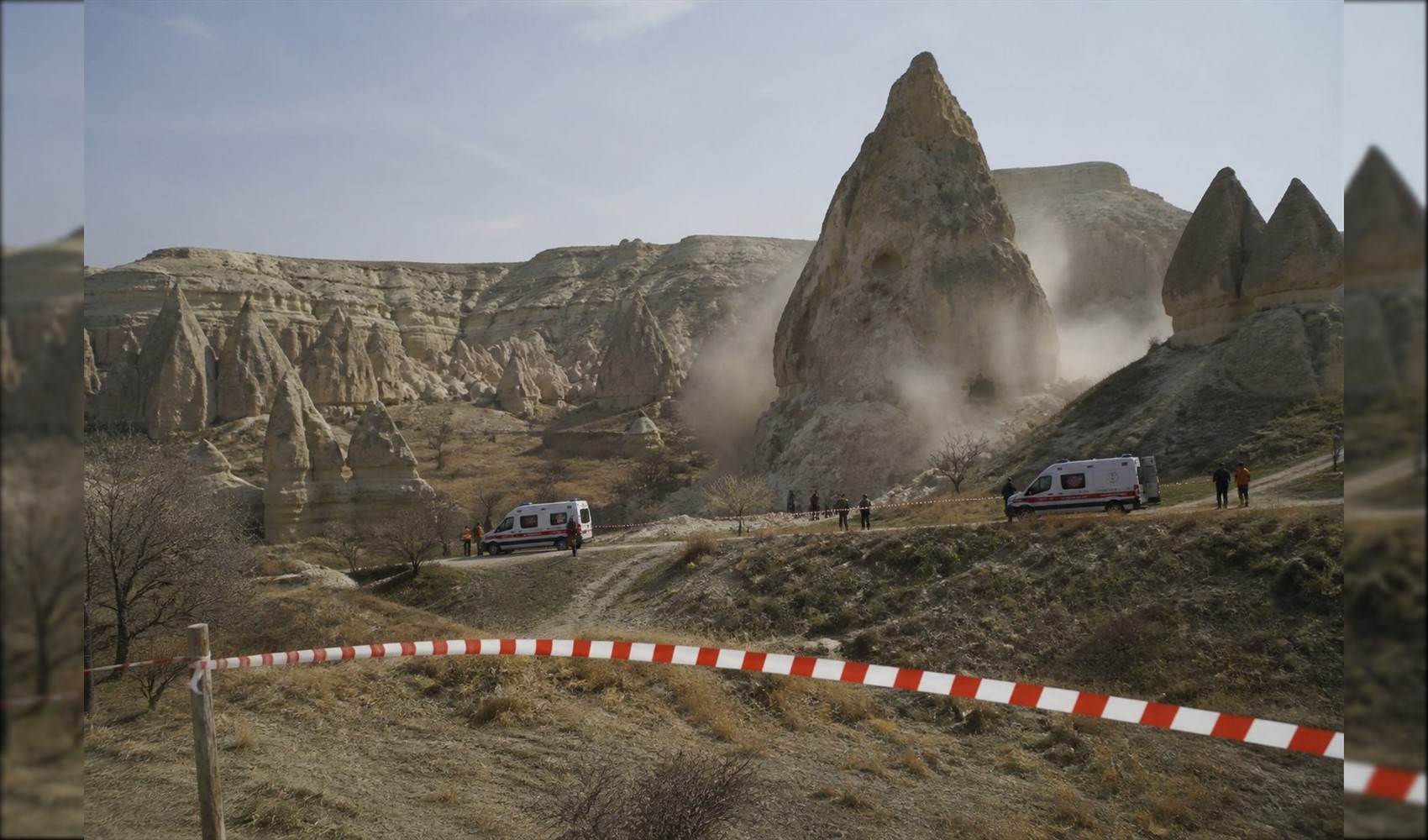
Fairy chimney collapses in Cappadocia

The 10 provinces with the highest air pollution in Turkey have been announced
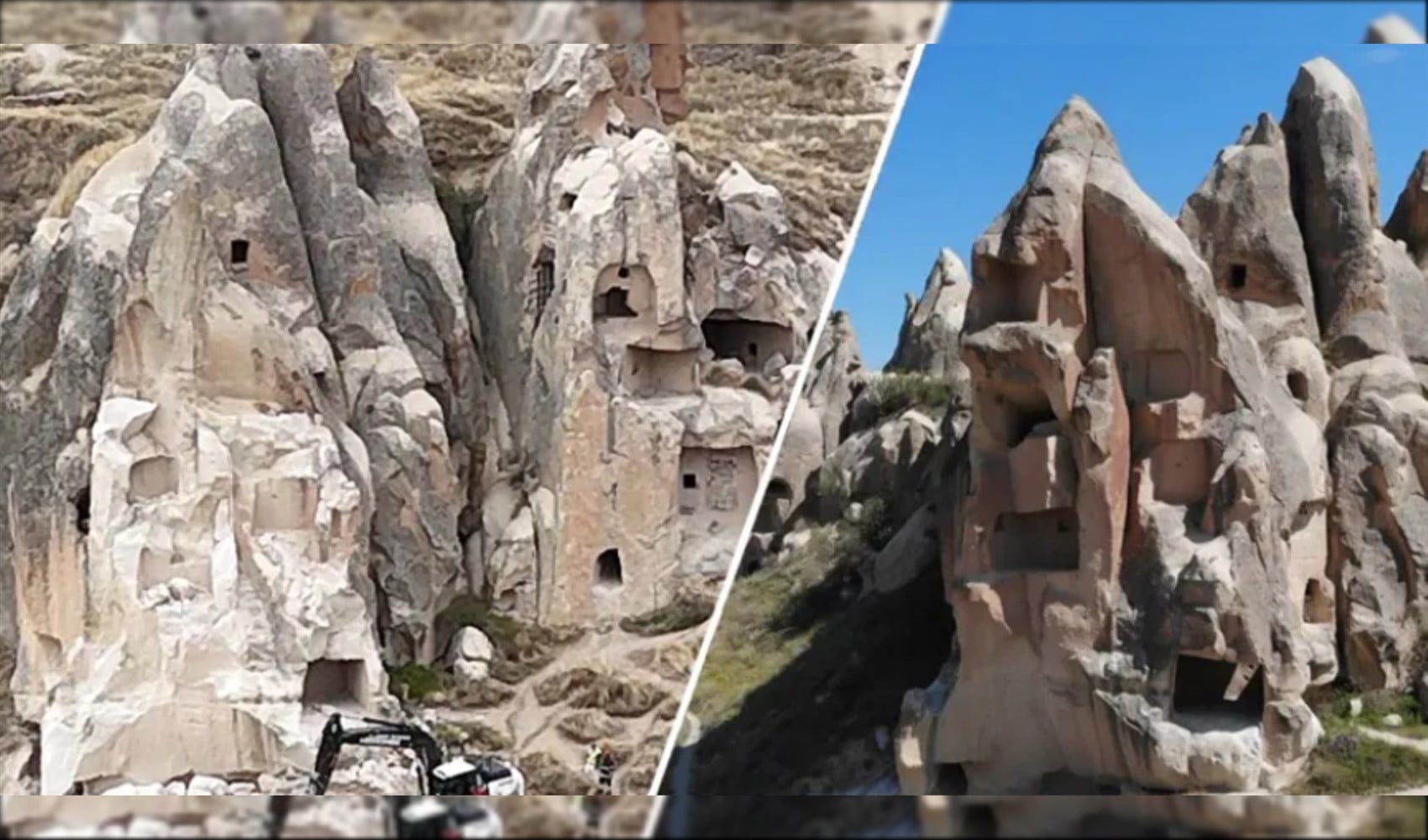
The scale of the destruction in Cappadocia revealed after the tragedy
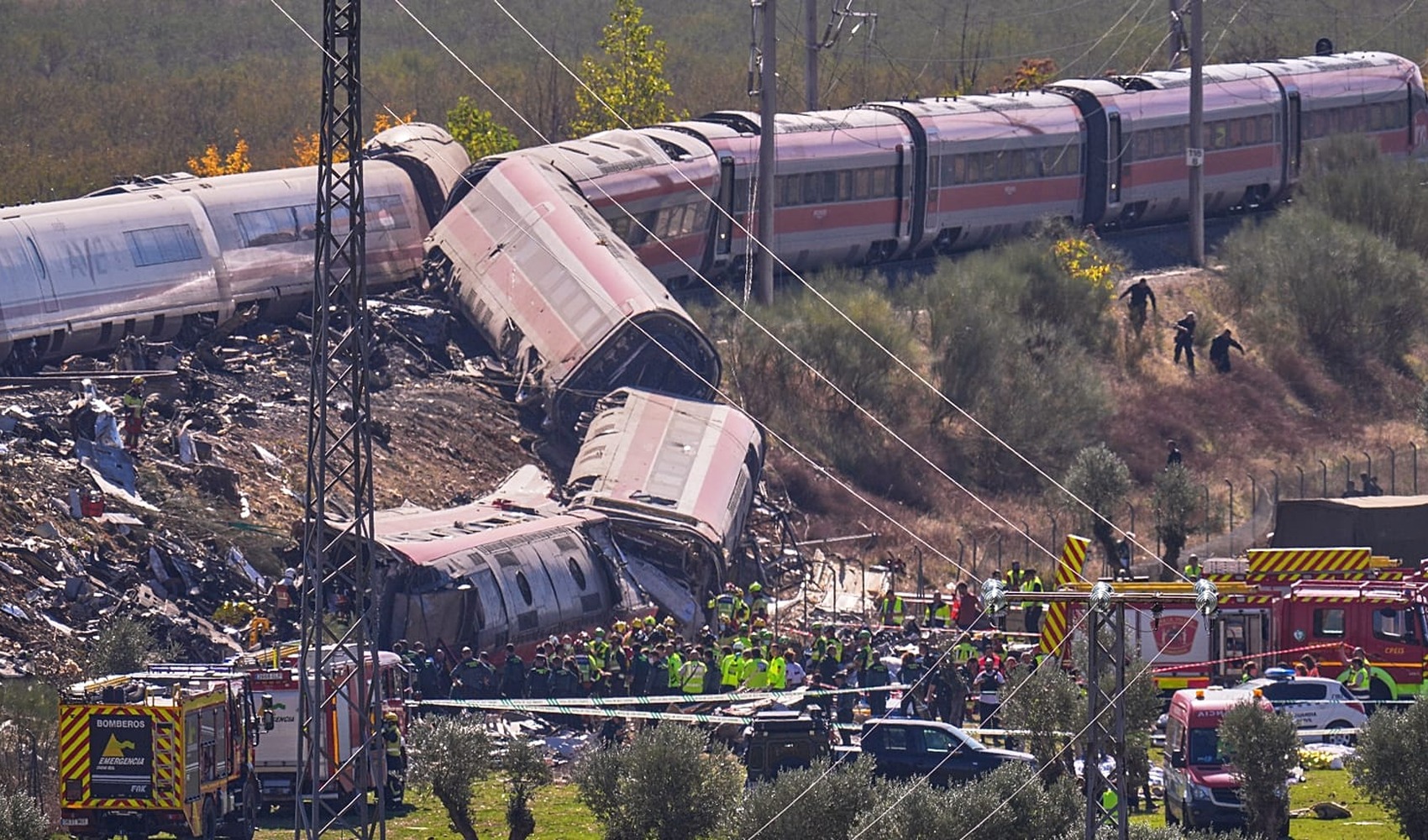
Decisions leading to 69 deaths in the Spanish train disaster

Why didn't Osimhen go to Konya? Galatasaray explains
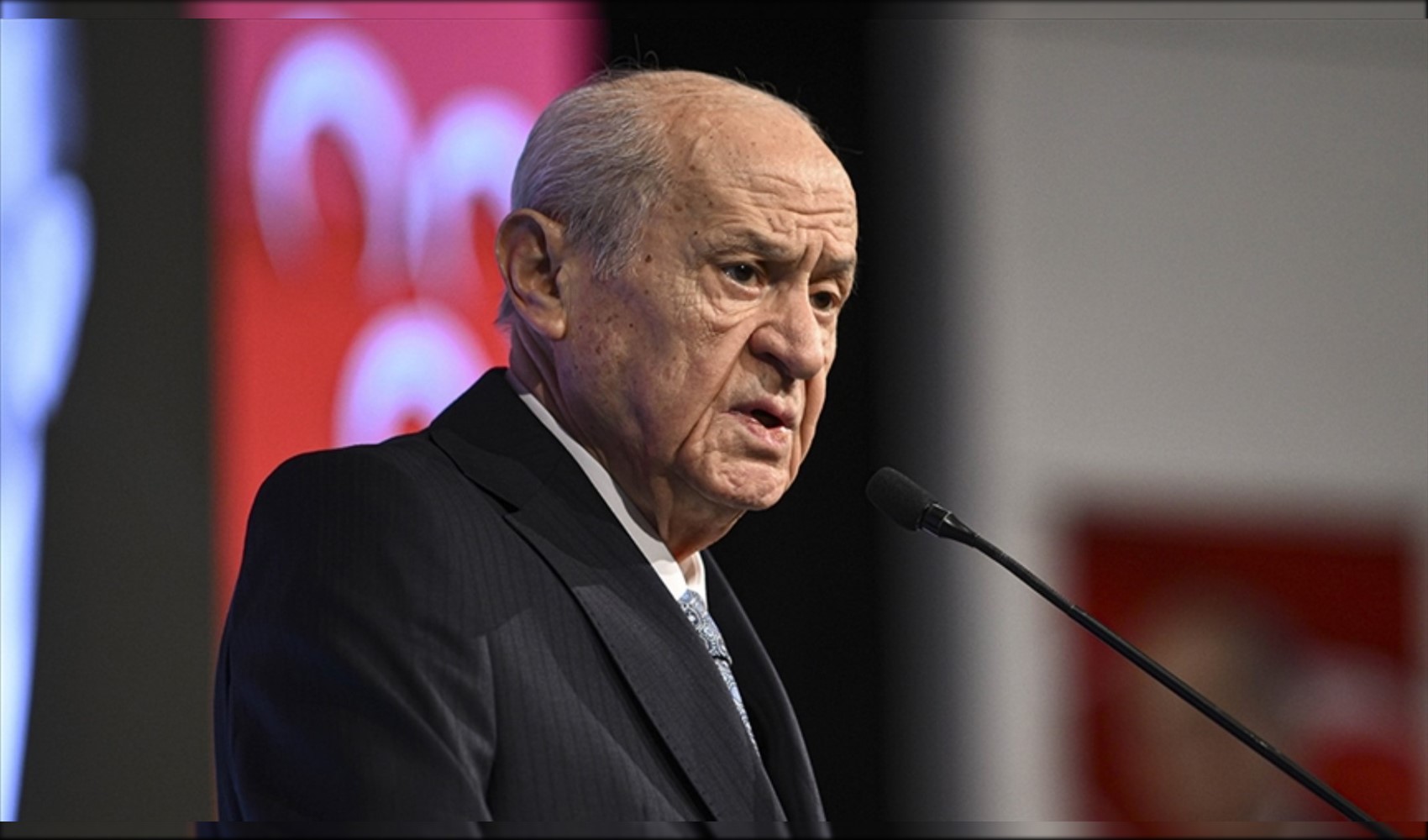
A message of unity from Bahçeli on October 29

Derby penalties from the PFDK
Did Fidan say these things or not?!
Netanyahu bloc falls short of majority
While Turkey was signing the Mecca Agreement, the Arabs supported Greece