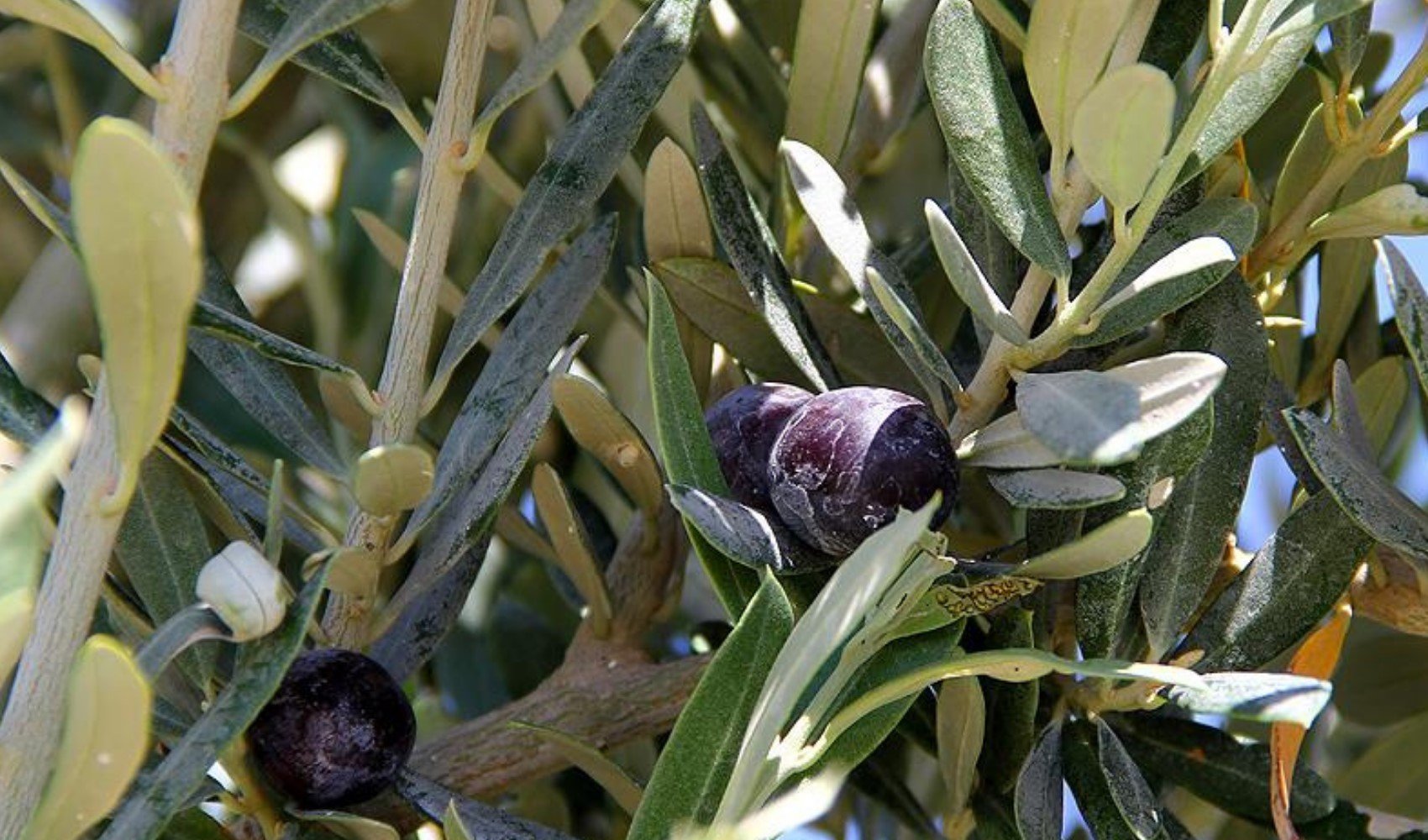
The Bill on Amendments to Certain Laws, which was passed by the General Assembly of the TBMM, envisions fundamental changes in environmental law and mining practices. The law makes many areas with protected status, from olive groves to heritage sites, available for mining activities. One of the most debated regulations was the removal of the "EIA Not Required" decision.
EIA PROCESS REORGANIZED
With the law, an amendment was made to the EIA article in the Environmental Law. The "EIA Not Required" decision was removed; only projects that receive an "EIA Positive" decision will be allowed to proceed. However, this situation will not prevent applications for licenses or incentives. The regulation aims to prevent misunderstandings caused by the "EIA Not Required" decision.
DEFINITIONS AND FEES IN THE MINING LAW CHANGED
The definition of the license fee was reshaped by removing the environmental compliance guarantee. The rehabilitation fee will now be regulated separately from the license fee.
The new definition will be calculated annually based on parameters such as the base price and license duration, and will be transferred to different budget items for exploration and operating licenses. Additionally, new definitions such as "Board," "Rehabilitation," and "Collection Office" have been added to the law.
'SUPER AUTHORITY' ERA IN PERMIT DURATIONS
According to the regulation, the permit process will now be accelerated in sensitive areas such as special environmental protection zones, national parks, wetlands, forests, tourism areas, and heritage sites.
The General Directorate of Mining and Petroleum Affairs (MAPEG) will request opinions from relevant institutions. If no response is given within 3 months, an additional one-month period will be granted; if no answer is received at the end of this period, the permit will be deemed granted.
In forested areas, a free permit will be granted for 24 months within 3 months upon the request of MAPEG. This period may be extended by 12 months upon request.
MINING WILL CONTINUE EVEN IF THE LICENSE AREA CHANGES
Even if the region becomes subject to permits after the license is issued, activities will not be stopped. However, if cultural assets are detected in the license area, the approval of the Ministry of Culture and Tourism will be required. If a favorable opinion is not given, the investor will be compensated for the expenses incurred up to that point.
SILENCE OF AN INSTITUTION THAT DOES NOT PROVIDE AN EIA OPINION WILL BE DEEMED POSITIVE
In the Environmental Impact Assessment process, institutions will be required to provide their opinions within 3 months. One month will be given to an institution that requests an extension with justification. The opinion of an institution that does not provide an opinion within the specified period will be deemed positive.
Furthermore, institutions that previously granted permits will not be able to provide a negative opinion later in the EIA process. For projects with an EIA positive decision, all procedures must be completed within one month at the latest.
The law also redefines "strategic" and "critical" minerals. The licensing of minerals considered critical for national security and economic prosperity will be carried out within the framework of the principle of superior public interest.
The Board, established upon the application of the Ministry of Energy and Natural Resources, will be able to ensure that permits are granted in these areas.
If necessary, urgent expropriation can also be carried out.
REHABILITATION FEE WILL BE MANDATORY
With the new regulation, the rehabilitation fee will be paid separately from the license fee and in an equal amount. These fees will accrue interest in a time deposit account and can only be used for rehabilitation.
These resources cannot be seized, transferred, or pledged. The unused amount will be refunded to businesses that have completed their rehabilitation obligations.
Fees not paid upon license cancellation will be pursued under the Procedure for the Collection of Public Receivables.
REHABILITATION OBLIGATION ALSO COMES TO PUBLICLY OWNED AREAS
Raw material sites that do not belong to the state will also be subject to rehabilitation obligations, just like privately licensed sites. Rehabilitation in sites operated by public institutions will be covered by the institution's budget.
The relevant public institution may transfer the rehabilitation to the Ministry of Agriculture and Forestry. If rehabilitation deficiencies are not resolved within one month, activities will be stopped.
WHAT DOES THE LAW BRING AND WHAT DOES IT TAKE AWAY?
The "Super Permit" law aims to accelerate investment processes by simplifying bureaucracy in the assessment of environmental impacts. However, criticisms are rising that the priority of environmental protection is being pushed into the background for the sake of administrative convenience.
News Source: 12punto