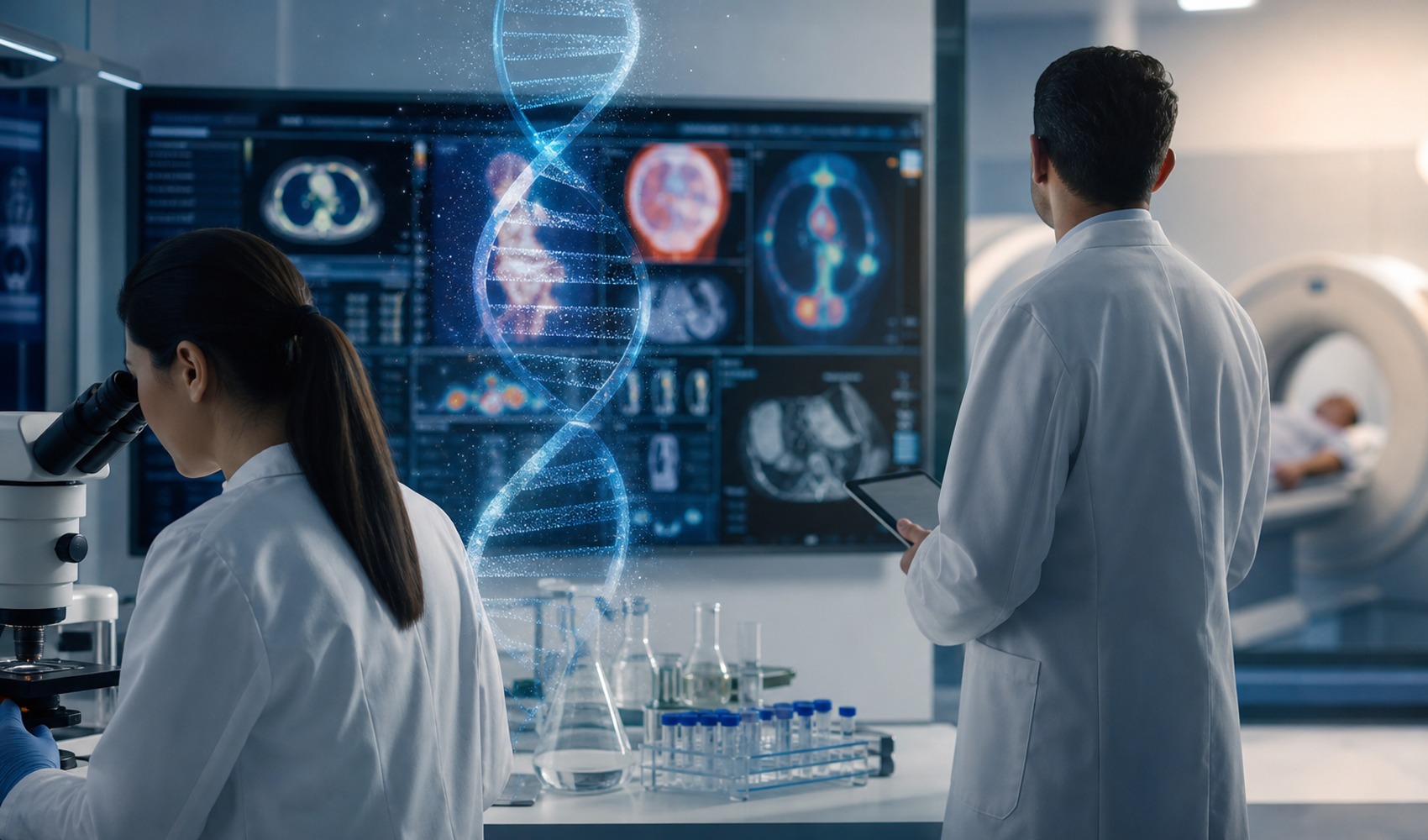
The most significant change in cancer treatment in recent years has been the move away from the "one-size-fits-all" approach. Data published by the World Health Organization, the International Agency for Research on Cancer, the US National Cancer Institute, the FDA, the European Medicines Agency, and peer-reviewed scientific journals show that modern oncology is increasingly built upon personalized diagnosis, molecular targeting, immune system-based therapies, and multidisciplinary planning.
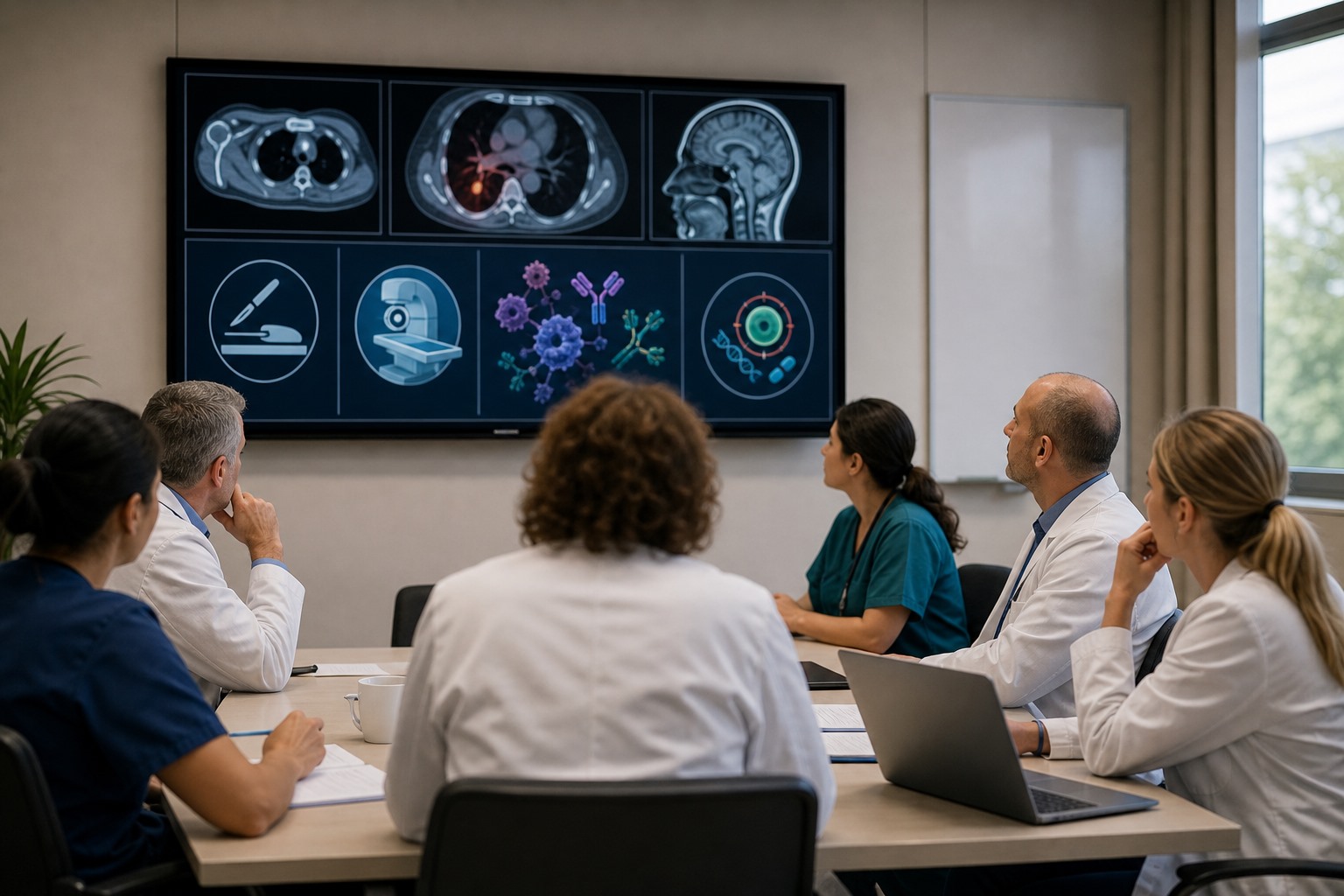
This transformation stems from treating cancer not as a single disease, but as a broad group of diseases with hundreds of different biological subtypes. Even two tumors starting in the same organ can have different genetic changes, different growth rates, and different responses to treatment. For this reason, in advanced centers, treatment decisions are made not only based on the stage of the cancer but also on the molecular profile of the tumor, the patient's age and comorbidities, quality-of-life goals, and previous treatment responses.
WHY HAS PERSONALIZED TREATMENT TAKEN CENTER STAGE?
Molecular tests lie at the heart of personalized oncology. Analyses performed on biopsy samples taken from the tumor or, in some cases, on tumor DNA circulating in the blood, can reveal the changes that govern the growth of cancer cells. This information makes it possible to select targeted drugs for appropriate patients, explore clinical trial possibilities, or avoid certain treatments.
Targeted therapies aim to suppress a specific biological pathway in the cancer cell. EGFR and ALK changes in lung cancer, the HER2 target in breast cancer, BRAF or NTRK changes in some cancers, and BRCA-related DNA repair defects in ovarian and breast cancers are among the well-known examples of this approach. These drugs do not always completely replace chemotherapy; however, they can significantly change disease control in the right patient group.
Immunotherapies that direct the immune system to fight cancer are also one of the main pillars of modern treatment. Drugs targeting PD-1, PD-L1, and CTLA-4 checkpoints have become standard treatment options in many areas, including melanoma, lung cancer, kidney cancer, bladder cancer, and some head and neck cancers. However, immunotherapies are not effective in every patient; tumor type, biomarkers, and the patient's immune status are evaluated together to predict response.
In blood cancers, CAR-T cell therapies and bispecific antibodies are among the most notable examples of the advanced treatment class. In the CAR-T approach, the patient's immune cells are reprogrammed in a laboratory setting to recognize cancer cells. While this method creates important options for certain types of leukemia, lymphoma, and multiple myeloma, it cannot be applied in every center; it requires an experienced team and close monitoring due to the risk of severe side effects.
ADVANCED METHODS OFFER HOPE BUT DO NOT MEAN THE SAME FOR EVERY PATIENT
Antibody-drug conjugates are another field that has recently come to the fore. These treatments work by attaching a potent cell-killing drug to an antibody that recognizes the cancer cell. The goal is to direct the drug to the tumor as much as possible and reduce the effect on healthy tissues. The use of drugs in this class is increasingly expanding in breast cancer, stomach cancer, lung cancer, and some blood cancers.
Radiotherapy is also changing technologically. Stereotactic radiotherapy, image-guided therapy, intensity-modulated radiotherapy, and, in some centers, proton therapy aim to deliver more precise doses to the tumor. In surgery, minimally invasive and robotic methods can shorten recovery time in suitable patients. However, the success of these techniques depends on the location of the cancer, its stage, the surgeon's experience, and the patient's general condition.
Radioligand therapies and the theranostic approach are particularly noteworthy in cancers carrying specific tumor markers. In this method, the target that images the tumor and the target that carries the treatment are directed at the same biological structure. Prostate cancer and neuroendocrine tumors are among the prominent examples in this field. The goal is to deliver radiation to cancerous cells more selectively.
Cancer vaccines, mRNA-based personalized vaccines, and experimental approaches aimed at better introducing the tumor to the immune system are still areas of intensive clinical research. While these studies are promising, not every new method has turned into standard treatment. Early-phase results published in scientific journals are followed with interest; however, definitive conclusions are not drawn until safety, contribution to survival, and real-life impact are confirmed by larger studies.
Artificial intelligence is developing in cancer treatment more in diagnosis, imaging, pathology evaluation, drug discovery, and decision support systems rather than being a "treatment" itself. It holds significant potential in analyzing radiology images, scanning pathology slides, and extracting risk patterns from large datasets. Despite this, it is not expected to replace clinical judgment on its own; physician evaluation, verified evidence, and patient preference continue to be fundamental.
One of the most important topics in accessing advanced treatments is clinical trials. Phase 1, 2, and 3 studies are conducted to evaluate the safety, efficacy, and superiority of new drugs compared to existing treatments. For eligible patients, participation in a clinical trial can offer a treatment alternative, especially in cases where standard options are limited. However, this decision must be evaluated through studies that have ethics committee approval, are officially registered, and are conducted by expert teams.
For patients and their families, the safest path is not to reduce the treatment decision to a single heading. The "newest treatment" may not always mean the "most appropriate treatment." Cancer type, stage, molecular test results, previous treatments, risk of side effects, quality of life, and access to treatment must be considered together. For this reason, it is important for those diagnosed to ask their oncology specialist whether a molecular test is needed, the possibility of targeted therapy or immunotherapy, clinical trial options, and the expected benefit-risk balance of the treatment.
The ultimate goal in modern oncology is not just to extend survival; it is to manage side effects, reduce pain, strengthen nutritional and psychosocial support, and protect the patient's daily life. Surgery, radiotherapy, drug treatments, genetic counseling, palliative care, and supportive therapies are all parts of the same plan. The most advanced approach in cancer treatment often comes not from a single miracle method, but from applying the right combination to the right patient at the right time.
News Source: 12punto