Pediatric Health and Diseases Specialist Dr. Belgin Özbek stated that complaints such as fatigue, fever, and bone pain in children do not mean leukemia on their own. Özbek said that how long these symptoms last, whether they recur, and whether they are seen in conjunction with other findings are the determining factors in the evaluation.
Reminding that approximately 400 thousand children and adolescents in the 0-19 age group are diagnosed with cancer worldwide each year, Özbek pointed out that leukemia, which is among childhood cancers, can manifest with different symptoms. According to Özbek, fatigue in children can often develop due to reasons such as infections, intense physical activity, sleep irregularities, or nutritional problems.
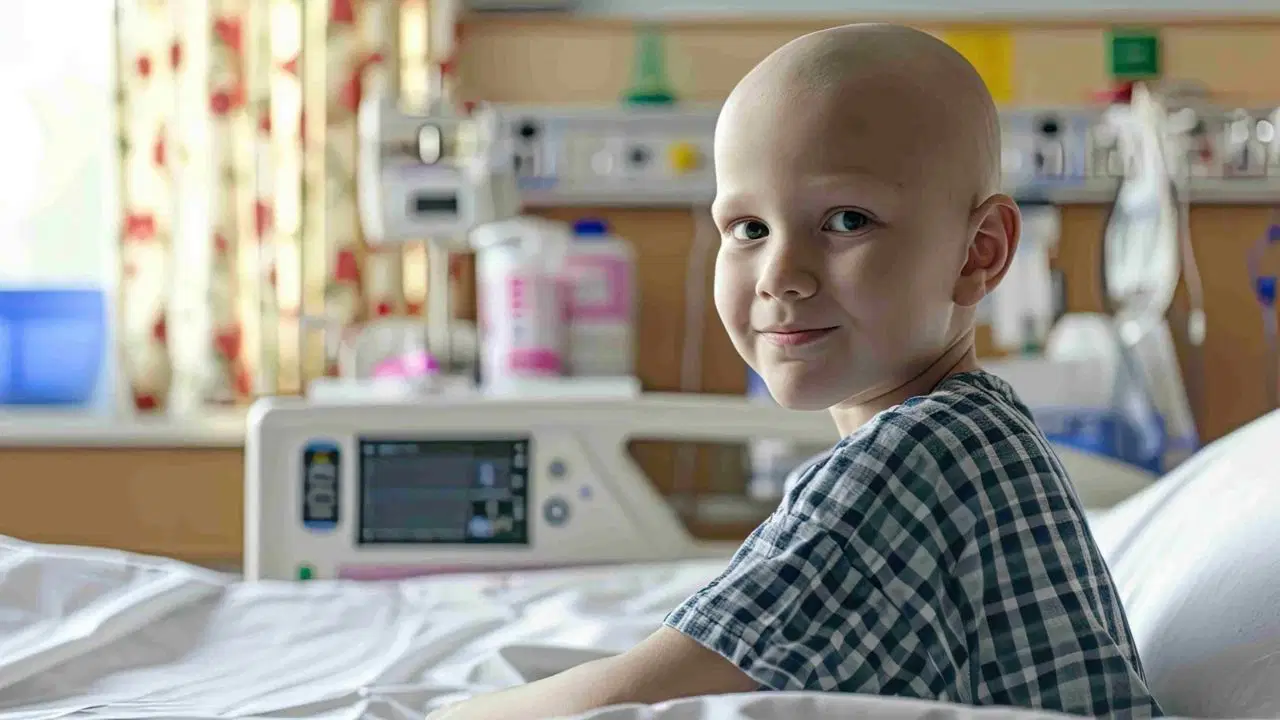
WHICH SYMPTOMS SHOULD BE TAKEN INTO ACCOUNT?
Özbek stated that families should be careful if the child has difficulty participating in daily activities, if the fatigue does not go away despite resting, or if significant pallor develops. Since blood cell production in the bone marrow can be affected in leukemia, fatigue and pallor can also be accompanied by easy bruising, bleeding, and susceptibility to infections.
Stating that leg pain after an active day is a common situation in growing children, Özbek said that sports, falls, and bumps can also lead to similar complaints. However, if the pain becomes constant, recurs, or affects the child's walking and daily life, the cause must be investigated.
Emphasizing that medical evaluation should not be delayed, especially if bone-joint pain is accompanied by fever, fatigue, pallor, or unexplained bruises, Özbek noted that bruises occurring without a clear impact and frequently recurring nose or gum bleeding are also findings that should be taken seriously.
Özbek stated that these symptoms alone do not lead to a diagnosis of leukemia, and that infections and different health problems can also cause a similar picture. For this reason, he said that families should consult a health professional without panicking, follow the course of the complaints, and not ignore changes that differ from the child's usual state.
When a suspicion of leukemia arises, the child's complaints and physical examination findings are evaluated in the first stage. If deemed necessary, tests such as a complete blood count can be requested, and further examinations can be planned according to the results. Özbek also conveyed that it is generally not recommended to perform routine leukemia tests on all children who do not show symptoms.
In cases such as a significant deterioration in the child's general condition, uncontrollable bleeding, or severe shortness of breath, emergency medical help must be sought.
News Source: 12punto