

Milk is not the only option for bone health: Foods that support calcium and protein intake
According to experts, calcium, vitamin D, and protein are important for strong bones. Soy, chia, dried fruits, and canned fish also stand out.



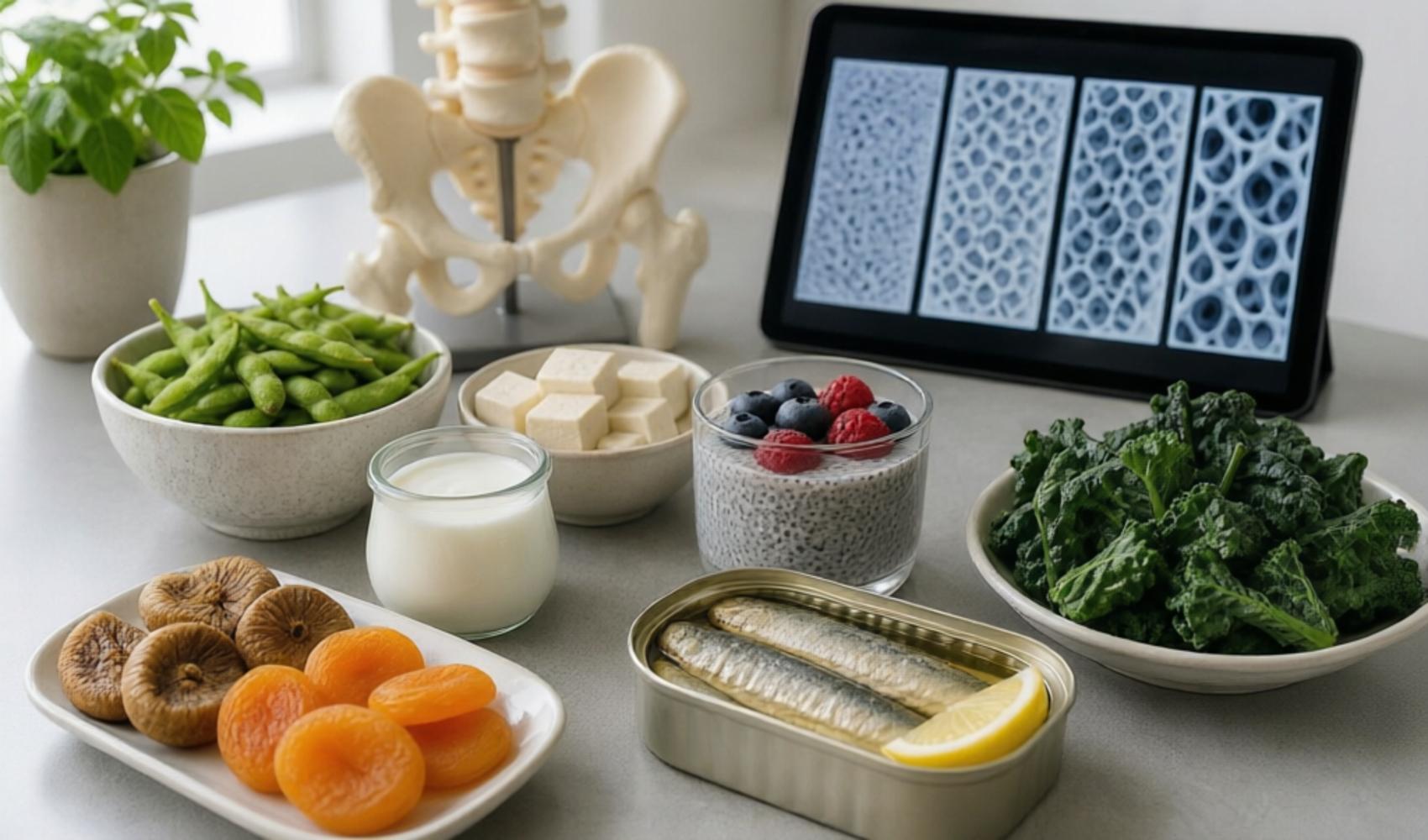
Bone health often only becomes a topic of discussion after a fracture or pain. However, according to experts, the skeletal strength one possesses in later life is closely linked to the bone reserve built during childhood and early adulthood. As age progresses, bone density decreases; while this process is more pronounced in postmenopausal women, it also affects men.
It is stated that approximately 500 million people worldwide live with osteoporosis. Conditions such as osteopenia and osteoporosis are often described as "silent" diseases because they progress without showing symptoms. Hip fractures, in particular, can seriously affect quality of life in old age; it is reported that more than 10 million hip fractures occur annually worldwide in people over 55.

Although milk, cheese, and yogurt are the food groups that most readily come to mind for protecting bones, experts emphasize that dairy products are not the only source of calcium intake. In addition to calcium, vitamin D, protein, vitamin K, magnesium, zinc, and phosphorus are also important for bone and muscle health.
CALCIUM SOURCES ARE NOT LIMITED TO DAIRY PRODUCTS
There is approximately 260 milligrams of calcium in a glass of milk of about 200 milliliters. While approximately 700 milligrams of calcium per day is recommended for adults in the United Kingdom, it is stated that this amount can rise to 1,000 milligrams for those at risk of osteoporosis, and up to 1,200 milligrams for postmenopausal women. In the US, 1,000-1,200 milligrams of calcium per day is also recommended depending on age and gender.
In a study monitoring 7 thousand 195 older adults living in nursing homes, it was determined that in the group where dairy product and protein consumption was increased, the risk of falling decreased by 11 percent and the risk of hip fracture by 46 percent within two years. Researchers evaluate that the protective effect may be related to the intake of calcium and protein together.
For those who do not consume dairy products or want to diversify their calcium sources, soy-based foods are one of the prominent options. Soy products such as tofu and edamame can contain calcium; there is approximately 200 milligrams of calcium in 100 grams of tofu. Soy also contains isoflavones that can show effects similar to estrogen. Although some studies involving postmenopausal women reveal that small improvements in bone mineral density can be seen with soy isoflavone supplements, experts state that the effects of supplements and whole soy foods should be evaluated separately.

Chia seeds are also among the foods that can provide high mineral support with a small portion. There is approximately 95 milligrams of calcium in one tablespoon of chia seeds. In addition to calcium, chia also draws attention with its magnesium, phosphorus, and Omega-3 fatty acids. Since it is thought that chronic inflammation can negatively affect the bone tissue's destruction-formation balance, foods that help reduce inflammation are being researched for bone health. However, since some findings regarding chia are based on animal studies, more research is needed to clarify the effects in humans.
Although dried fruits are not the first group that comes to mind when talking about bone health, they can be beneficial in terms of calcium and magnesium. There is approximately 100 milligrams of calcium in two dried figs. Fruits such as apricots, figs, and prunes also contain polyphenols that show antioxidant and anti-inflammatory properties, in addition to magnesium, which is associated with bone formation and mineral balance. There are studies reporting that women who consumed 50 grams of prunes daily for a year saw less bone loss compared to those who did not.
FISH, PROTEIN, AND VITAMIN D ARE ALSO IMPORTANT
Canned fish, especially sardines consumed with their bones, are a strong option in terms of calcium. It is stated that a 60-gram can of sardines contains approximately 240 milligrams of calcium, which can meet a significant portion of the daily requirement. Fatty fish such as salmon are also among the foods that support bone and muscle health with their protein and vitamin D content.
Prof. Bess Dawson-Hughes from Tufts University emphasizes that bone and muscle should be considered together. According to Dawson-Hughes, maintaining muscle strength can also reduce the risk of fractures by reducing the risk of falling. For this reason, it is important not only to take calcium but also to consume sufficient protein and make weight-bearing exercises a part of life.

Vitamin D plays a critical role in calcium absorption. Its deficiency is associated with fatigue, a decrease in muscle function, and an increased risk of falling. It is reported that approximately 15 percent of individuals worldwide have a vitamin D deficiency; this situation is seen more commonly, especially in winter months.
However, experts' emphasis on supplements is cautious. Findings regarding whether vitamin D supplements prevent fractures in healthy individuals are not clear; it is also stated that very high doses do not always yield better results. Calcium supplements, on the other hand, are generally considered for people who cannot achieve sufficient intake through diet.

The common recommendation of experts is to create a balanced and varied diet instead of relying on a single food or supplement. Sources such as dairy products, soy products, chia seeds, dried fruits, leafy green vegetables, sesame, legumes, and fish can be part of a bone-friendly nutrition plan according to the individual's preferences and health status.
It is recommended that individuals with osteoporosis risk, a history of fractures, those in the menopause period, the elderly, those with little sun exposure, or those with special dietary preferences evaluate their calcium and vitamin D requirements with a healthcare professional.
News Source: 12punto
Most Read

Major disrespect from Bellingham to Arda Güler!

FETÖ investigation into the TV series Kurtlar Vadisi Pusu!

The date for the Formula 1 Turkish Grand Prix has been set!

Striking claim regarding two pilots in the crash of a business jet owned by Hamdi Akın

The principle of liberation and foundation of our state

AKP's Şamil Tayyar gives a date for the election!

98,000-square-meter ministry building on AOÇ land!

Trabzonspor's fault line has broken

Farmers clash with security forces in Romania: 24 injured

25 lira water order dispute escalates