
Although the goal of cancer treatment is to destroy tumor cells, some chemotherapy, targeted therapy, and radiotherapy applications can cause side effects on the cardiovascular system. According to experts, some of these effects can emerge during treatment, while others may appear years later.
Prof. Dr. Ertan Ökmen, a Cardiology Specialist and founder and director of the Cardio-Oncology Department at Anadolu Medical Center, emphasized that patients with a history of heart disease or those receiving treatments that could cause side effects on the heart must be closely monitored.
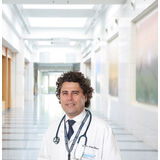
Ökmen stated that the primary goal of cardio-oncology is to identify potential heart problems in cancer patients at an early stage, noting that this allows cancer treatment to continue safely and without interruption.
It is not accurate to say that every cancer patient will experience a heart health problem. However, some heart issues can emerge during cancer treatment, while others may appear years later. Effects related to radiotherapy, in particular, can be seen 10, 15, or even 20 years later.
According to Ökmen, one of the most common heart problems encountered during cancer treatments is heart failure resulting from a decrease in the heart's pumping power. In addition, heart attacks, blood clots, arrhythmias, pericarditis, and heart valve problems are among the risks that can be seen during the treatment process.
HIGH-RISK PATIENTS SHOULD BE MONITORED WITH PRIORITY
Stating that two patient groups stand out in cardio-oncological evaluation, Ökmen said the first group includes patients with a history of hypertension, heart attack, or heart failure; those who have had coronary stents placed or have undergone bypass surgery. Individuals with a family history of heart disease and those with significant cardiovascular risk factors are also included in this group.
The second group consists of patients who, despite having no known heart disease, are set to use risky chemotherapy or smart drugs that could affect heart function. These patients can be monitored regularly with echocardiography and sensitive heart-specific blood tests.
Ökmen noted that high-risk patients should be evaluated by a cardiologist before chemotherapy, radiotherapy, or surgery. In this evaluation, the heart's pumping power is measured, potential problems are examined via electrocardiography, and the patient's suitability for the planned treatment is assessed.
Emphasizing that the approach suggesting cancer patients should remain inactive or consume high-calorie diets is incorrect, Ökmen recommended walking for 30 minutes a day, five days a week, in accordance with the patient's strength and pace. Avoiding excessively caloric and salty foods and following a balanced Mediterranean-style diet plan are also considered important for protecting heart health.
News Source: 12punto