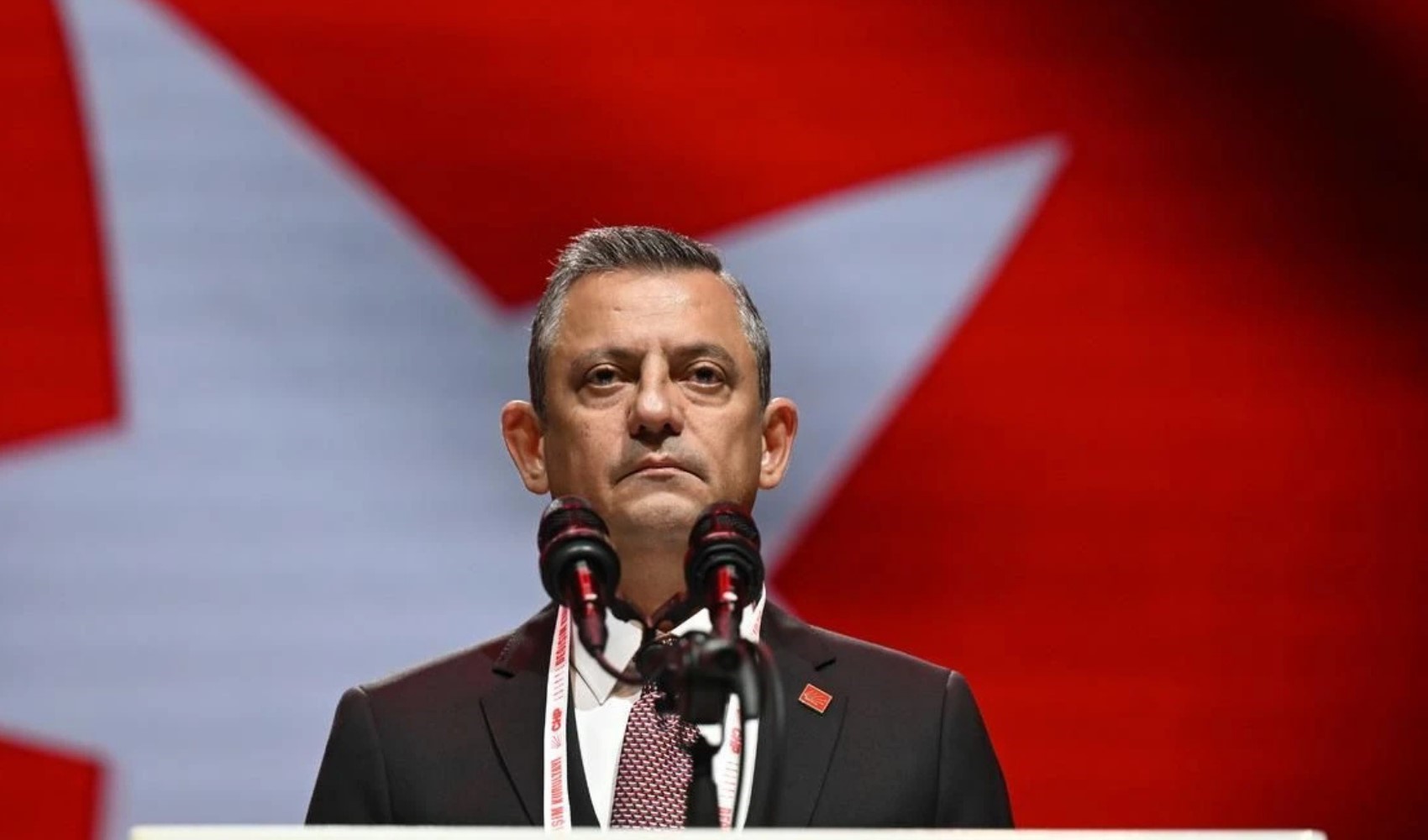
Following the absolute nullity decision issued by the Court of Appeal on May 21, Özgür Özel, who was removed from his position as CHP Chairman, resigned from his party and founded the New Party with 91 deputies, including himself.
With the official establishment petition submitted to the Ministry of Interior, the balance of power in the Grand National Assembly of Turkey (TBMM) has shifted. The New Party has become the second-largest party in Parliament after the AKP in terms of the number of seats and the new main opposition party.
Following the new formation, one of the most debated topics has been whether the party can receive state aid from the Treasury. According to current legislation, simply forming a group in Parliament or having a high number of deputies is not considered sufficient for treasury aid for a party that has not previously participated in a general election.
According to the additional Article 1 of the Law on Political Parties No. 2820, state aid is calculated based on the valid vote percentage that parties received in the last parliamentary general election. To benefit from the aid, the party must have participated in the last general election and received at least 3 percent of the valid votes.
WHAT DOES THE CURRENT LAW SAY?
Election Law Journal Editor-in-Chief Assoc. Prof. Dr. Fatih Güler stated that under the current regulation, merely having a political party group or a certain number of deputies is not enough to receive state aid. According to Güler, the New Party's ability to receive treasury aid is only possible through an amendment to the relevant law.
In this context, as long as the current law does not change, the New Party will not be able to benefit from Treasury aid without exceeding the 3 percent vote threshold in the first general election. While parties that receive 7 percent or more of the votes are fully included in the aid calculation, a more limited payment is made to parties that receive between 3 and 7 percent of the votes.

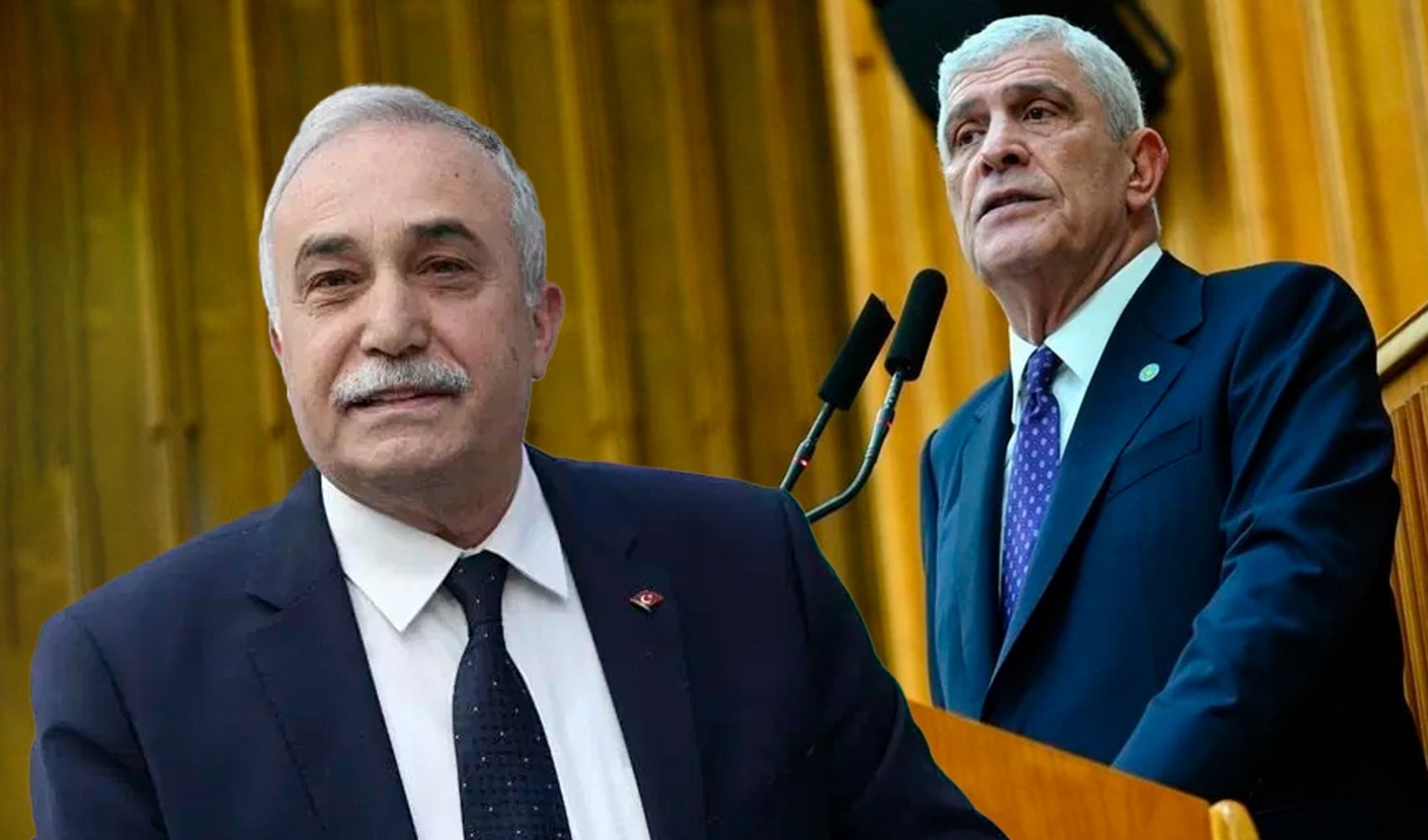
Following the establishment of the New Party, the distribution of seats in the TBMM was reshaped. Accordingly, while the AKP ranks first with 277 deputies, the New Party has risen to second place with 91 deputies. The DEM Party has 56 seats, the MHP has 46, and the CHP has 44. The IYI Party is represented in Parliament with 29 deputies, and the New Path Party with 20.
One of the statements that fueled the debate came from MHP Chairman Devlet Bahçeli. In his assessment on July 23, Bahçeli said it would be "ethical" to transfer a share of the 1 billion 815 million lira treasury aid paid to the CHP in 2026, in proportion to the number of deputies who left the CHP and joined the New Party.
Murat Emir, a former CHP Parliamentary Group Deputy Chairman who is among those who joined the New Party, called on Bahçeli to "take concrete steps" on this issue. However, according to experts, transferring a portion of the state aid already given to the CHP to the New Party does not appear legally possible without a clear legislative regulation.
WHAT HAPPENS IF THE LAW CHANGES?
Fatih Güler stated that there is no constitutional obstacle to Parliament changing the provisions regarding state aid to political parties. Güler emphasized that the Constitution sets the general principles in this area, while the details are regulated by law.
According to Güler's assessment, if a will in this direction emerges in Parliament, a regulation could be made that would allow the New Party to receive treasury aid in a short time. However, as long as such a change is not made, the party's current number of seats will not, by itself, result in eligibility for treasury aid.
The system of state aid to political parties in Turkey has changed many times over the years. The first legal basis was established in 1965. In 1971, the Constitutional Court annulled some regulations. In 1983, the Law on Political Parties No. 2820 came into effect, and the principles of aid were redefined.
With the amendment made to Article 68 of the Constitution in 1995, the provision that "sufficient and fair financial aid" would be provided to political parties was placed under constitutional guarantee. Until 2005, some parties that did not receive enough votes in the election could also receive treasury aid based on their number of deputies in Parliament. However, this opportunity was abolished in 2005, and the vote percentage received in the general election became the basis for aid.
The last significant change was made in 2014. The vote percentage required to benefit from treasury aid was lowered from the election threshold level to 3 percent. For this reason, the key point in the New Party debate stands out as the current law's reliance on the vote requirement in the election, rather than the party's strength in Parliament.
News Source: 12punto