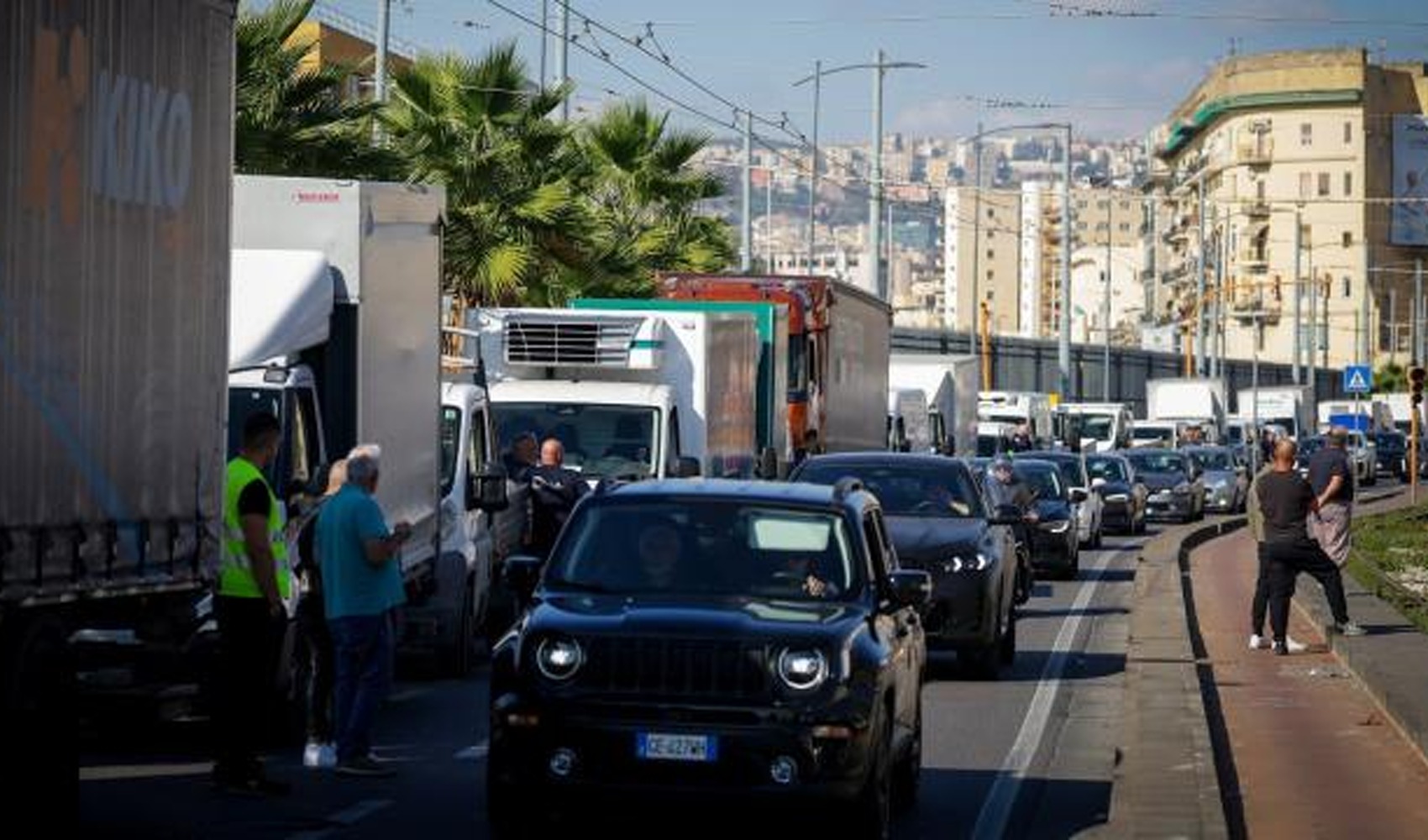
Road blockades by truckers protesting high diesel prices in southern Italy have caused widespread disruptions in the supply chain. While actions continue in the Campania, Calabria, and Puglia regions, truckers in Sicily have ended their protests.
The blockades are particularly affecting the agriculture and food sectors. Near Naples, restricted access to the A1 motorway, which leads to Caserta—known as the hub of mozzarella production—has caused heavy traffic congestion. Agricultural organizations have warned that if shipments remain halted, businesses could face economic losses that would be difficult to reverse.
MOZZARELLA PRODUCTION ALSO DISRUPTED
Due to the road closures, milk cannot be transported from farms to dairies. Because production regulations require milk to be processed within 60 hours, the inability to transport it to dairies has led some facilities to suspend production since Tuesday. While farmers continue milking, the storage of the milk has also become a separate issue.
It is reported that the disruptions are not limited to buffalo mozzarella but have also spread to the shipment of seasonal fruits and vegetables. It is stated that losses are occurring in perishable products such as tomatoes because transport cannot be carried out.
Federdistribuzione, which represents major retailers, announced that there are disruptions in the supply chains for fresh and perishable products. It was reported that supermarket shelves remained empty in some regions, and there was a shortage of jet fuel at the Reggio Calabria and Crotone airports.
The protests were not limited to transport. Fishing fleets at the Port of Ancona also halted their operations to protest rising diesel prices.
The Italian government has allocated approximately 1 billion euros in support for the trucking sector. Deputy Minister of Transport Edoardo Rixi said that 480 million euros of this amount began to be distributed on Tuesday. However, despite the support measures, actions in Campania, Calabria, and Puglia continue.
The Campania Mozzarella Consortium represents a supply chain covering approximately 1,600 farms. According to the consortium, certified production reached approximately 57 thousand 600 tons in 2025; about 36 percent of the production is exported.
News Source: 12punto