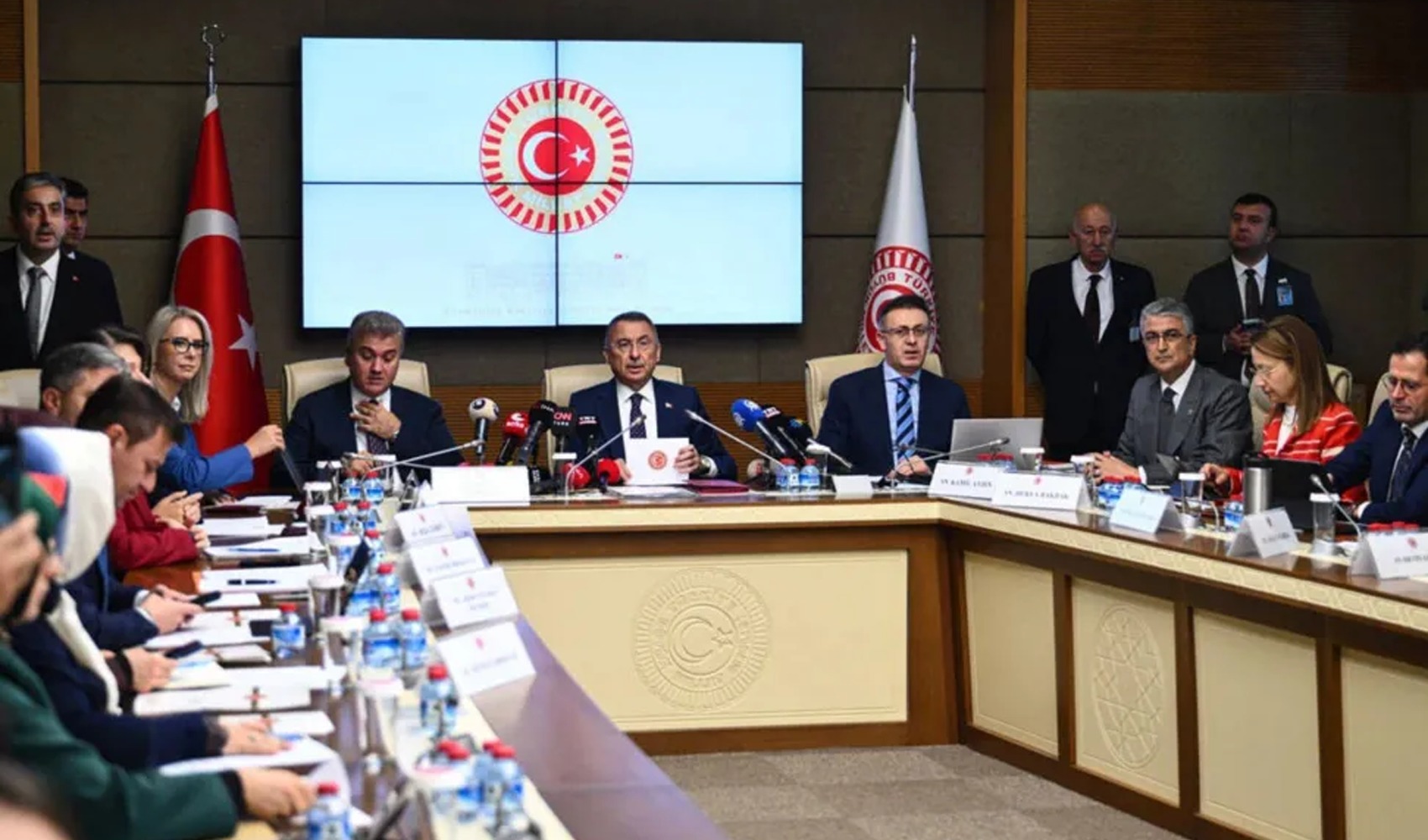
The bill regarding the ratification of the joint defense agreement signed between Turkey, Saudi Arabia, and Pakistan has been approved by the Foreign Affairs Committee of the Grand National Assembly of Turkey (TBMM). Having passed the committee stage, the regulation will now move to the General Assembly agenda.
The text, referred to in the public sphere as the "Mecca Agreement," is defended by the government within the framework of "joint defense" and "deterrence." However, criticisms that the agreement could intersect with Saudi Arabia's military policies in Yemen are fueling the debate.
The agreement establishes a security framework that stipulates an attack on one of the parties shall be considered an attack on the others. Increasing coordination between armed forces, cooperation in the defense industry, and the deployment of military capabilities when necessary are also among the provisions of the mechanism.
DEBATE OVER MILITARY DEPLOYMENT TO SAUDI ARABIA
At the center of the debate is the meeting of the Mecca Alliance Strategic Political and Defense Committee held in Riyadh on October 5. Minister of Foreign Affairs Hakan Fidan, Minister of National Defense Yaşar Güler, and Chief of General Staff Selçuk Bayraktaroğlu also attended the meeting.
It was stated that at the meeting in question, it was decided to take the necessary measures for the rapid deployment of military forces and capabilities to Saudi Arabia. This step has placed the administration in Riyadh at the center of criticism due to its military activities against Ansar Allah in Yemen.
The Ministry of National Defense announced that the process regarding the military forces and capabilities that Turkey may provide will be carried out within the framework of the constitution and relevant legislation. Minister of Foreign Affairs Hakan Fidan had previously stated that Turkey could meet some of Saudi Arabia's technical military needs.
In his statement on October 8, Fidan argued that the agreement would not require Turkey to send troops for the purpose of attacking another country. Nevertheless, the decision to deploy military capacity to Saudi Arabia has raised questions about how the agreement will be implemented in practice.
At the root of the criticisms lies the risk of Turkey becoming a party to the conflict in Yemen beyond a possible defense obligation. Saudi Arabia's military interventions in Yemen since 2015 are associated with the deepening war and humanitarian crisis in the country.
It has not yet been clarified when the bill will be addressed in the General Assembly. During the deliberations, it is expected that the scope of the agreement, the limits of military obligations, and whether Turkey will be involved in regional conflicts will be the prominent topics.
News Source: 12punto