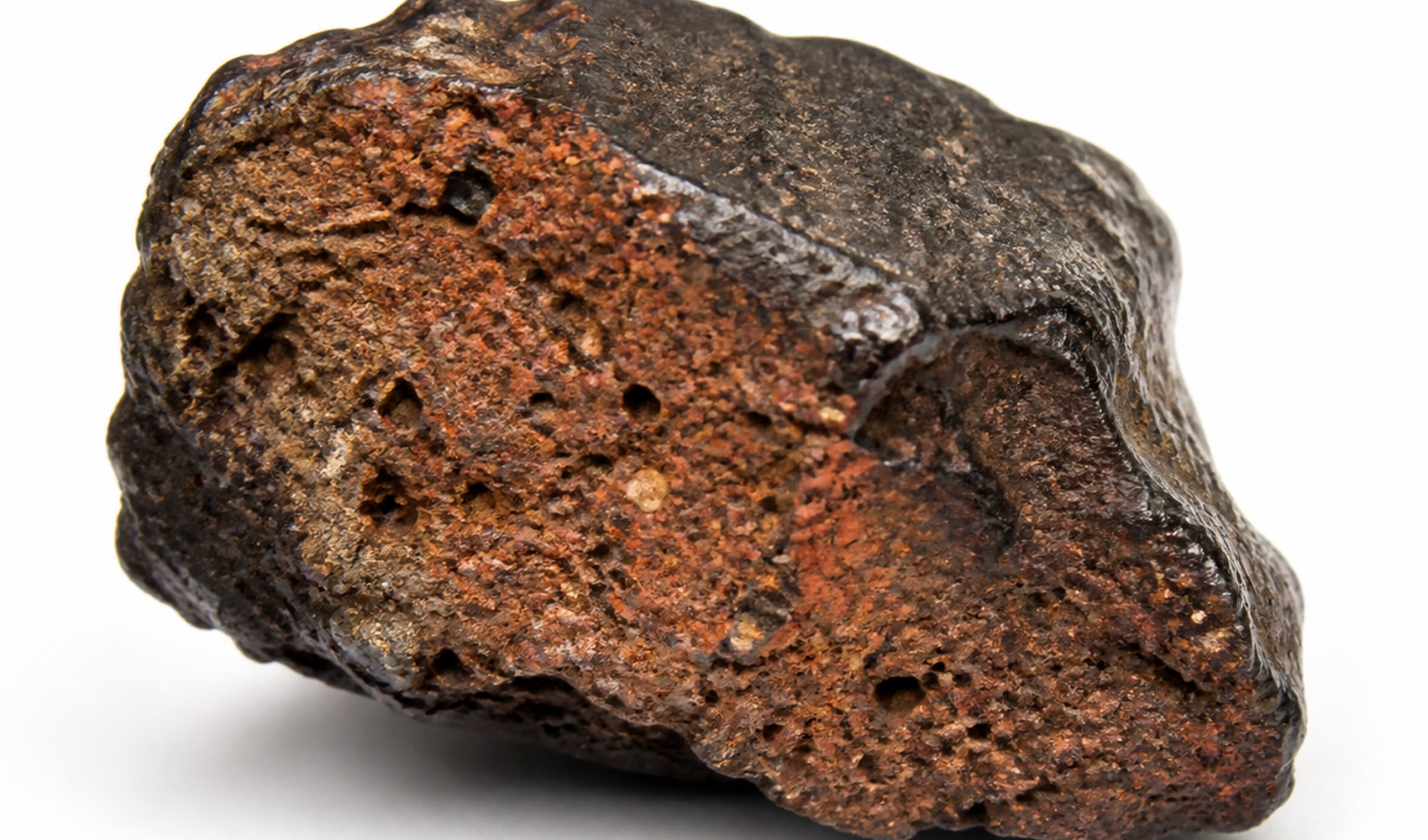
The Martian meteorite named Teghaza 001, found in the Sahara Desert in Mali, has provided remarkable findings regarding the very early periods of the Red Planet. Scientists have detected traces in the mineral and chemical structure of the meteorite, which has been determined to be at least 4.1 billion years old, that point to the presence of water in the Martian crust.
Discovered in 2022, the meteorite consists of eight fragments with a total weight of 798.5 grams. In their analyses of the samples, a team that included NASA researchers obtained data suggesting that the rocks may have interacted with water in the past.
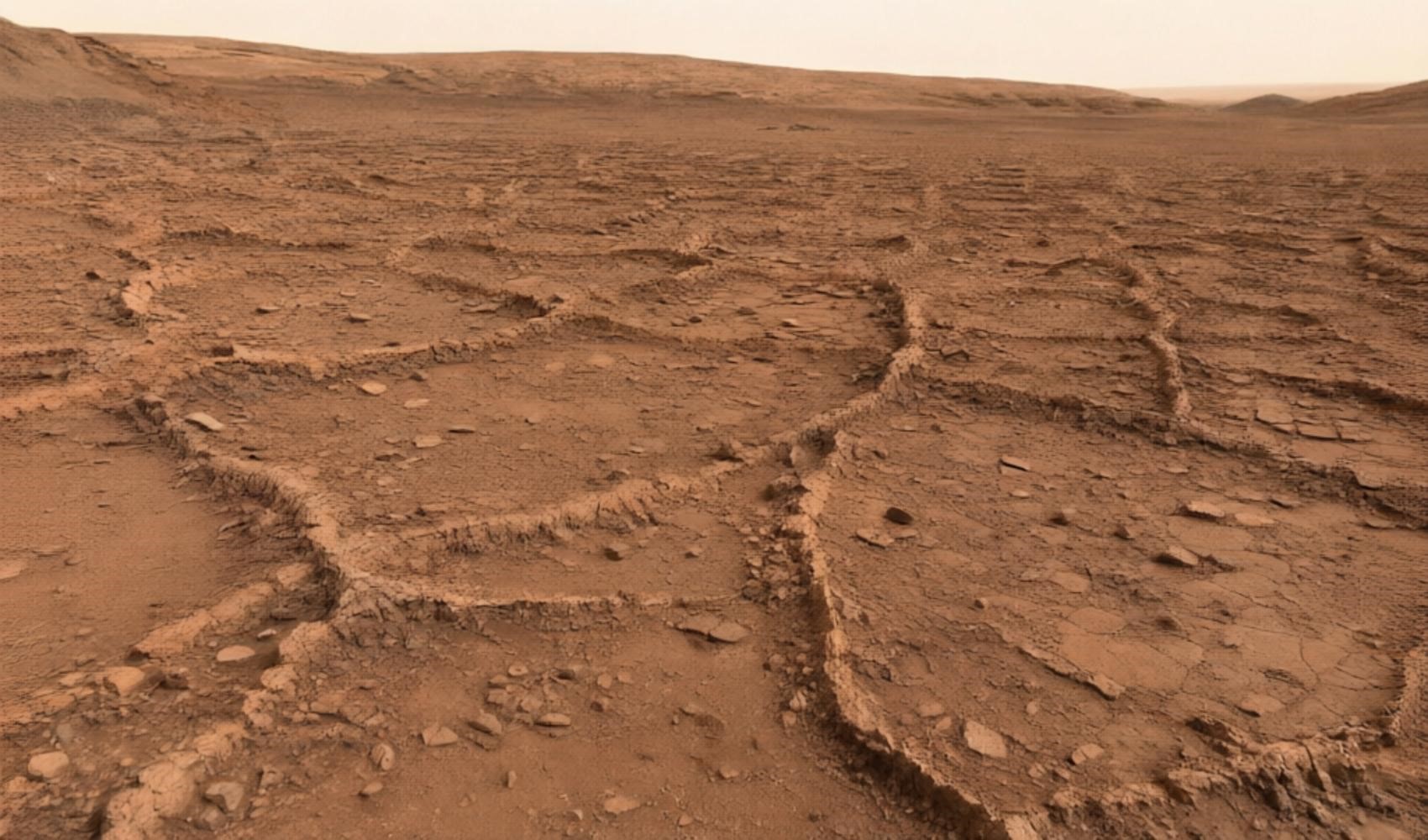
THE ORIGIN OF THE METEORITE IS BEING INVESTIGATED
Researchers compared the mineral and chemical properties of Teghaza 001 with data obtained from Mars. According to initial assessments, it is believed that the meteorite may have broken off from one of 13 different points located in the planet's southern highlands.
Scientists assess that the rock may have been separated from the surface and ejected into space due to the impact of another celestial body hitting Mars. Such samples allow for the study of the planet's geological history even without samples brought directly from the Martian surface.

The discovery adds new data to questions about how water existed in the Martian crust during the early periods of Mars and how it interacted with rocks. It is stated that the findings could contribute to research aimed at understanding why Mars became arid over time and how Earth continued to harbor water.
News Source: 12punto