

A new cat species discovered
A small wild cat studied in the Yungas forests has been identified as a new species within the oncilla group through genetic analysis.



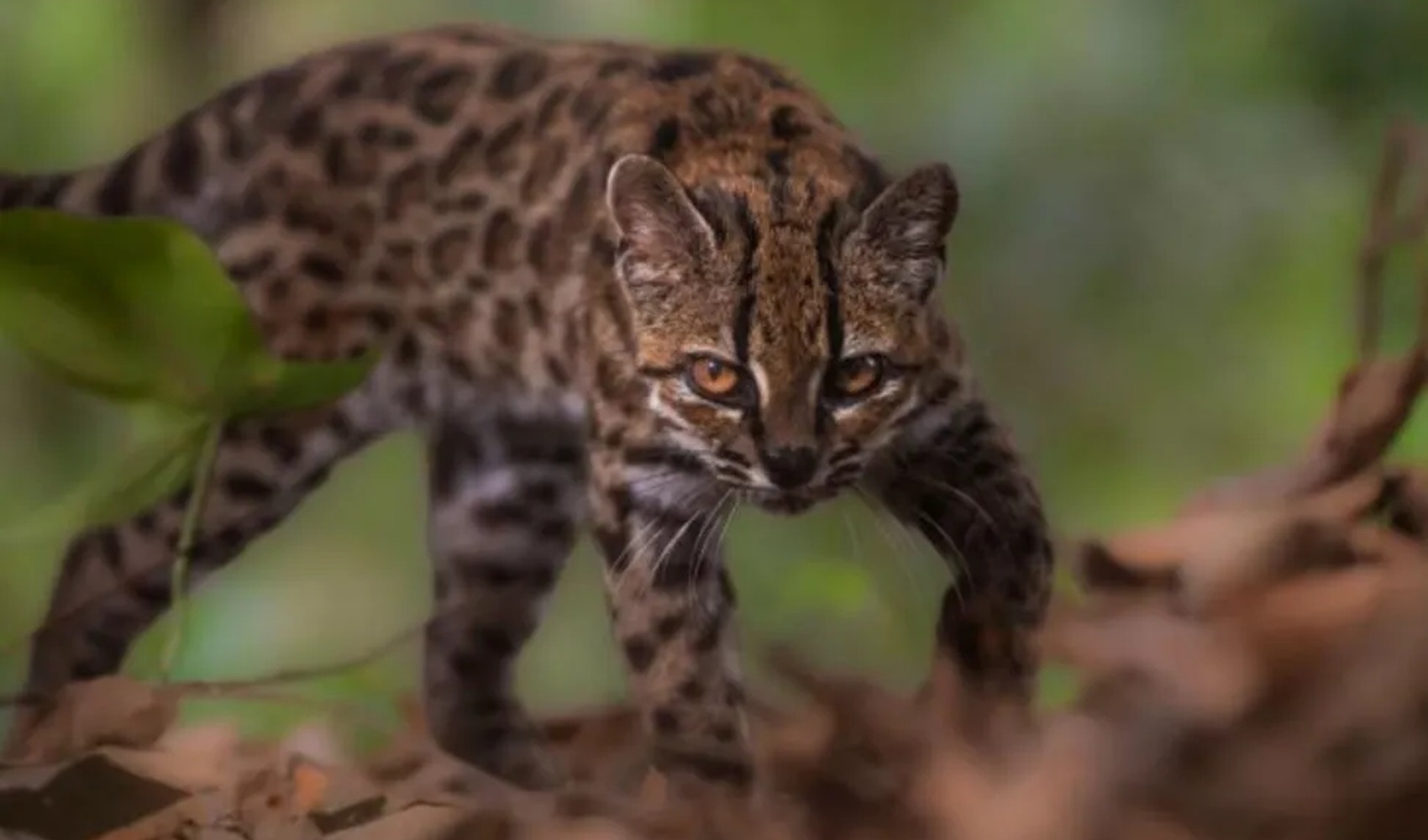
A small wild cat brought to a wildlife refuge in Bolivia, whose species could not be determined at first glance, has become the subject of a discovery that has drawn attention in the scientific world. Researchers reported that, as a result of genetic examinations, the animal is a completely new, previously unidentified cat species within the oncilla group.
The discovery is significant as it marks the first time a new felid species has been described in over 100 years. It was stated that the new species, which is related to the oncillas found in South America, lives in the mountainous and highly humid Yungas forests of Bolivia.
The cat, reported to be approximately 46 centimeters long and weighing 1.4 kilograms, has irregular rosette patterns on its light brown fur. Researchers note that information regarding the species' biology is still limited; they point out that rodent remains found in fecal samples indicate its diet, while camera traps suggest it may be more active at night.
GENETIC ANALYSES CHANGED THE FAMILY TREE
An international research team examined the DNA of 38 cat samples taken from different regions of South America and museum collections. The study revealed that oncillas have a more complex structure than previously thought and that the group consists of five distinct species that are genetically separated from each other.
In the analyses, it was determined that the lineage referred to as Tilcayo diverged from other oncillas approximately 1.4 million years ago. Researchers also identified a new oncilla subspecies in the Yungas region of Peru, named Leopardus tigrinus antisuyo.
These findings are also expected to influence assessments regarding the conservation of oncillas. According to experts, the separate identification of lineages previously treated under a single species may require the conservation statuses on the IUCN Red List to be reviewed for each lineage.
The Yungas forests, which are the habitat of the new species, face pressures such as deforestation, agricultural expansion, human-induced fires, and mining. Scientists emphasize that restoring fragmented forest areas and protecting ecological connections between habitats are among the urgent priorities.
Eduardo Eizirik, one of the senior authors of the study, stated that the ability to discover new species even in a relatively well-known group of living things like cats serves as an important warning. According to Eizirik, there are still many species in the world waiting to be identified, and some of them face the risk of extinction before their existence is fully understood.
News Source: 12punto
Most Read

Results of the night in the Europa League are in

The Spanish Super Cup Istanbul schedule has been announced

Stations ask EMRA about prices that don't fit on signs

Police Chiefs Decree Published in the Official Gazette

Statement from the Ministry of Youth and Sports on Galatasaray

Erdoğan-Trump meeting to be held in New York

Ümit Özdağ files criminal complaint over signs in Diyarbakır

Viewer backlash forces Tuzlu Kahve production team to backtrack

The Kaşif Kozinoğlu enigma!

Famous contractor appears in court after 8 years... But how?!