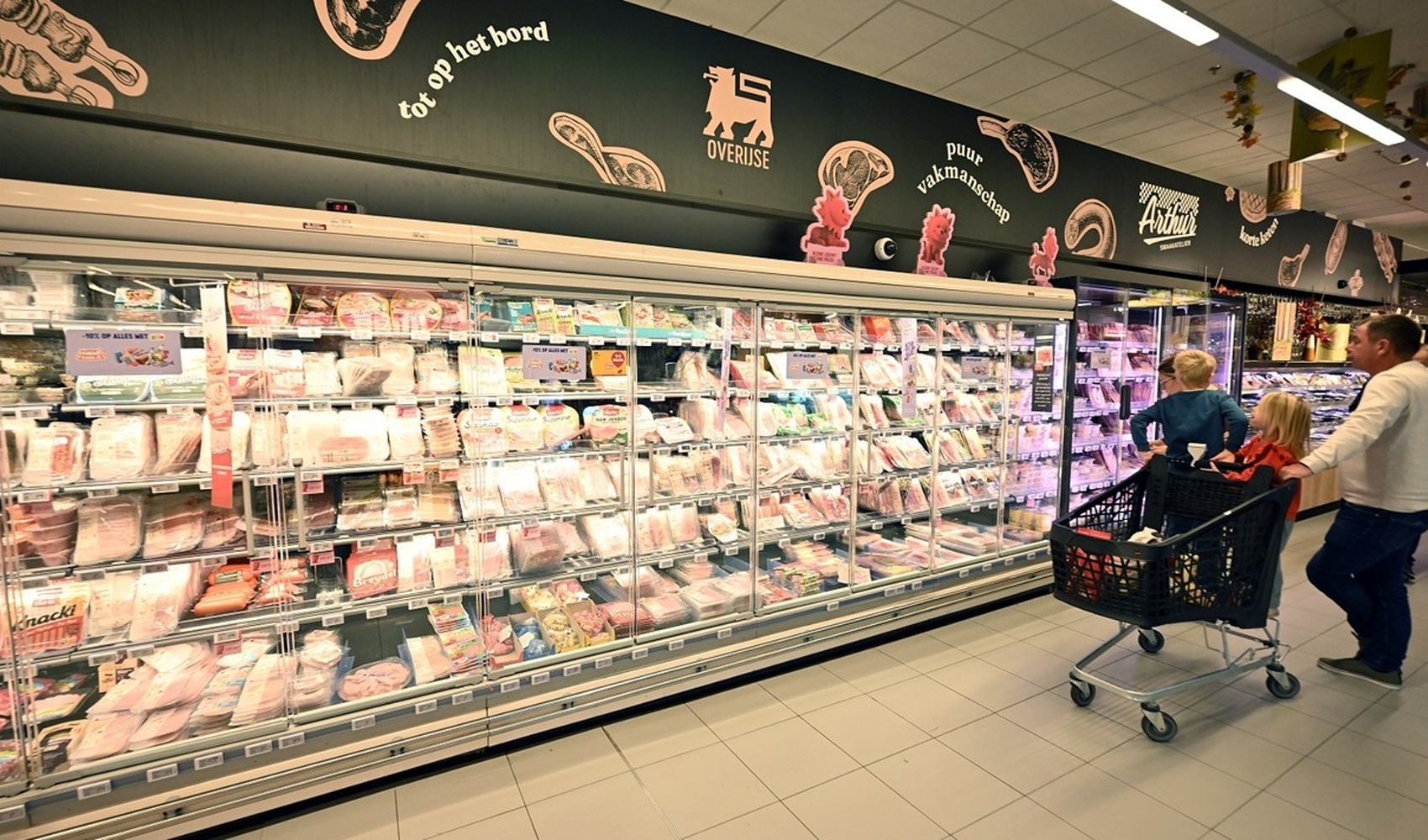
New malfunctions affecting the cooling systems of supermarkets in Europe have brought the security of digital infrastructure in food retail back to the agenda. Following the failure of freezers in hundreds of stores in France last month, retailers in Belgium, Estonia, Finland, Ireland, Luxembourg, the Netherlands, and Sweden reported similar issues on Monday, November 2.
It was reported that in many stores, refrigerators and freezers were operating at temperatures above normal, some devices began blowing hot air, and products that needed to be kept in the cold chain spoiled. In the case in France, it was stated that the temperature of some cooling units was raised to 50 degrees, and similar disruptions occurred in more than 100 stores in different European countries.
The source of all the malfunctions has not yet been finalized. However, experts assess that the events bear the typical characteristics of cyberattacks. While the Belgian Federal Prosecutor's Office has launched an investigation, it has not announced that the malfunctions were definitively caused by a cyberattack. European Commission spokesperson Louise Bogey said the developments show "how cyberattacks can disrupt services, affect businesses, and directly harm the daily lives of citizens."
THREAT ON THE MARKET SHELF: REMOTELY CONTROLLED COOLING
Many cooling systems used in large retail chains can be monitored remotely via connection to central software, and temperature settings can be managed over an internet connection. While this structure provides operational convenience, it can create security vulnerabilities, especially in older equipment.
Sean Tufts, Technology Director at New York-based cybersecurity firm Claroty, stated that there is a serious legacy issue stemming from old systems in the food and beverage sector, noting, "Historically, these types of systems were always offline." In the incident in France, it was announced that systems from three different manufacturers that could be controlled remotely were targeted.
Danfoss, one of the affected manufacturers, reported that most of the units subject to the malfunction were old and did not have the software updates commonly used today. Brecht Stinkens, manager of a Delhaize store in Hoeilaart, Belgium, explained that alarms began ringing in some refrigerators at 4:00 a.m. on Monday, saying, "Considering what happened 14 days ago, I already understood what was happening." Stinkens estimated the damage in his store due to spoiled products to be approximately 100 thousand euros.
According to cybersecurity experts, such attacks in food retail do not only lead to financial losses for companies; they also have the potential to create insecurity in society by disrupting daily consumption chains. Richard Jones, Professor of Criminology at the University of Edinburgh, stated that food security is often taken for granted in Western countries, noting that the events serve as "a warning."
WHICH COMPANIES WERE AFFECTED?
Dutch company Ahold Delhaize announced that refrigerators and freezers were affected in dozens of Delhaize stores in Belgium and Luxembourg. Carrefour reported that issues occurred in about 15 of its 700 stores in Belgium. Colruyt Group confirmed that refrigerator systems were attacked in five Spar stores in Belgium.
Swedish company Coop announced that cooling systems were affected at varying levels in seven of its 800 stores and confirmed that the incident was caused by a cyber event involving unauthorized access to cooling systems. IKEA also announced that it was affected by a cyberattack targeting the control mechanisms of cooling systems at a store in Mons, Belgium.
In Ireland, Musgrave reported that cooling systems were affected in 13 SuperValu stores and that some chilled or frozen foods were removed from sale. The Belgian meat chain De Laet And Va Haver announced that the refrigerator temperature in its store in Hove rose to 18 degrees and that approximately 15 thousand euros worth of meat products spoiled.
News Source: 12punto