

Magnetic plaster that lets you hang items without drilling walls
Developed in Argentina, Ironplac aims to allow hanging items without drilling holes in walls by using a cement coating that magnets can adhere to.



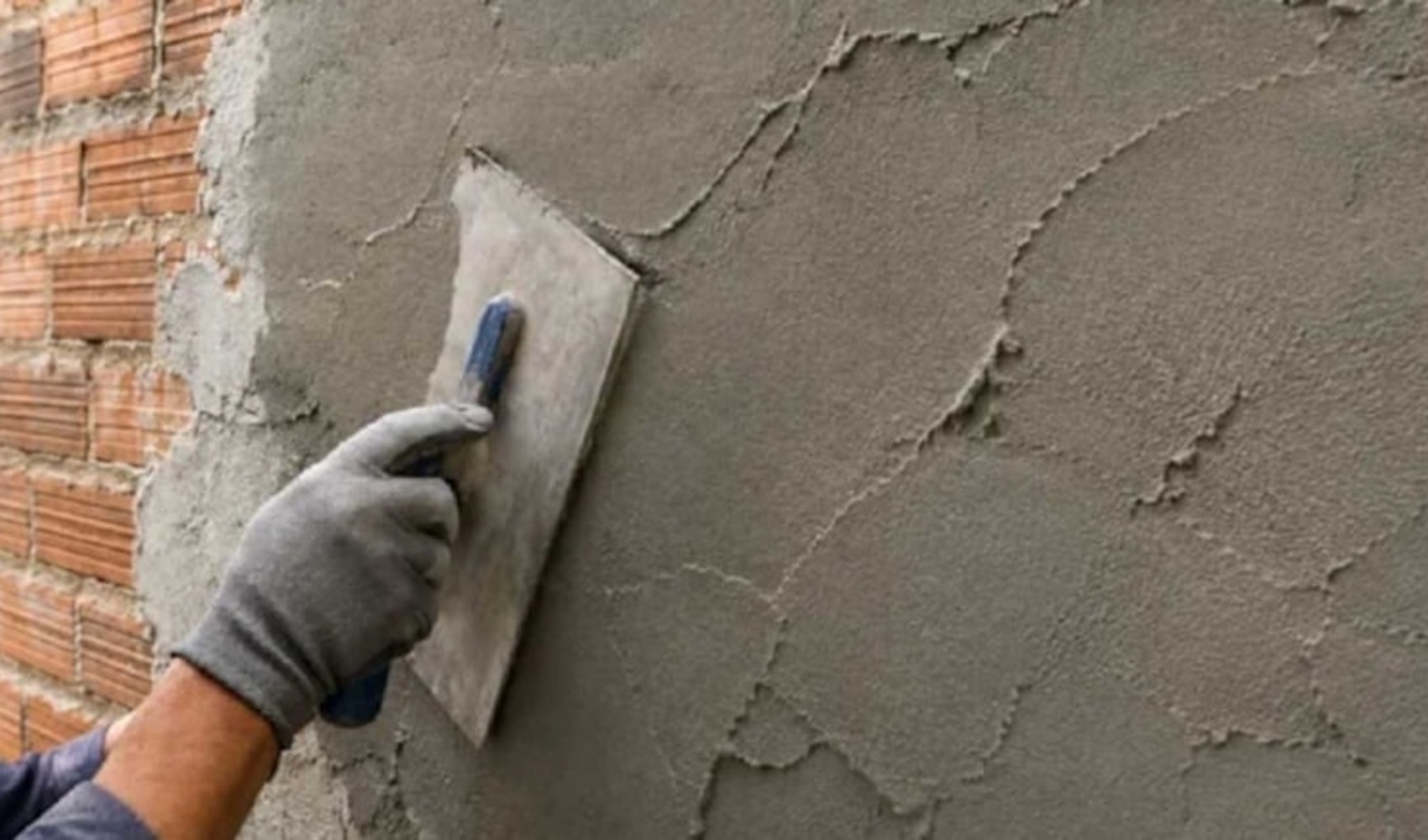
Ironplac, a cement coating developed by a 29-year-old engineering student in Argentina, aims to make it possible to hang items without drilling holes in walls. Applied like ordinary plaster, the material creates a layer that allows magnets to adhere to the surface thanks to the iron and mineral fillers added to it.
The product stands out as an alternative to the problems frequently faced by tenants, such as using drills, wall plugs, and screws, and the subsequent need to patch up the resulting holes. Ironplac's goal is to enable the repositioning of shelves, decorative objects, or similar items without making permanent interventions to the wall.
THE WALL DOES NOT GENERATE A MAGNETIC FIELD
Technically, Ironplac does not turn the wall into a magnet. The surface itself does not attract metal objects or create a magnetic field. The system's working principle is based on the magnet brought close to the iron-containing coating adhering to the surface.
For this reason, the system can be described as a wall surface suitable for magnets to adhere to rather than a “magnetic wall.” A similar logic is seen in refrigerator doors; the holding force does not come from the surface, but from the magnet in contact with the surface.
One of the points that makes the project remarkable is that this well-known physical interaction is being scaled to wall plaster. In the examples shared by the developer, heavier objects such as a shovel attached to the surface with a magnet are also shown. This example reveals that the product targets a more ambitious area of use than classic magnetic paints.
The material is prepared in powder form, mixed with water, and applied like a thin layer of plaster. When it dries, it looks like an ordinary wall surface from the outside. It is stated that different versions of the project for wet plaster and dry panel systems are also being worked on.
The idea behind Ironplac is not limited to the convenience of hanging items. The developer argues that walls can be transformed from fixed and non-functional surfaces into surfaces that can adapt to changes in living spaces. This approach carries the claim of creating more flexible and rearrangeable usage areas in interiors.
However, there are important questions that need to be answered for the product to become a widespread building material. At this stage, there are no standardized and publicly available independent test results regarding how long Ironplac can safely carry different weights.
The safety of an object hung on a wall is not measured only by its ability to be carried at the first moment. Factors such as temperature change, humidity, load over time, and force constantly applied to the same point are also considered critical in terms of durability. Furthermore, more data is needed on topics such as cost, compliance with building regulations, and comparison with alternative hanging systems.
For this reason, Ironplac currently stands out as a remarkable material idea with working prototypes rather than a proven building product sold on the market. When independent engineering tests and cost analyses are completed, it will be clearer to what extent the system can offer a practical solution for tenants and interior design.
News Source: 12punto
Most Read

Airport flooded, disaster captured from the air

A new era in the Katılımevim and Birevim process
AKP increased its votes, the decline in the New Party drew attention

Yemen, Yemen; Glorious Yemen...

The Fed dilemma in the fund crisis

Moral decay and the government

BRSA decision on Bank Mellat

An assessment of the indefinite alimony debate

Another piece of bad news for Fenerbahçe!

Surprise invitation from Aziz Yıldırım to Ali Koç