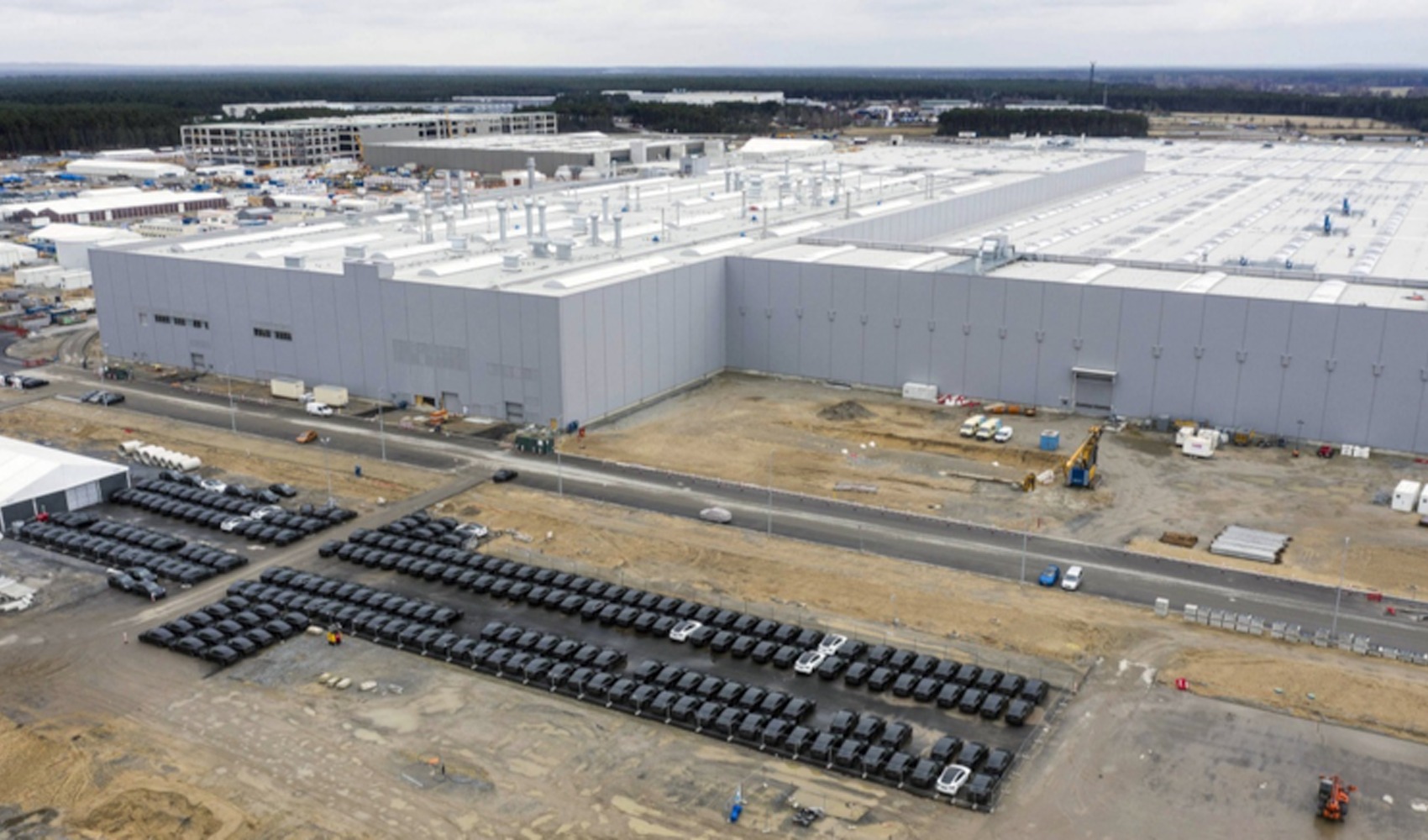
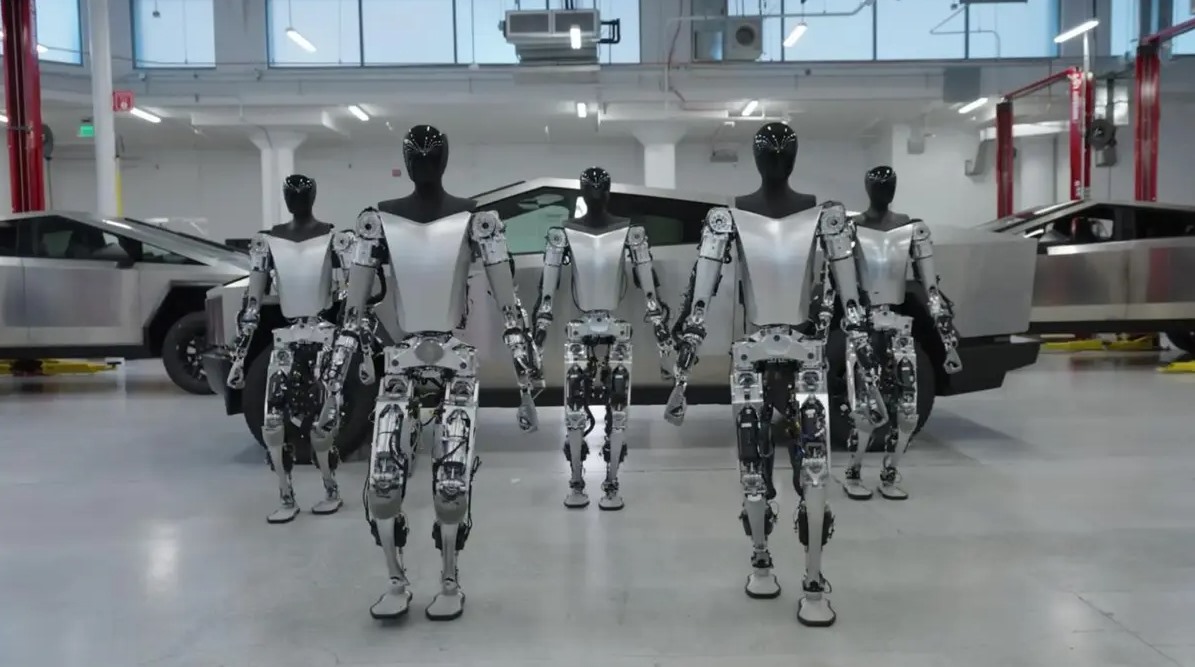
Tesla has moved into the mass production phase for its humanoid robot project, Optimus. The company has begun rolling robots off the production line by reconfiguring certain areas previously used for vehicle manufacturing at its Fremont factory in California.
Tesla CEO Elon Musk announced that the company aims to reach a production capacity of 20,000 units per week for Optimus by the end of 2027. This target demonstrates that the company is expanding its ambitions in the fields of robotics and artificial intelligence alongside its electric vehicle production.
DURABILITY TEST IN PRODUCTION
According to information in Tesla’s third-quarter 2026 shareholder report, the company has established a production line where it can manufacture robots to commercial standards. However, in his assessment to investors, Musk described the process as an “early production phase.”
For Optimus to see widespread use, hardware reliability must be increased and artificial intelligence software must reach a level capable of performing more complex tasks. Tesla engineers are continuing design improvements to ensure the robots can operate for long periods without failure.
In addition to Optimus, the company is working on a new artificial intelligence infrastructure that will also support self-driving vehicle technologies. Higher computing power is required for the robots to perceive their surroundings and move independently.
With the commissioning of new facilities in Austin, the goal is to increase the supercomputing power used in training the humanoid robots. The commercial sales schedule for Optimus has not yet been finalized, but Tesla’s production move is considered a critical step toward humanoid robots transitioning from factory environments into daily life.
News Source: 12punto