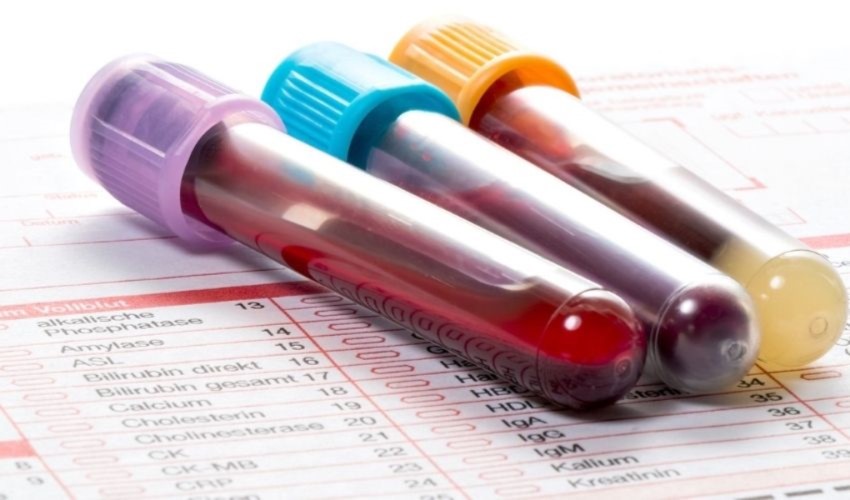
According to a report on the Stanford University website in the US, researchers performed blood tests on approximately 5,700 adults to examine hundreds of proteins in 11 major organs and tissues, including the brain, heart, lungs, liver, intestines, kidneys, blood vessels, immune system, muscles, pancreas, and adipose tissue.
RISK OF DISEASE MAY INCREASE IN INDIVIDUALS WHOSE ORGANS AGE FASTER
Researchers working on whether organs are aging fast or slow stated that identifying rapidly aging organs through blood tests could provide a guide for treatment before clinical symptoms of potential diseases appear.
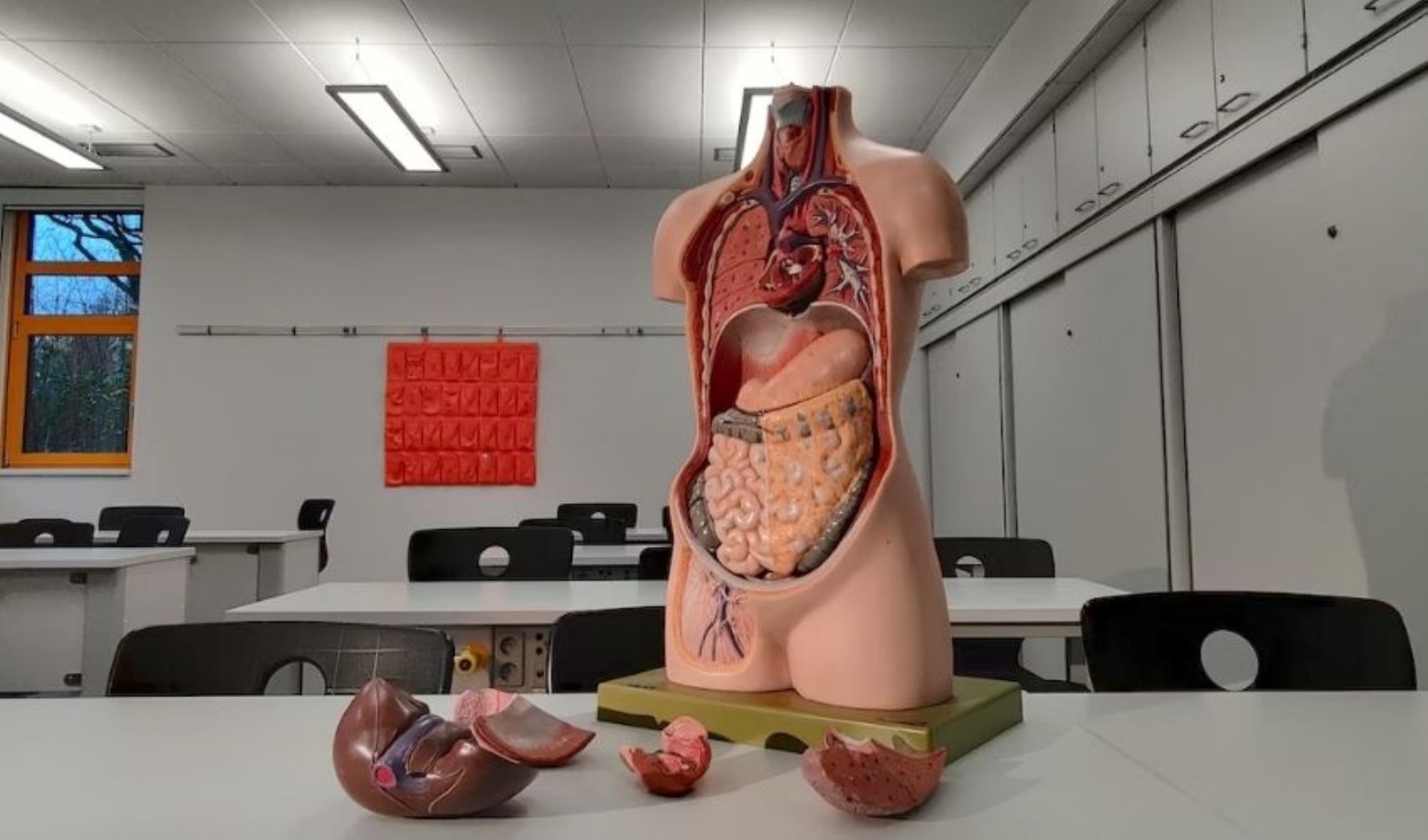
The researchers reported that in individuals whose organs—such as the brain, kidneys, and heart—are "aging faster," the risk of developing diseases associated with these organs is higher than in others.
Noting that the risk of disease is higher in people whose organs are aging faster than their peers, the researchers pointed out that one in every five people aged 50 and over has at least one organ that is aging rapidly.
The study was published in the journal Nature.
News Source: AA