The entry of artificial intelligence assistants into daily shopping and service processes has also sparked a new debate in the food ordering market. The fact that an assistant takes over tasks such as comparing restaurants, searching for coupons, creating a basket, and proceeding to the payment step, and that the order is transmitted directly to the restaurant, is seen as a development that could pressure the commission-based business model of existing delivery platforms.
In this scenario, instead of opening separate food apps, the user can place an order by talking to an assistant similar to ChatGPT. If the order is transferred to the restaurant without passing through a third-party platform, both the commissions paid by the business and the service fees encountered by the consumer are brought back into question.
DIRECT ORDERING MODEL BEING TESTED IN THE US
The US-based startup Bites is one of the notable examples in this field. Working with a team of about 10 people, the company operates with about 300 restaurants in the San Francisco Bay Area. At the center of the model is delivering the customer's order directly to the restaurant instead of through traditional delivery platforms.
Although Bites offers a classic app, it positions itself as an AI-focused service. Users can place orders via ChatGPT from restaurants included in the platform. The company specifically targets users who already know which restaurant they want to eat from; it focuses more on converting an existing preference into an order at a lower cost than on a broad discovery and listing experience.
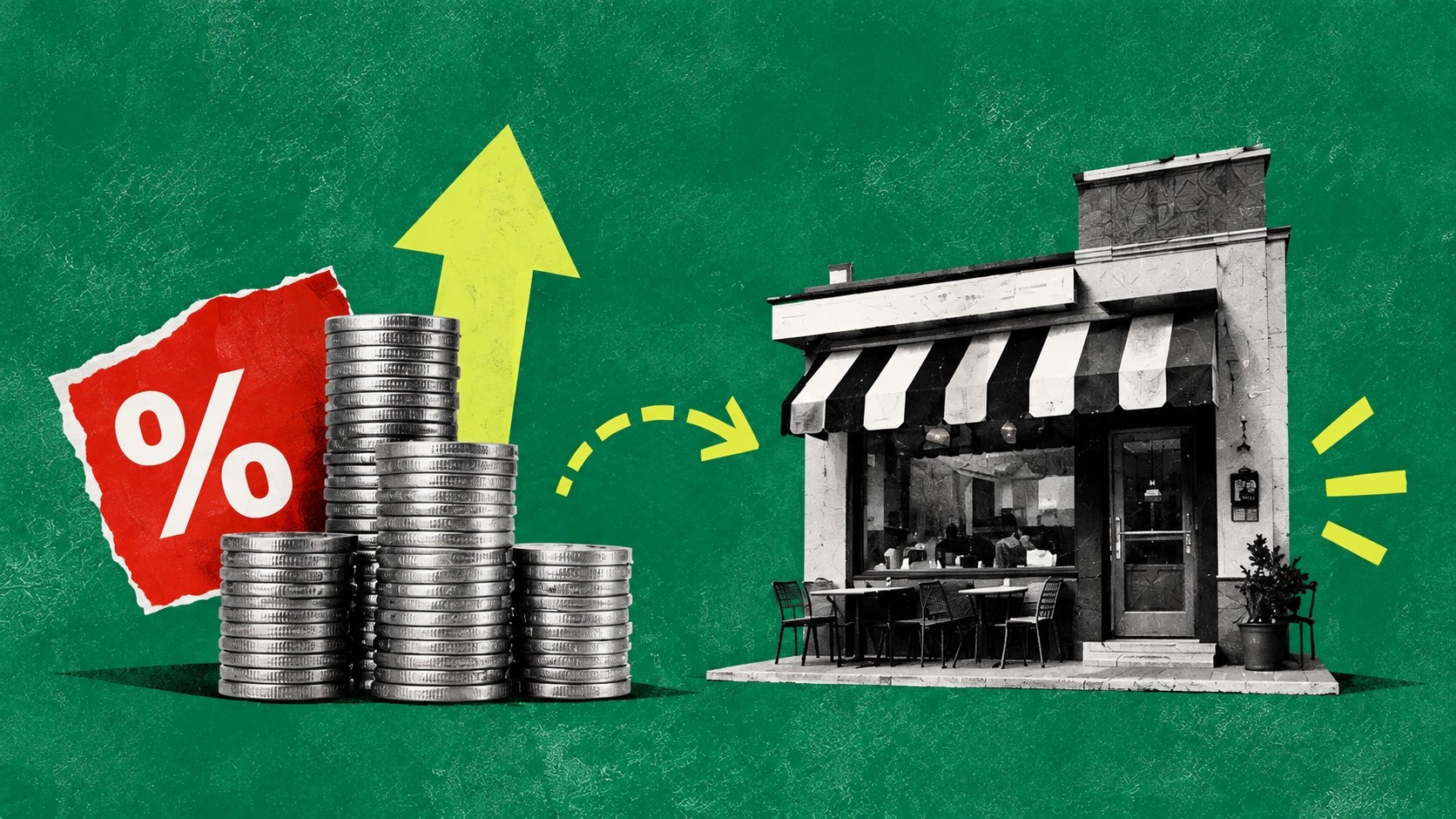
The startup's pricing approach also highlights this difference. Bites states that it applies a flat fee of 1 dollar per order and allows restaurants to keep product prices lower. While this fee is mostly passed on to the customer, some restaurants may choose to cover the cost themselves.
In contrast, large delivery platforms like DoorDash can charge restaurants commissions ranging from 15 to 30 percent per order. For businesses that want more visibility within the platform, these costs can increase. Similarly, in Turkey, restaurants working with platforms such as Yemeksepeti, Trendyol Go, and GetirYemek have to take commissions and service fees into account in their pricing policies.
WHY IS IT IMPORTANT FOR THE TURKISH MARKET?
There is currently no application in Turkey that allows for widespread food ordering via chatbots similar to ChatGPT. However, the size of the market and the cost debates in the restaurant-platform relationship make AI-supported direct ordering models important for Turkey as well.
According to the *Outlook of E-Commerce in Turkey 2025* report published by the Ministry of Trade in May 2026, Turkey's total e-commerce volume increased by 52.2 percent in 2025 compared to the previous year, exceeding 4.5 trillion TL. In the same period, the number of e-commerce transactions reached 5 billion 940 million. In the report, the food sector ranked first in the distribution of businesses operating in the e-commerce ecosystem by sector with 20.3 percent; the sector's 2025 e-commerce volume was recorded as 270.16 billion TL.
The Ministry also announced new regulations for food ordering services on April 13, 2026. With the regulation, it became mandatory for platforms to show the fees they collect from restaurants in detail based on service items. It was aimed to prevent the charging of additional fees for transactions considered natural parts of intermediary services, such as receiving the order, transmitting it to the restaurant, payment processing, and basic infrastructure.
NEARLY 14 DOLLARS DIFFERENCE IN A SINGLE ORDER
The cost difference between Bites and DoorDash is also explained through a sample order. It is stated that a pizza and beverage order placed via Bites through ChatGPT costs 56.73 dollars, including tips, taxes, and delivery fees. It is reported that the total amount reaches 70.29 dollars when the same order is placed via DoorDash.
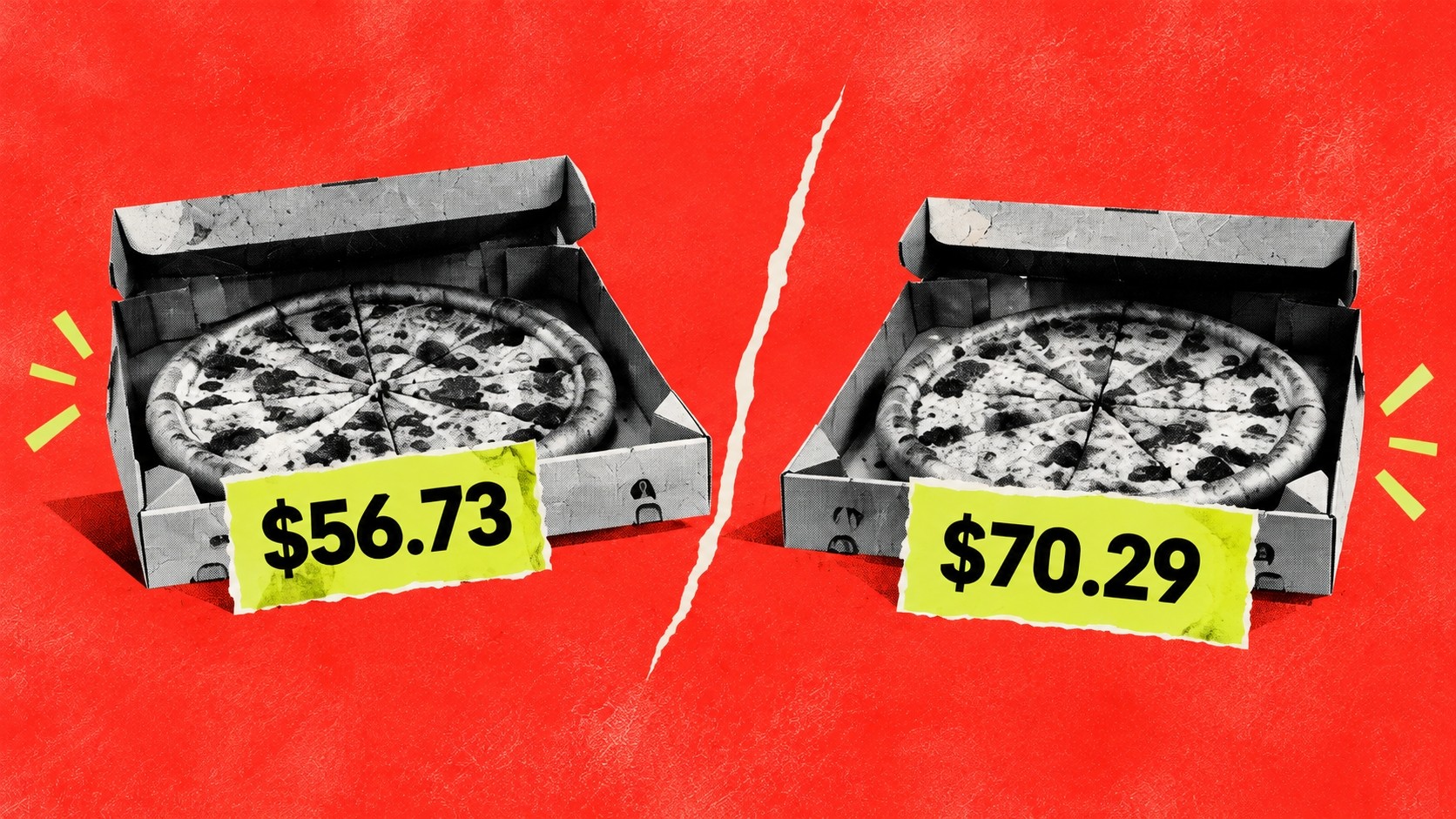
Although the same difference is not expected to emerge in every order, the example shows how commission and brokerage costs can be reflected in consumer prices. According to Bala Subramaniam, co-founder and CEO of Bites, this picture indicates that restaurants need a different business model. The company's co-founders also include Matt Maloney, the founder of Grubhub.
The widespread adoption of the AI-powered ordering model could also change the need restaurants have for in-app advertising and visibility services. While traditional platforms allow users to discover new restaurants, they generate additional revenue through sponsored listings and advertisements. If the user selects a specific restaurant through an assistant, the weight of this visibility economy may decrease.
On the other hand, it is also possible for AI to transform the way existing platforms are used rather than completely disabling them. DoorDash's announcement that it is working on a feature that will allow users to place orders with natural language commands via iMessage shows that large platforms are also seeking to adapt to this change. The real question is who will hold the role of intermediary between the restaurant and the customer when AI takes over the ordering process.
News Source: 12punto