


Orhan Kemal’s 'Luminous Realist' Leftism



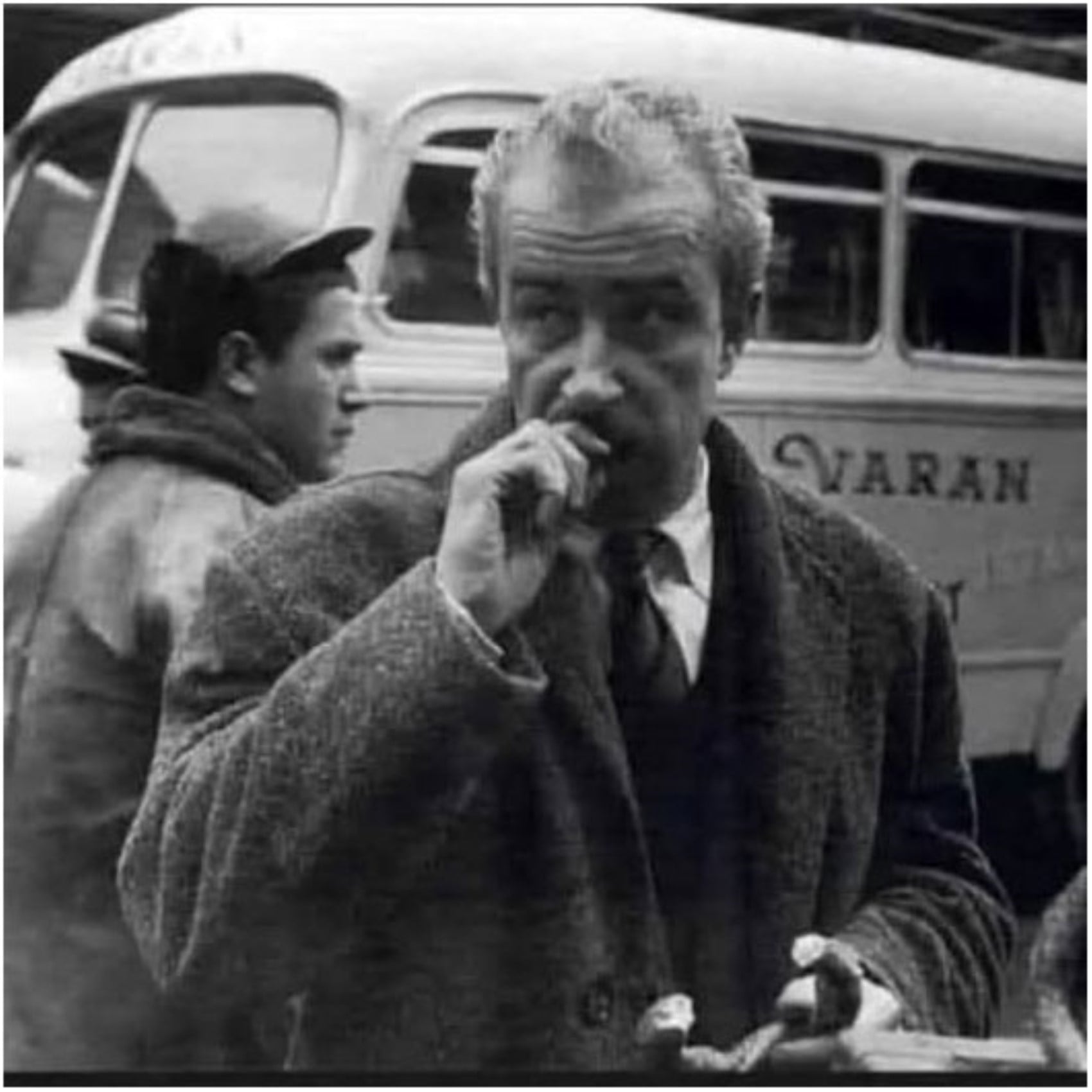
WHY WAS I MOVED AT THE ORHAN KEMAL MUSEUM?
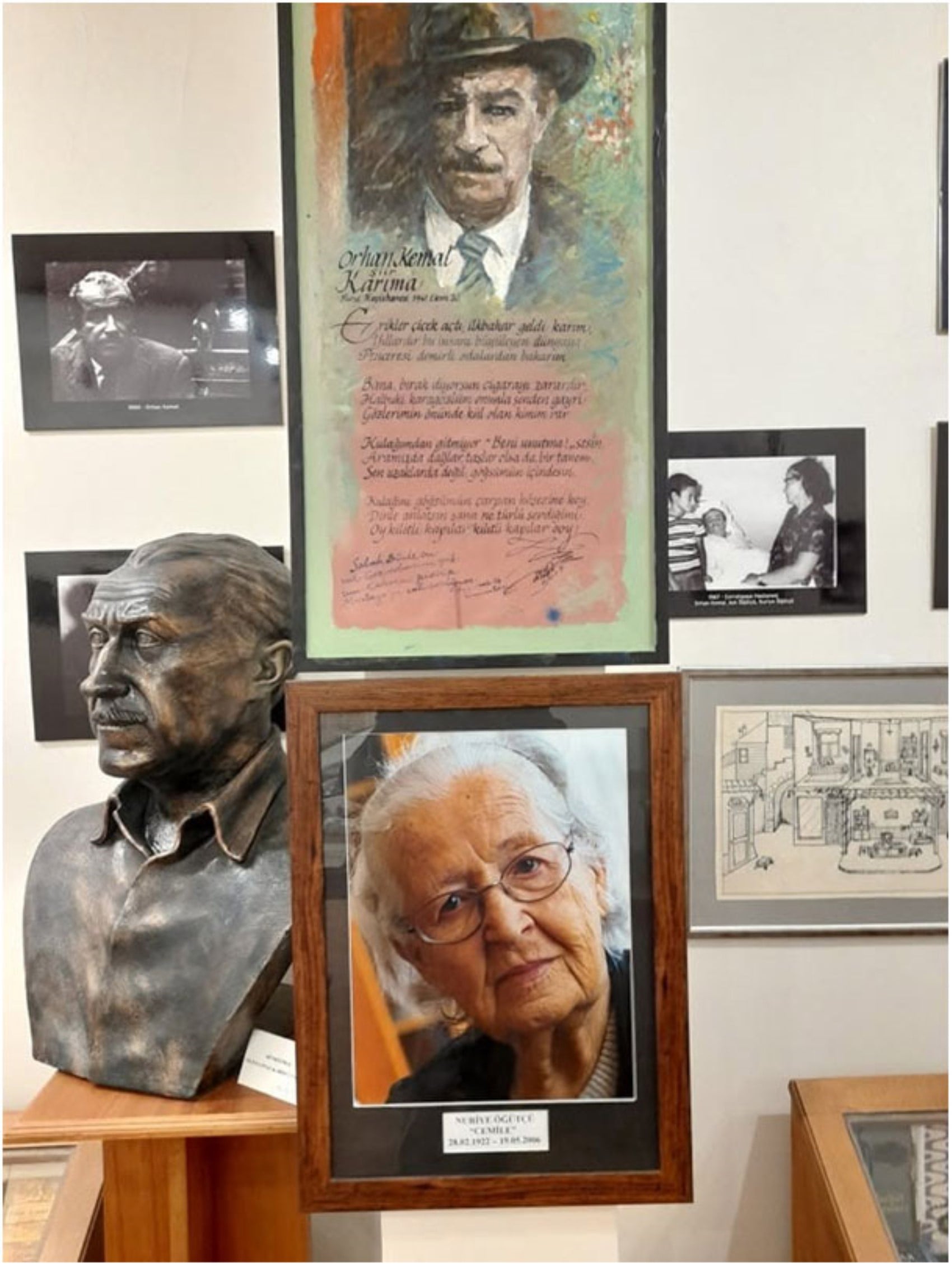
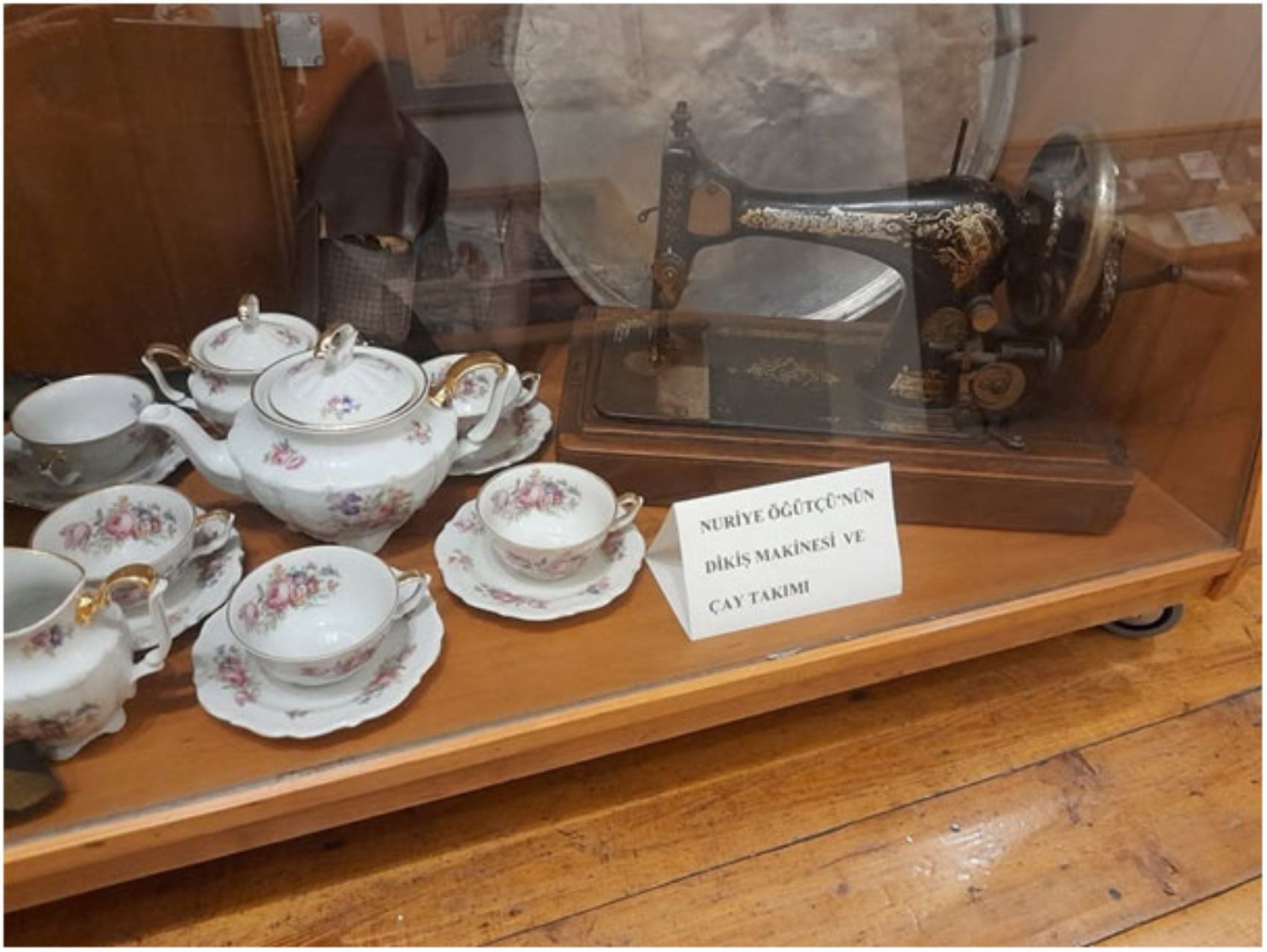
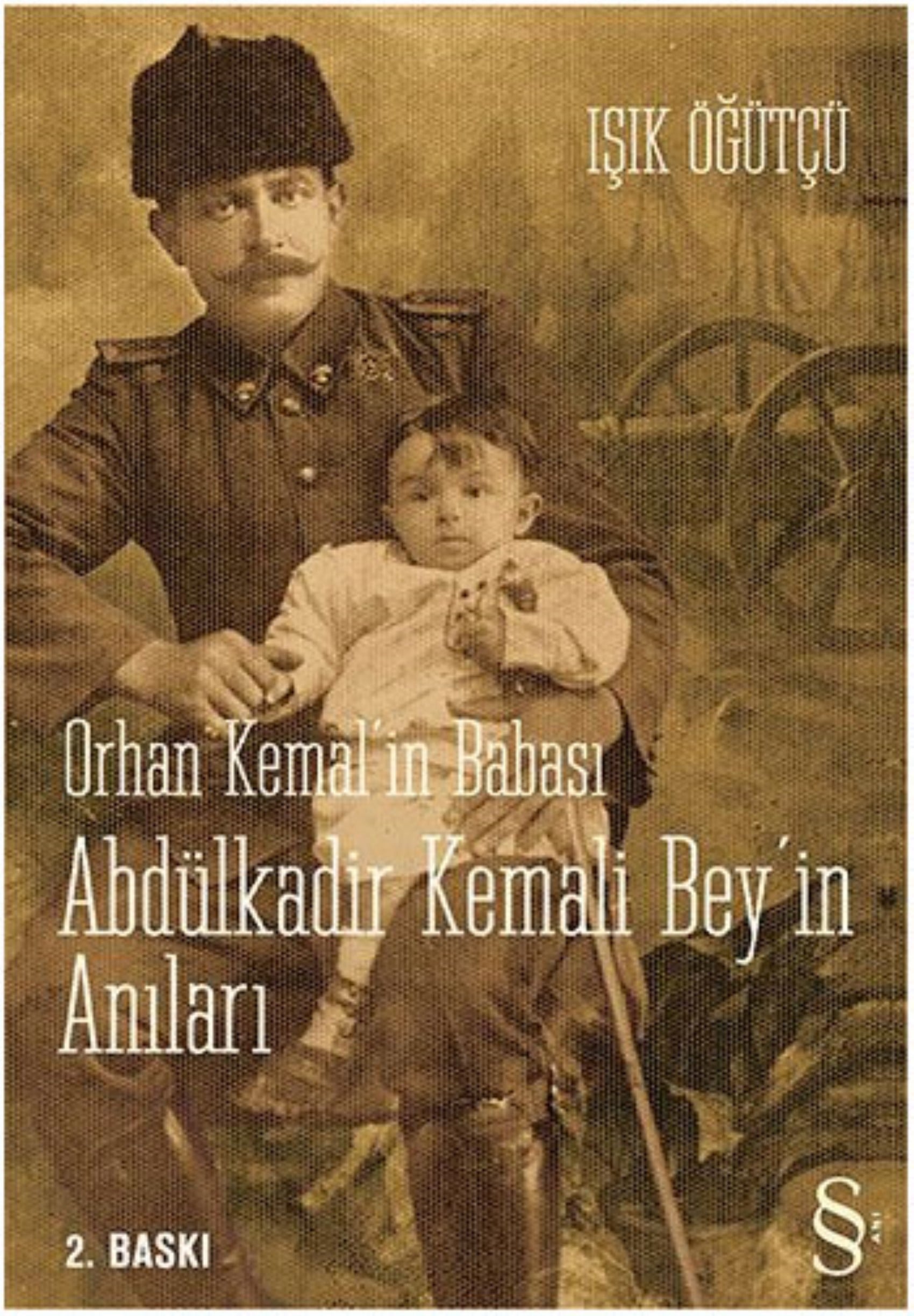
A few years ago, I visited the Orhan Kemal Museum house. The museum was founded by our novelist's youngest son, Işık Öğütçü. The museum is in Cihangir. The artifacts in the museum that caught my attention the most were the Independence Medal with red and green ribbons inherited from Abdülkadir Kemali Öğütçü, Nuriye Öğütçü’s sewing machine, and her tea set. Seeing these moved me. I left a note on a few photos I took: A giant of a woman: Nuriye Öğütçü.
Indeed, as an immigrant girl who settled in Adana, she became the pillar of the family she built with Orhan Kemal, whom she married at the age of 15. Marriage date: May 5, 1937. Nuriye Hanım addresses our great novelist as “Raşit,” as far as I understand. Orhan Kemal’s real name is Mehmet Raşit Öğütçü.
Nuriye Hanım worked as a textile worker under very difficult conditions; when they came to Istanbul, she started working at a sock factory in Sultanahmet; she was a truly great woman who worked at home with her sewing machine. The Independence Medal, on the other hand, is a legacy from Abdülkadir Kemali Bey, who was a Kastamonu deputy in the First Parliament.
WHERE WAS HIS FAMILY WHILE ORHAN KEMAL’S FATHER, ABDÜLKADİR KEMALİ BEY, WAS A DEPUTY?
I could not reach a definitive conclusion on this from what I have read. Abdülkadir Bey’s election as a deputy is related to his being the prosecutor of the Court of First Instance in the Kastamonu province in 1920. The secondary electors elected the prosecutor and sent him to the First Parliament.
During the first term of the Parliament, the family was in Adana. When the Çukurova region was occupied by the French, the family was relocated to Konya. They were in Konya during the Delibaş rebellion. Since Orhan Kemal was born in 1914, he must have been a six-year-old child at that time.
I have come across lines in many places stating that they were in Ankara during the National Struggle period. It is highly likely that they were.
In the meantime, I cannot help but speculate.
Nazım Hikmet and Vala Nurettin went to Ankara via İnebolu in February 1921. They were presented to Mustafa Kemal Pasha by İsmail Fazıl Pasha. The Gazi also advised the young men to write “purposeful” poetry. This event took place in the corridors of the parliament.
If Kemali Bey’s wife and children were also in Ankara, then Orhan Kemal, who would be a cellmate with Nazım in the Bursa Prison 19 years later, was also there. As a 7-year-old child.
The deputy father, Kemali Bey, had served as a judge in the Independence Tribunal and had also served on the Investigation Commission sent to the region after the Koçgiri rebellion.
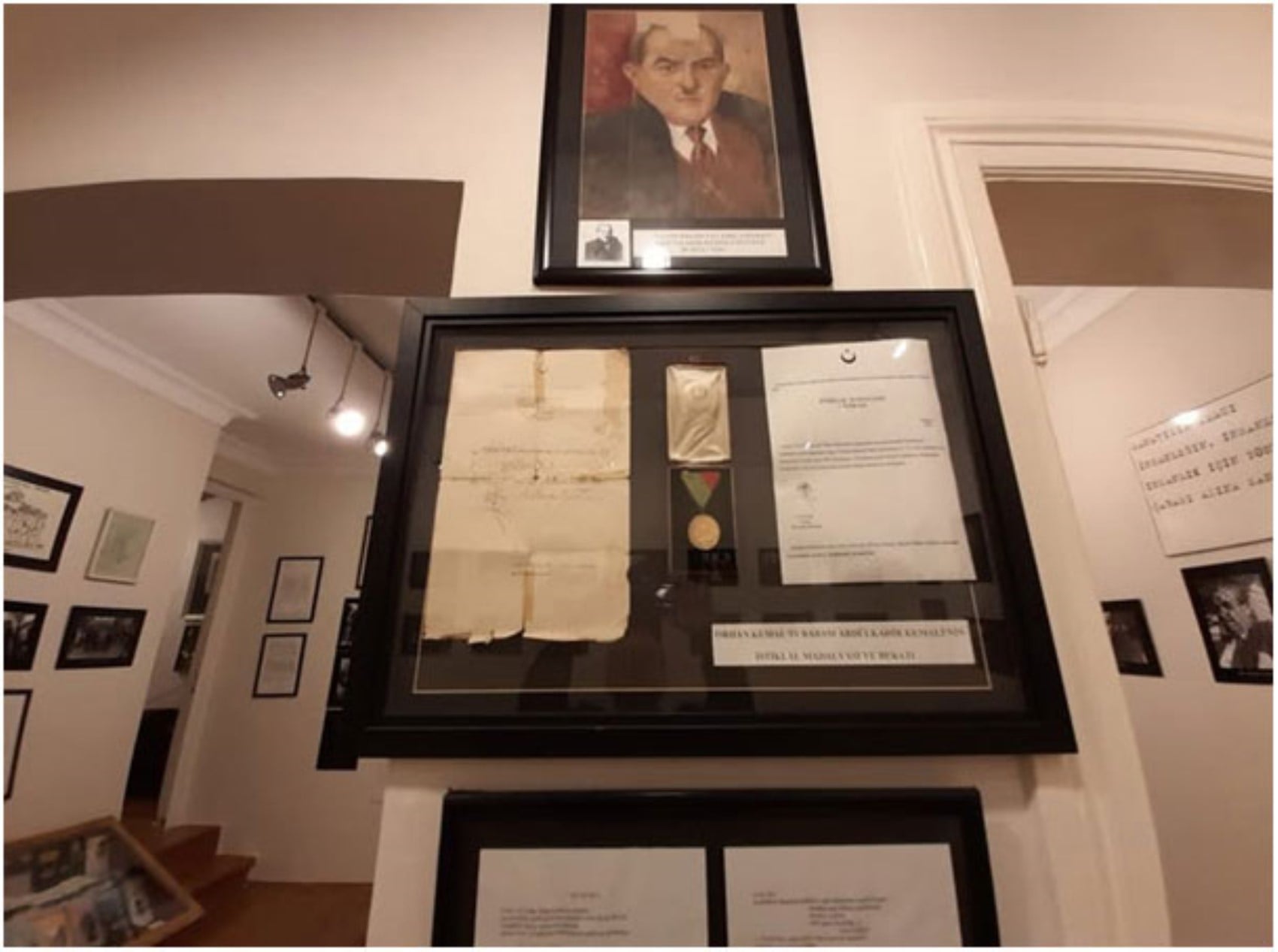
TWO NATIONAL STRUGGLE MEMENTOS FROM HIS FATHER
Abdülkadir Kemali Bey was a member of the Parliament that crowned the Turkish War of Independence with victory. After the Great Victory, he was awarded the Independence Medal with red-green ribbons. He was also given a Mauser that had been captured (seized) from the defeated enemy army, as per Ottoman-Turkish tradition.
As a memento of the great victory, one “Mauser” was distributed to each deputy. These are the National Struggle mementos that Orhan Kemal inherited from his father.
ABDÜLKADİR KEMALİ ÖĞÜTÇÜ AS AN OPPOSITION FIGURE
Orhan Kemal’s father, Abdülkadir Kemali Bey, is, in the words of our friend Meral Demirel, “A complete opposition figure.” Although his name is mentioned alongside the Second Group, I do not think he was one of them. His opposition cannot be evaluated in the same category as Ali Şükrü Bey or Hüseyin Avni Ulaş. He was not in the circle of the Progressive Republican Party. He published the newspaper Toksöz in 1924. In my opinion, he was an opposition figure on his own. He went to Syria on December 17, 1930, and did not return for 9 years. He most likely returned in 1939 within the framework of İsmet Pasha’s grand reconciliation program.
He was appointed as a judge in Bergama, and after a while, he resigned and started practicing law in Istanbul (1940). His son Mehmet Raşit (Orhan Kemal) was convicted while he was in the military during this time. He has articles published in the “Büyük Doğu” magazine while practicing law.
Kemali Bey was born in Osmaniye in 1889, came to Istanbul, and studied first at the Hamidiye Higher School of Commerce and then at the School of Law. He graduated from there and worked as a prosecutor and judge. Some of his duty stations were in the distant East and Arab provinces, such as Siirt and Basra.
During the Armistice, he was arrested in connection with the deportation of the Bilecik Armenians and was held in the Bekirağa Division for a while. It must have been by the decision of the Court-Martial. He was later released.
THE EFFECTS OF THE BEIRUT EXILE ON ORHAN KEMAL’S LIFE
After returning to Adana, Abdülkadir Kemali Bey published the newspapers Toksöz and Ahali. In the autumn of 1930, he founded an opposition party: the Ahali Republican Party. This was the same autumn that the Free Republican Party dissolved itself.
When the opposition party he founded faced prosecution, he went to Beirut. He lived a life of exile starting from the beginning of 1931. He could not practice law in Beirut because he was not a Lebanese citizen. He and his family suffered serious financial difficulties. The Turkish Restaurant venture he opened by selling his wife’s gold was also unsuccessful. Orhan Kemal worked as a dishwasher in his father’s restaurant. He worked as a printing press worker.
After a while, with the approval of his parents, he returned to his grandmother living in Adana (1932). Kemali Bey, on the other hand, remained abroad until 1939. After Beirut, he tried his luck in Jerusalem for a while. They also faced financial difficulties there. The family tried to survive in a cheap boarding house. They lived in an environment where Bedouins were densely populated. They increasingly “fell in class.” During this period, Orhan Kemal was with his grandmother in the Tepebağ neighborhood of Adana. He lived in this environment until he married Nuriye Hanım. He worked as a clerk in a cotton gin factory. This is the environment described in his novels Baba Evi (Father’s House) and Avare Yıllar (Idle Years).
THE FIRST ISTANBUL EXPERIENCE ENDED IN FAILURE
Orhan Kemal was such a successful football player in Adana that he was referred to as “Goal-scorer Raşit.” His interest in football always continued. I saw a photo of him in a jersey in his later years. After returning from Beirut, he wanted to go to Istanbul and play for Fenerbahçe. His aunt lived in Istanbul. He went to Istanbul with his friends. His aunt said she could only accept Mehmet Raşit. She did not want the friends he brought with him. His dream of shining in the football world did not come true. They had to return to Adana at the beginning of 1933.
ORHAN KEMAL WENT TO THE MILITARY AS A “PAID EXEMPTION” SOLDIER. HOW CAN THIS BE?
Mehmet Raşit Öğütçü was convicted of communist propaganda while under arms: 5 years. His sentence was approved by the Military Court of Cassation at the beginning of 1939. The date of conviction is October 11, 1938. The Military Court of Cassation approved the decision at the beginning of January 1939. He went to the military shortly after the birth of his daughter Yıldız. The date of his enlistment: May 1, 1938.
His release from prison: September 26, 1943. When he returned home, his daughter was 5 years old.
It is mentioned that he had 35 days left until his discharge when he was convicted. As of that date, the military service period in Turkey was 18 months.
This means that Orhan Kemal went to the military as a paid exemption soldier. Since the Committee of Union and Progress government, there has been no paid military service in principle (Young Turk Revolution). Exceptional cases have sometimes been interpreted broadly and sometimes narrowly.
For example, during the National War of Liberation, there was paid military service for landowners engaged in agriculture. The justification was to increase agricultural products. There was a need for resources to feed the army.
Now, as I have learned, there was a “bedel-i nakdi” (cash payment) in the early republican period. Those who paid 600 TL in installments would serve in the military for 6 months. I saw that the regulation providing for this was the Military Law No. 1111 (1927).
In the military court records, he is mentioned as “Raşit Kemali, son of Abdülkadir Kemali, one of the paid exemption soldiers of the 12th infantry regiment company.” In other words, Orhan Kemal was in the status of a paid exemption soldier with a 6-month unit duty.
He was convicted due to propaganda activities in the military. Now, the main issue I am curious about is this: 600 TL was a large amount of money in the 30s. Orhan Kemal’s father was already still in Beirut, in exile. The family of Nuriye Hanım, whom he married, was also a family suffering from financial difficulties. How was this money provided? I am truly curious. It is possible that his father’s lands in Osmaniye were sold to raise the money.
Despite finding such an opportunity and leaving behind a young woman and a newborn baby girl, what motives could have led him to argue with his superiors enough to be convicted in the military? Honestly, I find it difficult to understand this state of mind.
WHERE DOES HIS RELATIONSHIP WITH THE ABİDİN-GÜZİN DİNO COUPLE STEM FROM?
Abidin Dino was in exile in Adana during the Second World War years. Güzin also left her assistant position at the Istanbul Faculty of Letters and came to Adana. They married in 1943. She started teaching French there. Abidin Dino, who met with young people at the Adana Community Center, met Yaşar Kemal (Kemal Sadık Gökçeli), who was working as a cotton worker, petition writer, and library clerk in Adana at that time, in this environment.
In the meantime, Orhan Kemal had been released from Bursa Prison and came to Adana. He met these people around the Türksözü magazine. He maintained his connection with them throughout his life.
JOURNEY IN THIRD CLASS ON THE MALATYA-ADANA LINE (1944)
There is an interview that his wife Nuriye Hanım gave to Sadun Tanju. It is possible to see truly heartbreaking scenes here. After Orhan Kemal was released from Bursa Prison, he returned to his family in Adana. In the meantime, Nuriye Hanım could never come to Bursa to visit her husband. He was looking for a job. He could not find one. A friend working at the Malatya National Textile Factory mediated for his employment. He was accepted into the factory. The year is 1944.
However, because he had not completed his military service, the factory management fired Orhan Kemal.
They had completely dismantled their home in Adana with the hope of establishing a life in Malatya. They no longer had a home in Adana. They were returning from Malatya to Adana at night by a third-class train while their daughter Yıldız and their newborn first son Nazım (40 days old) were with them.
Nuriye Öğütçü described the night of their return from Malatya to Adana as follows:
“We had nowhere to go. We had Nazım. We had Yıldız. I laid them all on the stones, on the concrete of the station. They slept. But there were terrible flies; which one should I protect? I found a piece of paper, I fanned Orhan Kemal with it, then the children. We were waiting for the morning like that. A little later, someone came, he was a guard, he said, ‘It is forbidden to sleep here.’ He said, ‘Get up and go.’ He kicked us out of there. We got up. In the middle of the night, we searched and found a relative. We took shelter there and stayed in a miserable state until morning…” Nuriye Hanım described that night in an interview titled “His Wife Nuriye Öğütçü Tells, Happy Years with Orhan Kemal” in the June 23, 1970 issue of the Cumhuriyet newspaper: “It is the story of the pain of our return to Adana, of staying at the Adana station in the middle of the night without knowing where to go, and of spending the morning lying on the concrete of the station, exhausted from fatigue with two small children.”
WHEN DID HE COME TO ISTANBUL WITH HIS FAMILY?
This subject is controversial. In some sources, it is written as April 1950. I estimate it to be April 1951. For two reasons. It is said that he was removed from his clerk job at the Tuberculosis Dispensary by the Democrat Party government. For this reason, it cannot be 1950. Since the DP came to power with the May 14, 1950 elections. The other clue is that he met with his friend Nazım Hikmet after coming to Istanbul. Nazım was released on July 15, 1950. His departure abroad was June 17, 1951. Therefore, the date of his arrival from Adana to Istanbul must be April 17, 1951. When they came to Istanbul, they stayed at the house of his friend İzzet from prison in Kasımpaşa. For 3 months. There were exactly 13 people living in the house.
HOW WAS 72. KOĞUŞ (WARD 72) WRITTEN?
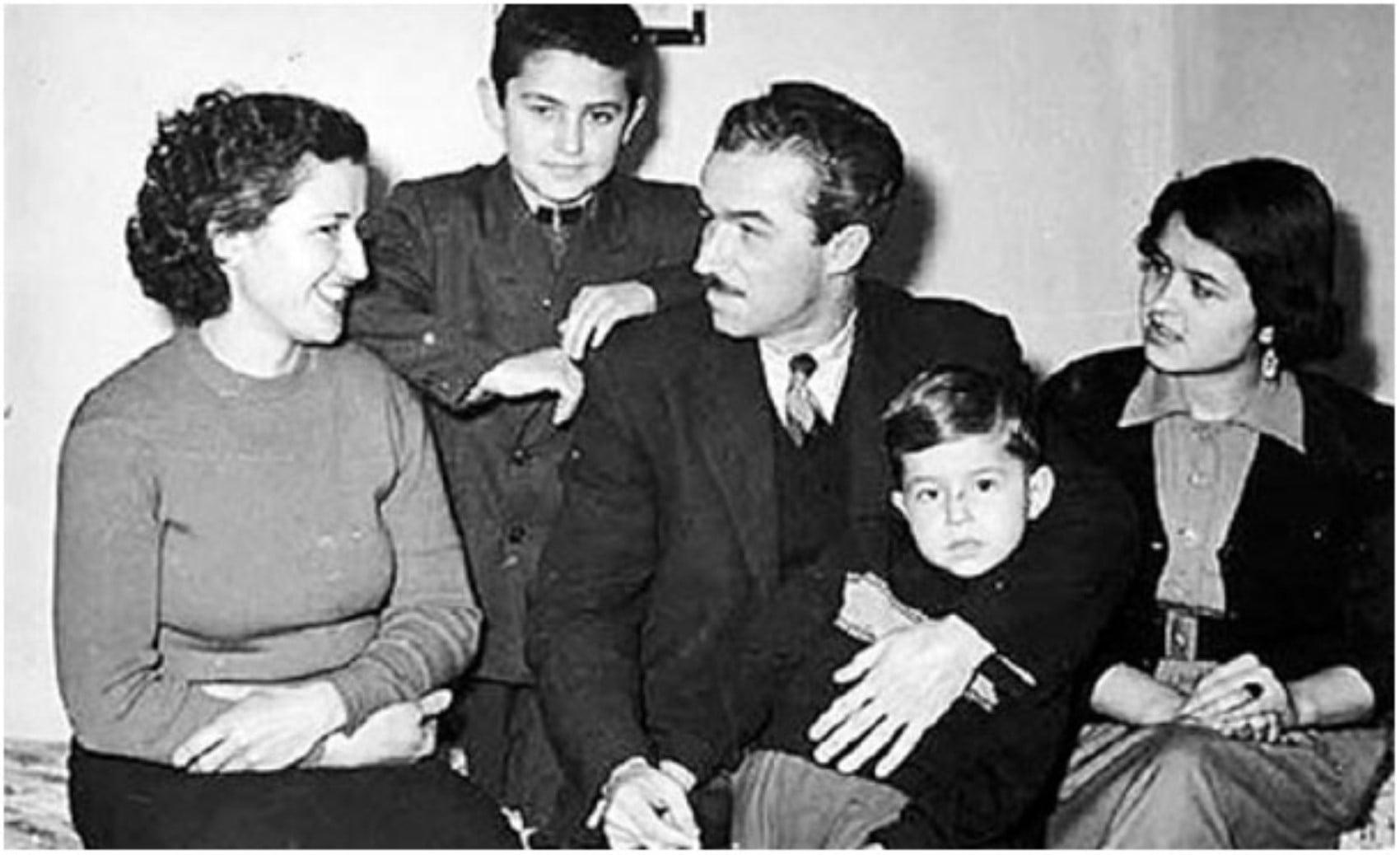
Orhan Kemal came to Istanbul with his family in 1951. He brought his family (5 people) with him to Istanbul for reasons such as his prison life, having to not complete his remaining military service, being fired after being accepted for jobs at the Adana and Malatya Textile factories, Yaşar Kemal, whom he knew from Adana, also going to Istanbul to try his luck, and the encouragement of a friend living in Kasımpaşa. They stayed as guests at his friend’s house in Kasımpaşa for 3 months.
After this, they tried to survive in Istanbul. Nuriye Hanım started working at a sock factory in Sultanahmet. Orhan Kemal was also going around publishing houses in Babıali to get his stories and novels published. The novels and stories he wrote did not receive much attention at first. There were times when he regretted bringing his children to Istanbul. At that time, Yıldız (his daughter born in 1938), Nazım (his first son born in 1944), and Kemali (his second son born in 1949) were with them. Işık had not been born yet.
They lived in a house in Fener-Balat until 1953. In the winter of 1953, they moved to the house in Cibali, which is known today as the Orhan Kemal House. 72. Koğuş was written in this house that winter, which had no firewood or coal. They only had a gas stove they brought from Adana.
72. Koğuş was written in one night under heavy snowfall, in the old script. As we understand from the letter he later wrote to his friend Fikret Otyam, he took his manuscripts to a publishing house, confident that they would accept his work and that he could receive some advance payment.
The work was rejected the next day by the publishing house consultant on the grounds that it was “obscene.” Orhan Kemal, who had not a single penny in his pocket and knew that his children at home were waiting for him, would express that desperation he experienced with these words:
“They gave me back my manuscript... The snow had stopped, the sun had broken the cold, the world was sparkling. I was so far from this glittering world that it hurt me more that the work I did was not understood than the advance I could not get. I came home, I threw myself onto the divan like a block... If it weren’t for the pride of being a man, I would have sobbed like a child.And that too, uncontrollably...”
A FEW WORDS ON ORHAN KEMAL’S NOVEL WRITING
Orhan Kemal is evaluated by literary historians/critics as a socialist realist novelist. The author himself defines himself as a “Luminous Realist.” Within this definition, there is hope for the future even in the most dramatic moments. Perhaps it would be more appropriate to call this feeling faith.
Luminous realism, according to Orhan Kemal, is not just reflecting what is in reality as it is. It is to gather the measures of reality within oneself and seek the answer to “can it be” along with “has it happened.” Here, the imaginary supports the real. The founding element of luminous realism is optimism. “People crushed by bourgeoisified technology have been my people,” says Orhan Kemal and adds, “I love writing novels that are luminous, full of hope, and give me the joy of living and the strength to fight against evils.”
In Orhan Kemal’s novels, we do not see the effort to fit into the “theory template” that we see in Kemal Tahir. (Theory should be understood as ATÜT and Kerim State). In Orhan Kemal’s literature, there is no need for theory. Nor for force. The characters bring you face to face with reality by talking. There are no long descriptions with Tolstoy connotations like in Yaşar Kemal’s work either. In Orhan Kemal, there is labor and exploitation. But the author does not shove this in your face. You do not feel any force.
In his novels, it is possible to see the difficult living conditions of the working classes and the new class contradictions brought about by mechanization in agriculture (agricultural capitalism). A good example of this is the novel Bereketli Topraklar Üzerinde (On Fertile Lands).
His characters are “ordinary, small people.” The author handles them with all their weaknesses and ambitions. The characters show his great power of observation.
In Orhan Kemal’s works, his personal life story makes itself felt. The author’s own life line is the greatest source of his novels. Novellas such as Baba Evi, Avare Yıllar, and Cemile, in which he tells about his childhood and youth years, carry traces of his own life. Despite the difficulties, poverty, and exploitation, there is no pessimism; an optimistic perspective prevails.
A writer once said that in Orhan Kemal’s novels, you can feel the bitter taste of Çukurova agricultural labor and the Istanbul proletariat. There are also those who call him the chronicler of Turkish capitalism.
If one were to summarize his novels and stories: Baba Evi (1949), Avare Yıllar (1950), Murtaza (1952), Bereketli Topraklar Üzerinde (1954), Vukuat Var (1958), Hanımın Çiftliği (1961), Gurbet Kuşları (1962), Kanlı Topraklar (1963). There is more, of course.
Most of his novels were first serialized in newspapers. In newspapers such as Vatan, Dünya, Ulus, Son Havadis, and Cumhuriyet. Let us also mention this.
ORHAN KEMAL’S LEFTISM
I do not know when Orhan Kemal met socialist literature. What I do know is this: Orhan Kemal is the writer of labor, the farmhands, and the urban proletariat.
I came across information that he was detained in the 1938 Navy case and then released. I could not believe that he had any contact with the people tried in the case. He was not even in Istanbul at that time. After returning from Beirut in 1932, his life was spent working as a clerk in a cotton gin factory in an environment of hegemony of the powerful, which rose on the surplus value created in Adana.
Orhan Kemal married Nuriye Hanım in 1937, and Yıldız was born in 1938. He was enlisted in Niğde on May 1, 1938. He was convicted in a military court on charges of “making propaganda in favor of foreign regimes and inciting soldiers to rebellion” (conducting communist activity) because he read Nazım Hikmet and Maxim Gorky in the barracks and made socialist propaganda. It is written in the sources that he had 35 days left until his discharge when he was convicted.
Orhan Kemal (Mehmet Raşit Öğütçü) could not complete his education because his father fled to Lebanon to avoid being arrested. He studied until the last year of middle school. I have doubts about how well he mastered socialist literature. But this is not important to me; Orhan Kemal’s socialism is from the school of life, not from books.
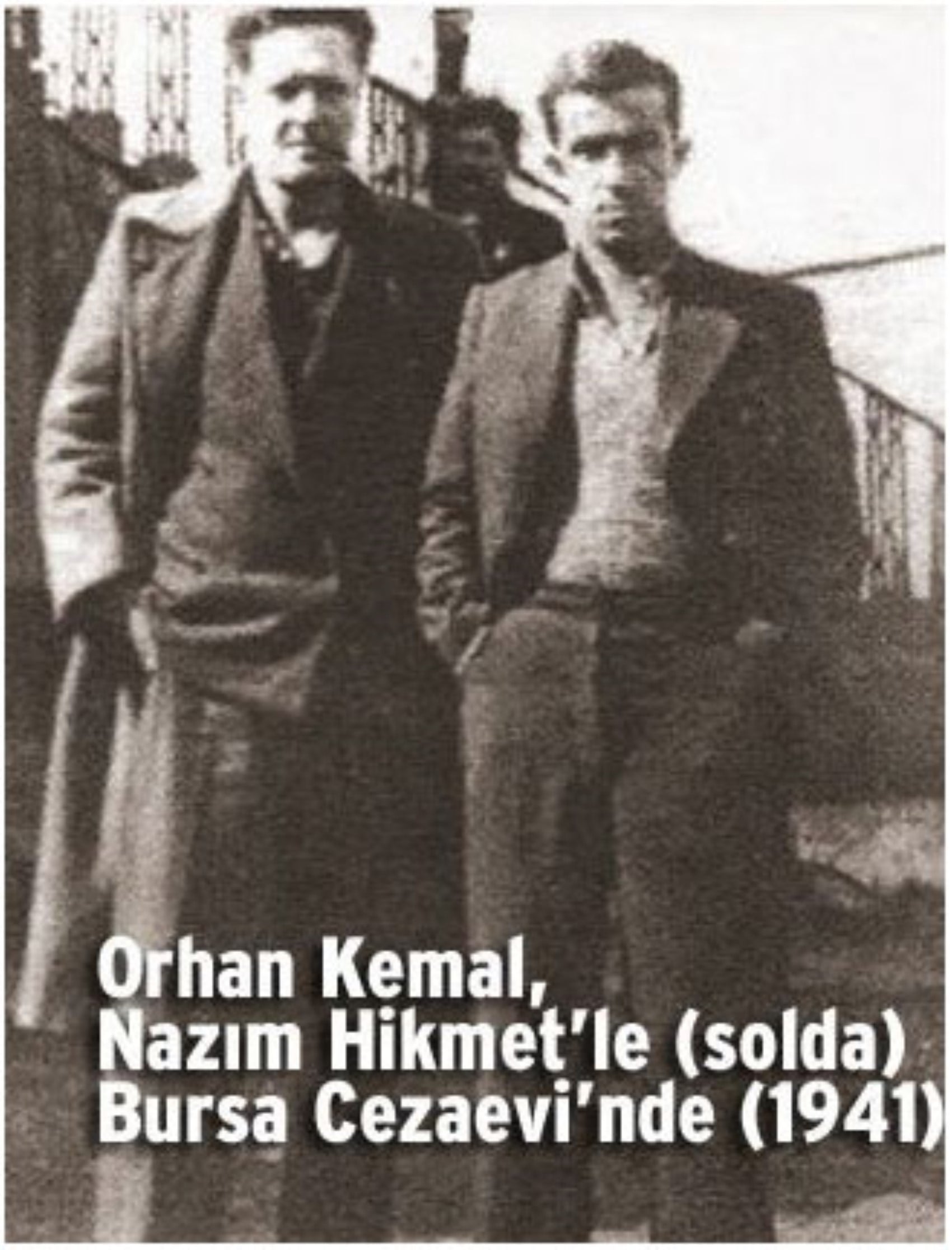
Our author is sent to Bursa Prison while his sentence is being executed. Nazım Hikmet was also transferred there from Çankırı.
His 3.5-year friendship with Nazım begins with them sharing the same ward. Nazım tries to transfer all the knowledge he had acquired up to that age to Orhan Kemal. Information he acquired at the Moscow KUTV university, such as historical materialism, socialism, French, and literature.
At this point, I would like to state my opinion regarding the socialist theory levels of Nazım Hikmet and Orhan Kemal. I am sure that both of their literary knowledge was weak. I can say that both of them were “socialists at heart.” Especially Orhan Kemal is a name who has worked physically and has even been a porter. He is a person who knows/has lived what labor and exploitation are. It was Nazım Hikmet who discovered the prose talent in him when he was a young man trying to be a poet. For this reason, he sees Nazım as his master.
His stories and novels are about labor, exploitation, and class contradictions. He produced works based on the class contradictions created by the “Turkish capitalism” that began to rise with the Democrat Party government. The settings are mostly Çukurova and Istanbul.
Orhan Kemal’s main concern in the 50s is to provide an income that can support his family. He makes a living by writing. He is barely able to support his family. His earnings were not enough for a comfortable life until the mid-60s.
In the relative “freedom” environment of the 60s, he was close to the TİP (Workers' Party of Turkey). But he was never a party member. Yaşar Kemal, on the other hand, joined the TİP. Despite this, he goes to a meeting of the TİP Fatih organization upon invitation. His speech there is considered “communist cell activity.” He is arrested along with the TİP members. (March-April: 1966) He is released after a while. The Justice Party is in power, and Süleyman Demirel is at the head of the government.
ORHAN KEMAL’S HEALTH PROBLEMS
It is understood that Orhan Kemal had cardiovascular problems. His lifespan is more or less the same as his father’s. His father, Kemali Bey, passed away suddenly in 1949 while following a case at the Court of Cassation in Ankara. He was buried there. His father passed away at 59, and he himself at 56. Considering the lifespan of Atatürk’s mother, father, and himself, I think that genetic factors largely determine life expectancy.
The financial difficulties Orhan Kemal struggled with throughout his life, the fact that his quality of life was seriously low, his living in rented houses in peripheral neighborhoods, and his living under heavy stress despite the hopeful, luminous realist style in his novels are other important reasons for his health problems.
HE HAD NO TRAVELS ABROAD EXCEPT TO RUSSIA AND BULGARIA
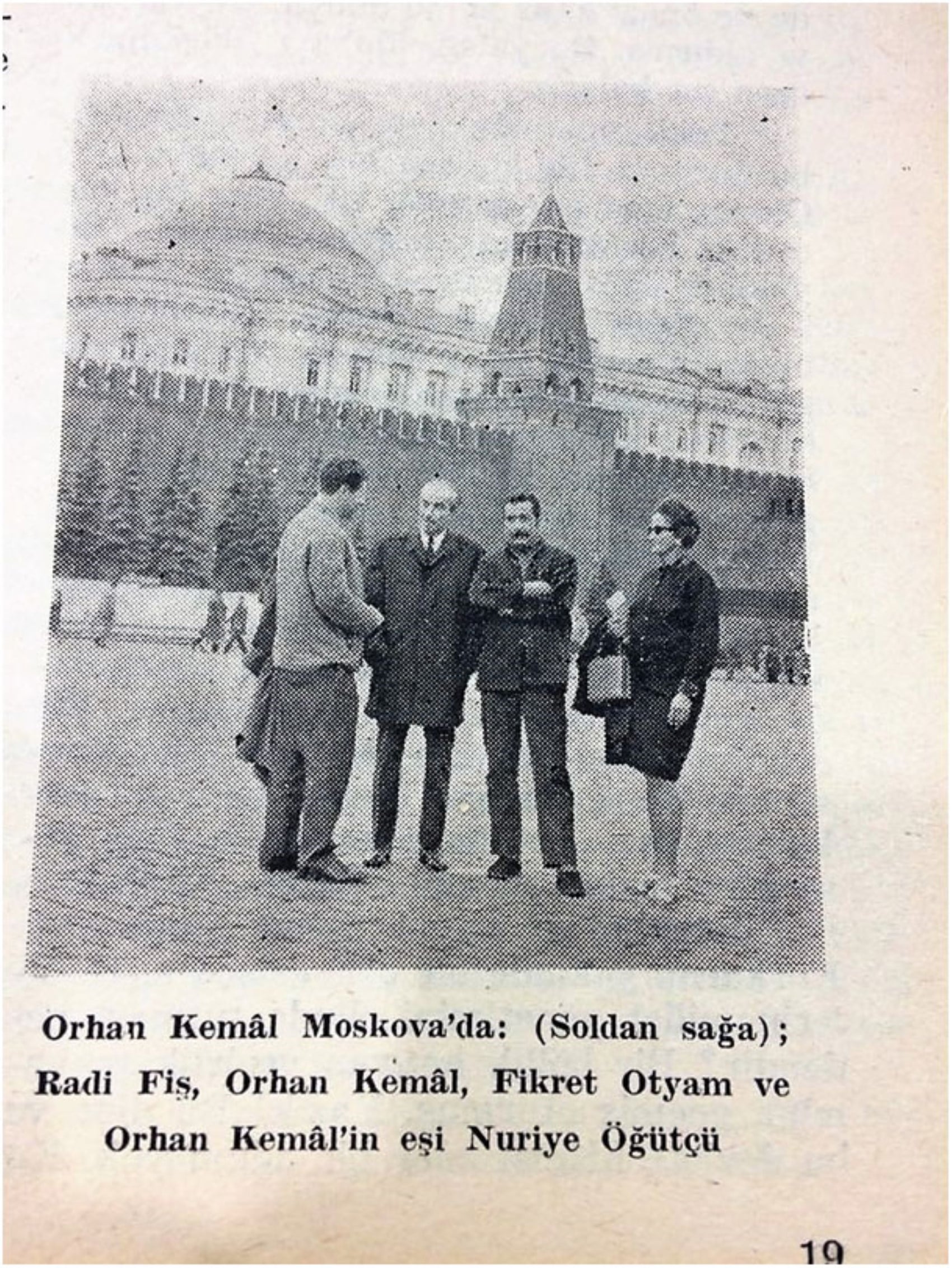
Orhan Kemal was able to go abroad twice. Excluding the Beirut exile. He had flown to Moscow and Sofia to receive awards. He fell ill during both of his trips.
Our novelist fell ill on the night of the day he landed in Moscow, where he went upon the invitation of the Soviet Writers’ Union. He had a partial stroke. He was hospitalized. I think the reason was that the air travel negatively affected the intracranial circulation. (1969)
The doctors at the Soviet Writers’ Union Hospital wanted to keep our novelist under treatment for a long time. He did not accept the offer. His decision was wrong. He was seriously ill. He wanted to return when he recovered a little. After a few days of cultural tours in Moscow accompanied by a guide, he wanted to return to Istanbul, using the opening of schools as an excuse. Nuriye Hanım was also with him. Since Işık Öğütçü was born in 1957, the school to be opened must be his school. They went in mid-August and returned at the beginning of September.
Orhan Kemal did not even have a passport until that date. The Soviet Writers’ Union had invited him on the occasion of the 100th anniversary of Maxim Gorky’s birth.
The Justice Party was in power. The Minister of Interior was Dr. Faruk Sükan. Our famous anti-communist interior minister, the owner of the phrase “The Reds feel our breath on their necks.” A passport was given through the struggle of his friend Fikret Otyam. Thanks to this, he was able to go to Russia.
As a result, the Russia trip (August-September 1969) was very short due to health reasons.
As for the Bulgaria trip, as I understand from the letter he wrote to Fikret Otyam, the Bulgaria trip started on May 5 (1970). He fell ill, was taken to the hospital, and passed away on June 2. He was brought by road in a convoy from Sofia, where he had gone by plane. (June 5, 1970)
The health issue that resulted in his death in Sofia was, in my opinion, the same. He had a more severe brain hemorrhage than the one in Russia. The brain was severely damaged. His ability to speak was completely lost. He could not be saved.
Tuberculosis is also mentioned in articles about our novelist’s health condition. But I could not find any satisfactory information about this.
PHOTO REQUESTS FROM ARA GÜLER BEFORE GOING TO SOFIA
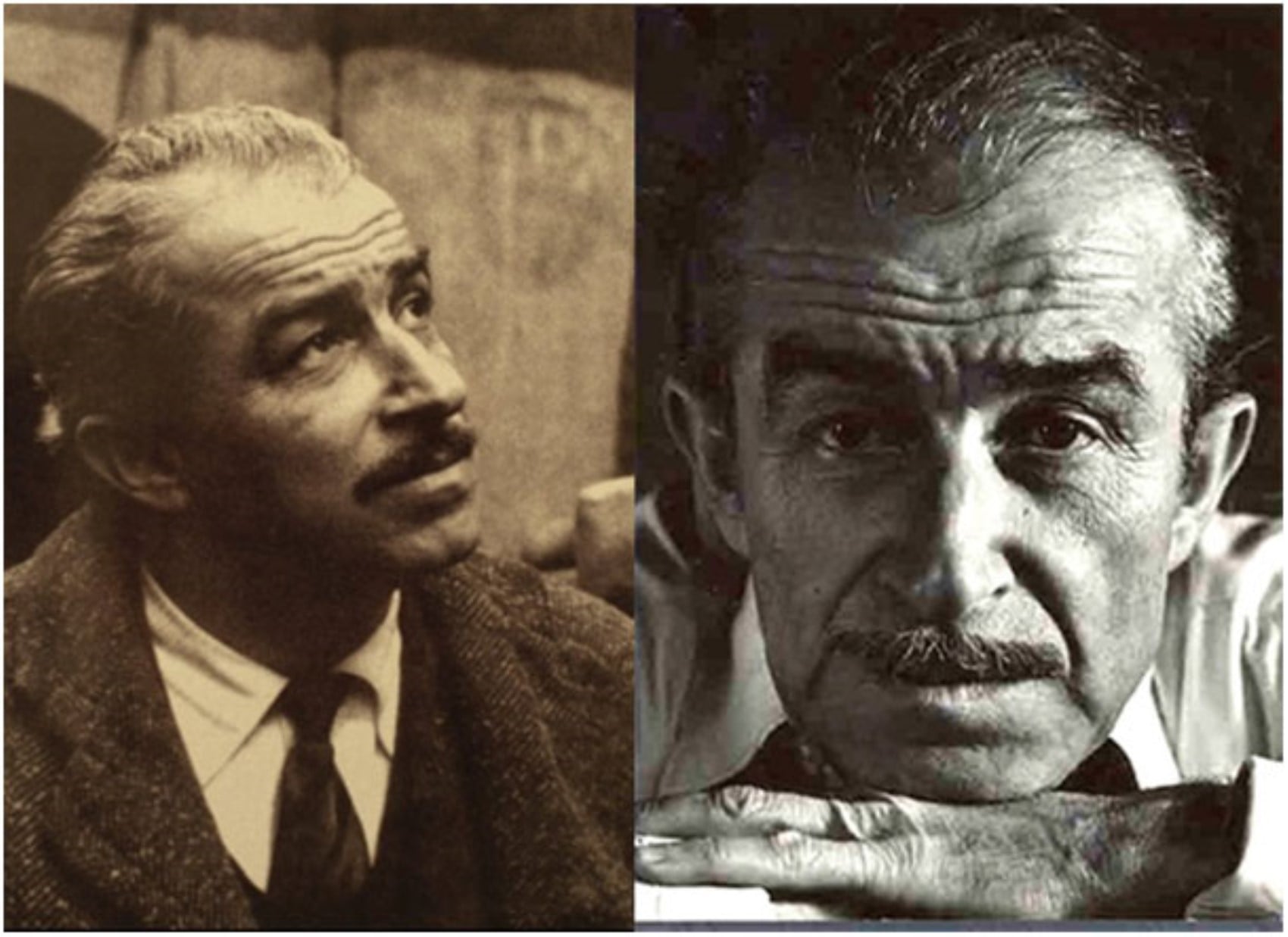
Orhan Kemal was born in Ceyhan, Adana, on September 12, 1914, and passed away in Sofia on June 2, 1970.
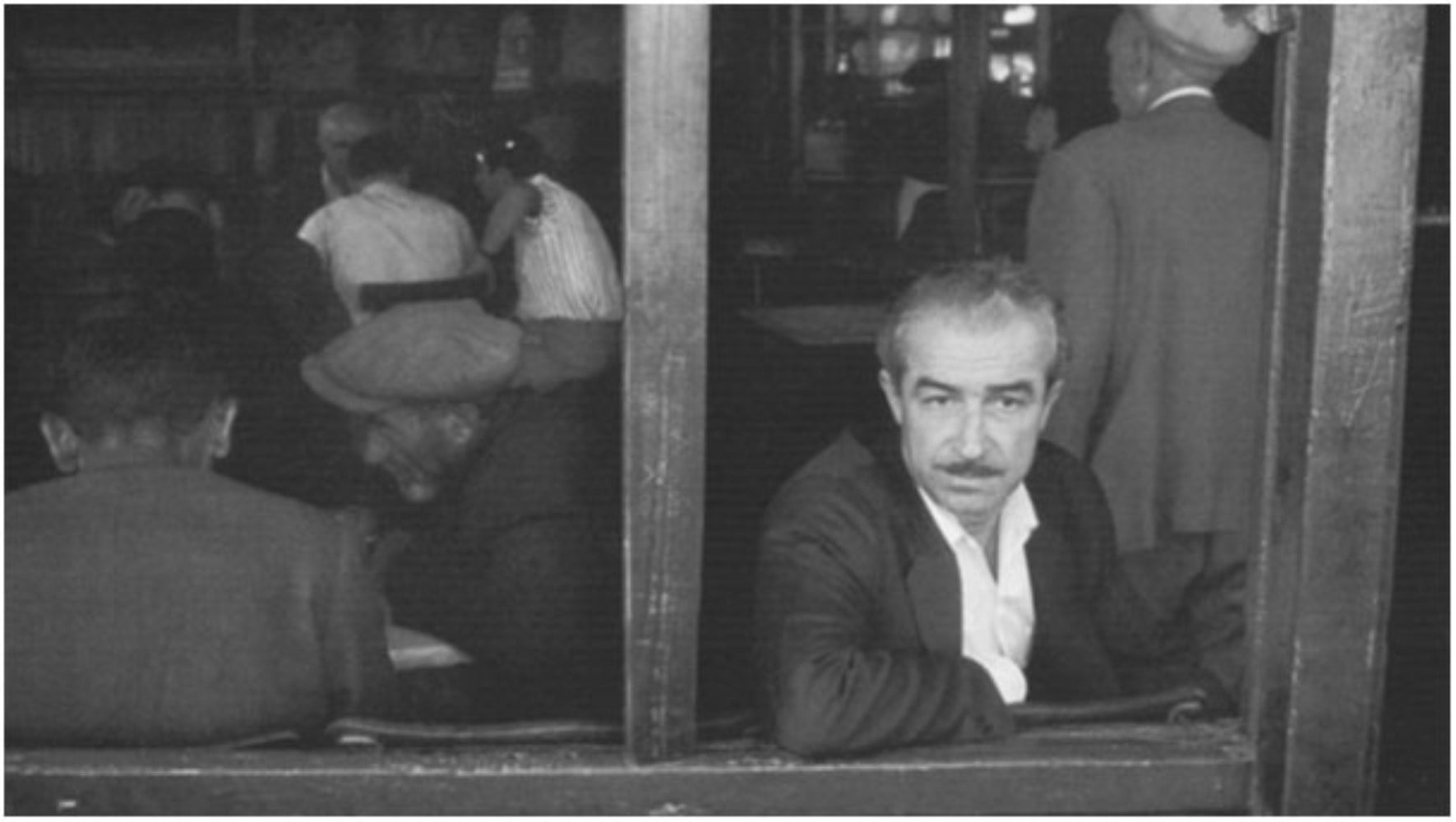
A few days before going to Sofia—early in the morning—our novelist went to Ara Güler’s house in Galatasaray. After Güler invited him in, he could not help but say, “Well, what’s up?”
“Ara, you know I’m going. My son, you never know... You might look and we might not return from where we went! I was thinking, if you could take a few pictures of me before I go...”
Ara Güler hung his Leica around his neck, took his spare reels with him, and they walked around the streets of Istanbul all day together.
Ara Güler took pictures of the master in different places in Istanbul.
Many of Orhan Kemal’s pictures are from that day.
I think he didn’t feel well at all. He was doubtful about his fate.
As he himself said, Orhan Kemal went and did not return!
Would you like to get notifications about new developments and save news?
- NotificationsNew developments and breaking news
- SaveNews is stored in the app
Most Read

Politics without ideology

Turkish Airlines, get a grip

Age verification on social media will be conducted via e-Devlet
Ahmet Aras, rumored to be joining the AKP, speaks out

Has the world come unhinged?
The ex-husband of Atilla Taş's daughter Sezen speaks out

Orhan Kemal’s 'Luminous Realist' Leftism

Can planning and the price mechanism be siblings in the age of artificial intelligence?

7 coffins unearthed in governor's residence garden
New season begins on Güldür Güldür Show: A Mert Fırat surprise