

Traces of two unknown 'ghost ancestors' found in the modern human genome
US researchers have mapped genetic traces from two ancient human lineages, other than Neanderthals and Denisovans, using a new method.



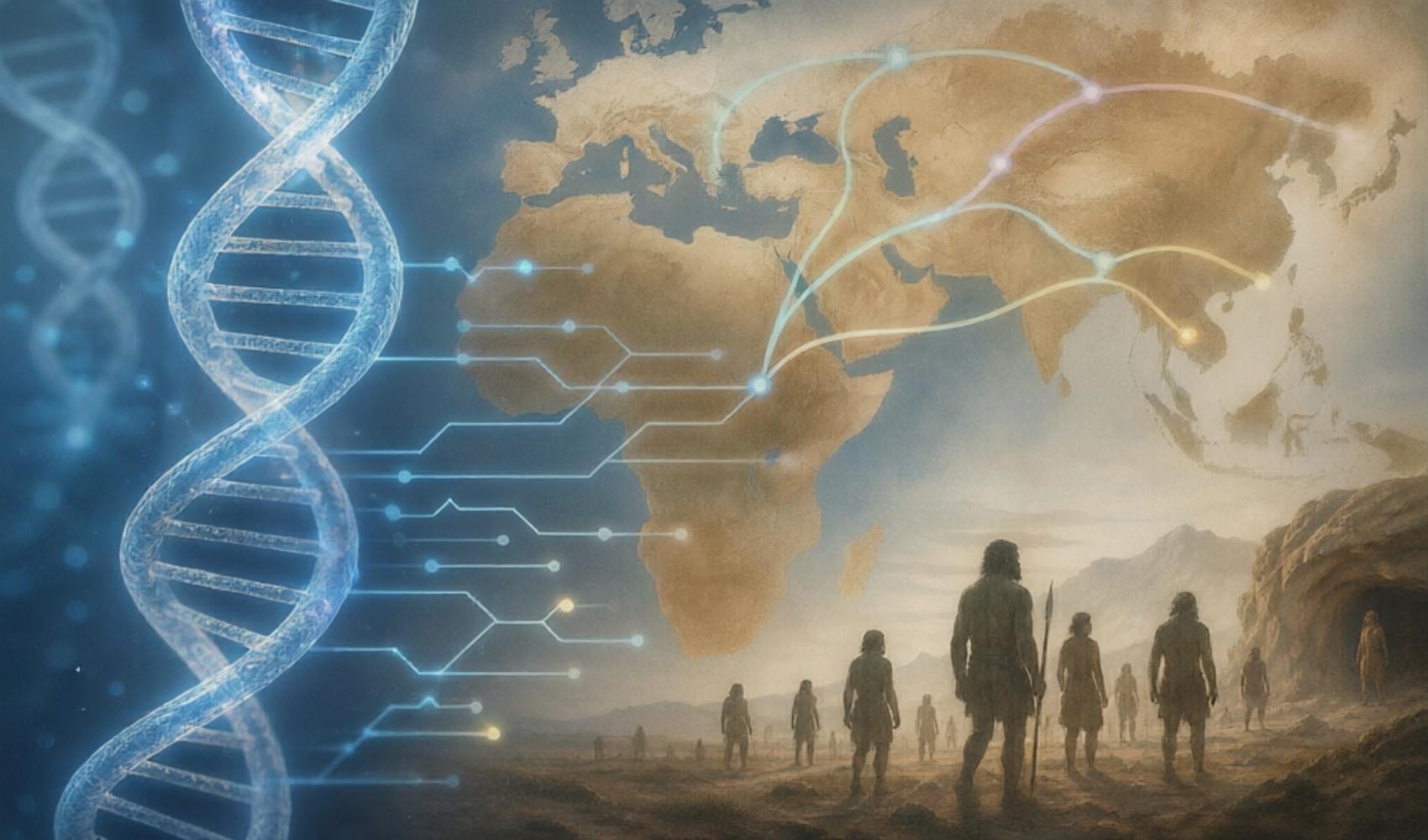
According to a report by Sözcü, a new study on the genetic history of modern humans has revealed that human evolution has a more complex picture than just Neanderthals and Denisovans. Researchers at the University of California, Berkeley, in the US, have identified traces of two unknown ancient human lineages in the genomes of modern humans.
In the study published in the journal Science, these populations, for which no sequenced DNA samples exist, were defined as "ghost ancestors." Using a new analysis method they developed, the researchers mapped the genetic regions inherited from these ancient human lineages in greater detail.
According to the findings, one of the unknown human lineages interbred with *Homo sapiens* in Africa before the last major migration of modern humans from Africa to Europe and Asia approximately 50,000 years ago. It is estimated that this lineage diverged from the modern human lineage about 800,000 years ago, but later exchanged genes again.
According to the research, approximately 0.5 to 1 percent of the genome of people living today comes from this unknown lineage. This ratio corresponds to a level close to the Neanderthal DNA in the modern human genome.
TRACKING THE GENETIC LEGACY
Yulin Zhang, one of the lead authors of the study, stated that previous research had indicated the possibility of gene transfer from unknown ancient human lineages, but the scope and timing of this were not clear. According to Zhang, the new method made it possible to show that this genetic contribution is present not only in people of African descent but in all modern humans.
The researchers also determined that a much older human lineage that lived approximately 1.8 million years ago interbred with Denisovans in Eurasia. Accordingly, DNA fragments from this ancient lineage may have been passed on to modern humans later through the Denisovans.
The study noted that DNA fragments from ancient human lineages are seen more frequently in genomic regions associated with the immune system and metabolism. According to the researchers, these results show that the genetic history of modern humans was shaped by long-term contacts and gene exchanges between different human populations.
News Source: 12punto
Most Read

Major disrespect from Bellingham to Arda Güler!

FETÖ investigation into the TV series Kurtlar Vadisi Pusu!

The date for the Formula 1 Turkish Grand Prix has been set!

Striking claim regarding two pilots in the crash of a business jet owned by Hamdi Akın

The principle of liberation and foundation of our state

AKP's Şamil Tayyar gives a date for the election!
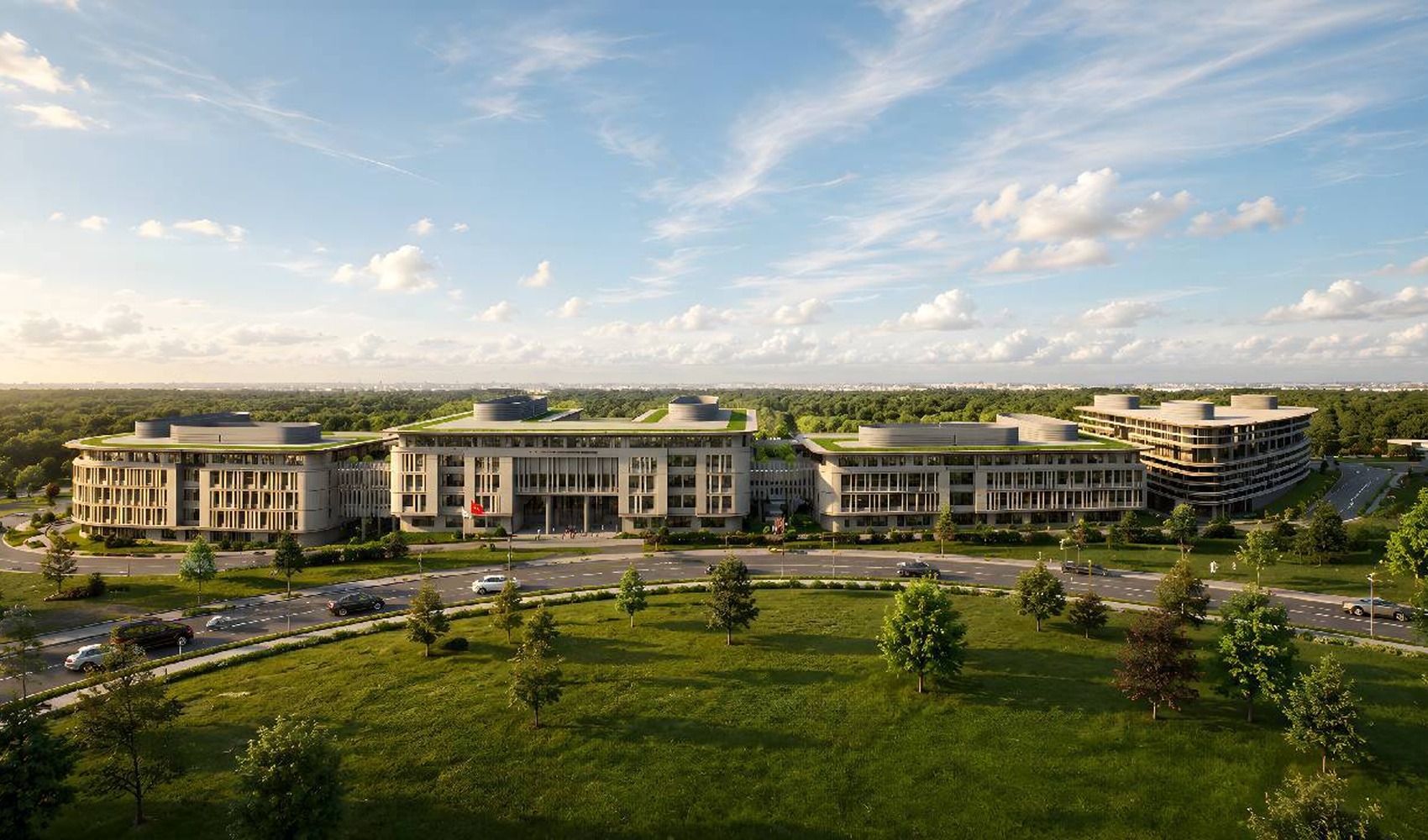
98,000-square-meter ministry building on AOÇ land!

Trabzonspor's fault line has broken

Farmers clash with security forces in Romania: 24 injured

25 lira water order dispute escalates