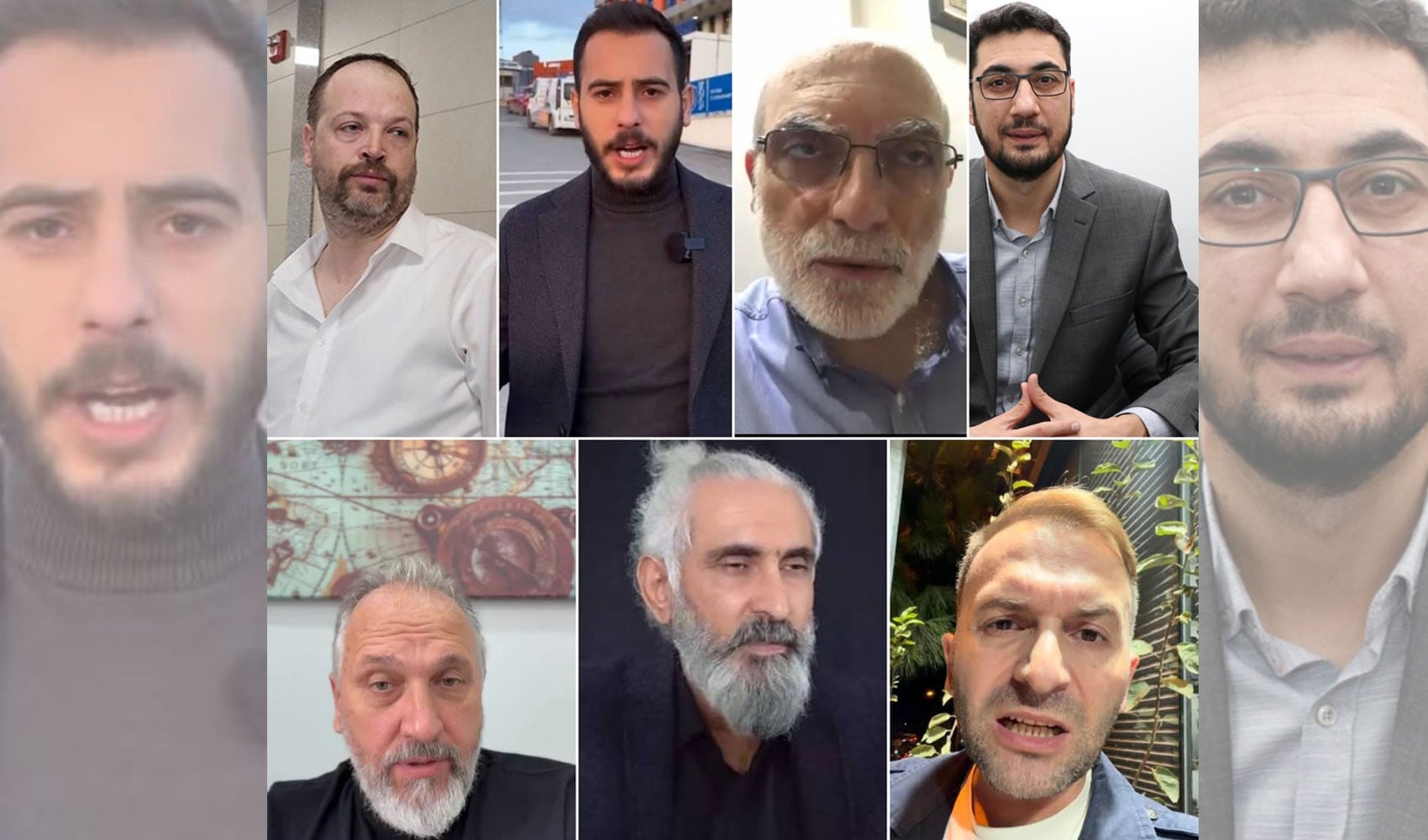
Prof. Dr. Atilla Eroğlu, Head of the Department of Thoracic Surgery at Atatürk University Faculty of Medicine, along with professors from various departments—including thoracic surgery, pulmonology, radiation oncology, medical oncology, and pathology—from different universities, launched a study last year under the name "Turkish Oncology Group." The participating professors include Ayten Kayı Cangır, Perran Fulden Yumuk, Serpil Dizbay, Serap Akyürek, Yeşim Eralp, Ülkü Yılmaz, Uğur Selek, Ali Murat Tatlı, Fazilet Öner Dinçbaş, Saadettin Kılıçkap, Mehmet Ali Nahit Şendur, Asli Görek Dilektaşlı, Hakan Şat Bozcuk, Serdar Özkök, İlhan Öztop, Erkan Topkan, Şükrü Dilege, Akın Kaya, and Ahmet Demirkazık.
Through approximately six months of work, the scientists prepared an article compiling information on the causes of lung cancer in Turkey, its regional distribution, treatment methods, and data on medical equipment and the number of physicians. This study was published in the "Journal of Thoracic Oncology," one of the world's most respected cancer journals.
Prof. Dr. Eroğlu, who participated in the study, stated that lung cancer is the most common and deadliest disease, noting that approximately 2 million people die from lung cancer worldwide each year.
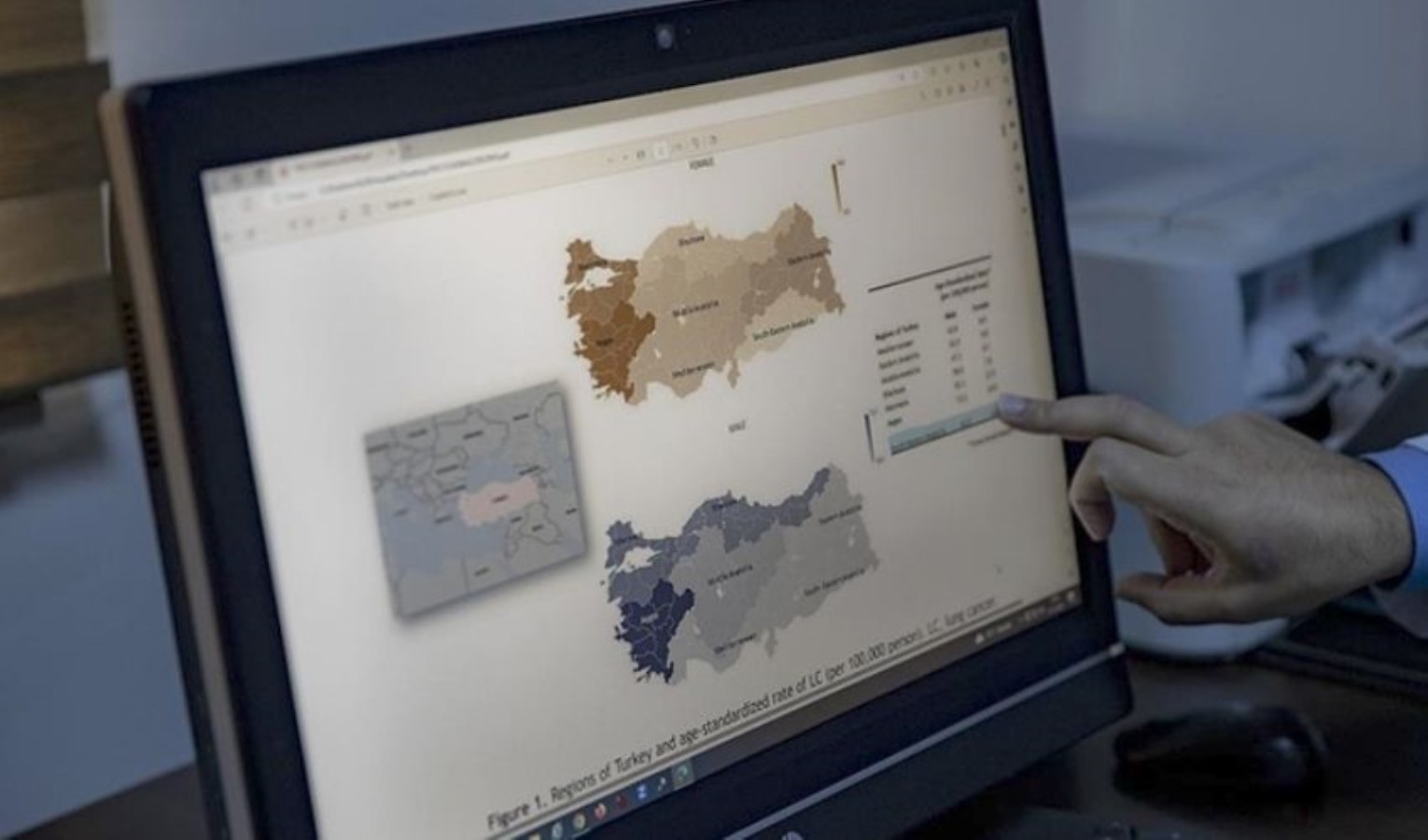
LUNG CANCER IS MOST FREQUENTLY SEEN IN THE AEGEAN AND MARMARA REGIONS
Explaining that they categorized the cancer situation in Turkey by region and gender, Eroğlu said, "In our study, 41,000 new cases of lung cancer were detected in Turkey in 2022. Of these, approximately 33,000 were men and 8,000 were women. We created a map based on regions. Lung cancer was seen most frequently in the Aegean and Marmara regions for both men and women, and least frequently in Southeastern Anatolia and Eastern Anatolia. Lung cancer, which is most commonly seen between the ages of 60 and 70, is 90 percent caused by smoking, which is a preventable cause."
Eroğlu stated that the study on lung cancer in Turkey, which he and the other professors prepared in six months, was published within three months in one of the world's most respected cancer journals.
Pointing out that smoking is more prevalent in the Aegean region, where lung cancer is most common, compared to other regions, Eroğlu spoke as follows:
"While the cancer rate among women in Southeastern Anatolia is 6.9 per 100,000, it is 14 in the Aegean and 12.5 in the Marmara region. In the Aegean, lung cancer was seen in 72 per 100,000 men, while it was 42 per 100,000 in the Southeast. From now on, anyone in the world who is curious about the situation regarding lung cancer in Turkey will see this article and use it as a reference and cite it. In fact, it has become an article where very important data is shared, such as the status of lung cancer in Turkey, the ages at which it is seen, the treatments applied, and a comparison of our situation with the global situation."
Prof. Dr. Eroğlu stated that compared to developed countries, both the number of smokers and the number of lung cancer cases in Turkey are higher than in Europe and the USA.
3 OUT OF EVERY 10 PEOPLE IN TURKEY SMOKE
Emphasizing that 30 percent of the adult population smokes in Turkey, which is among the top 10 countries in the world for cigarette consumption, Eroğlu said, "Approximately 3 out of every 10 people in Turkey smoke. Unfortunately, smoking is one of the most important causes of lung cancer, accounting for 90 percent of cases. With this article, we have demonstrated that there is a need for greater control of cigarettes and tobacco products."
Eroğlu noted that while Turkey is one of the best countries in the world in the fields of medicine and healthcare, performing on par with developed nations in the treatment phase, it lags behind in terms of disease and screening methods, a result highlighted by this study.
Urging that high-risk individuals, in particular, undergo more frequent cancer screenings, Prof. Dr. Eroğlu added, "We are in a better position than the world's most developed countries in terms of the number of physicians who diagnose and treat cancer, but unfortunately, the patient reaches the doctor too la
News Source: AA