

Two active magma zones detected beneath Masaya Volcano in Nicaragua
According to a report by Sözcü, satellite radar data has pointed to two separate magma reservoirs beneath Masaya Volcano.



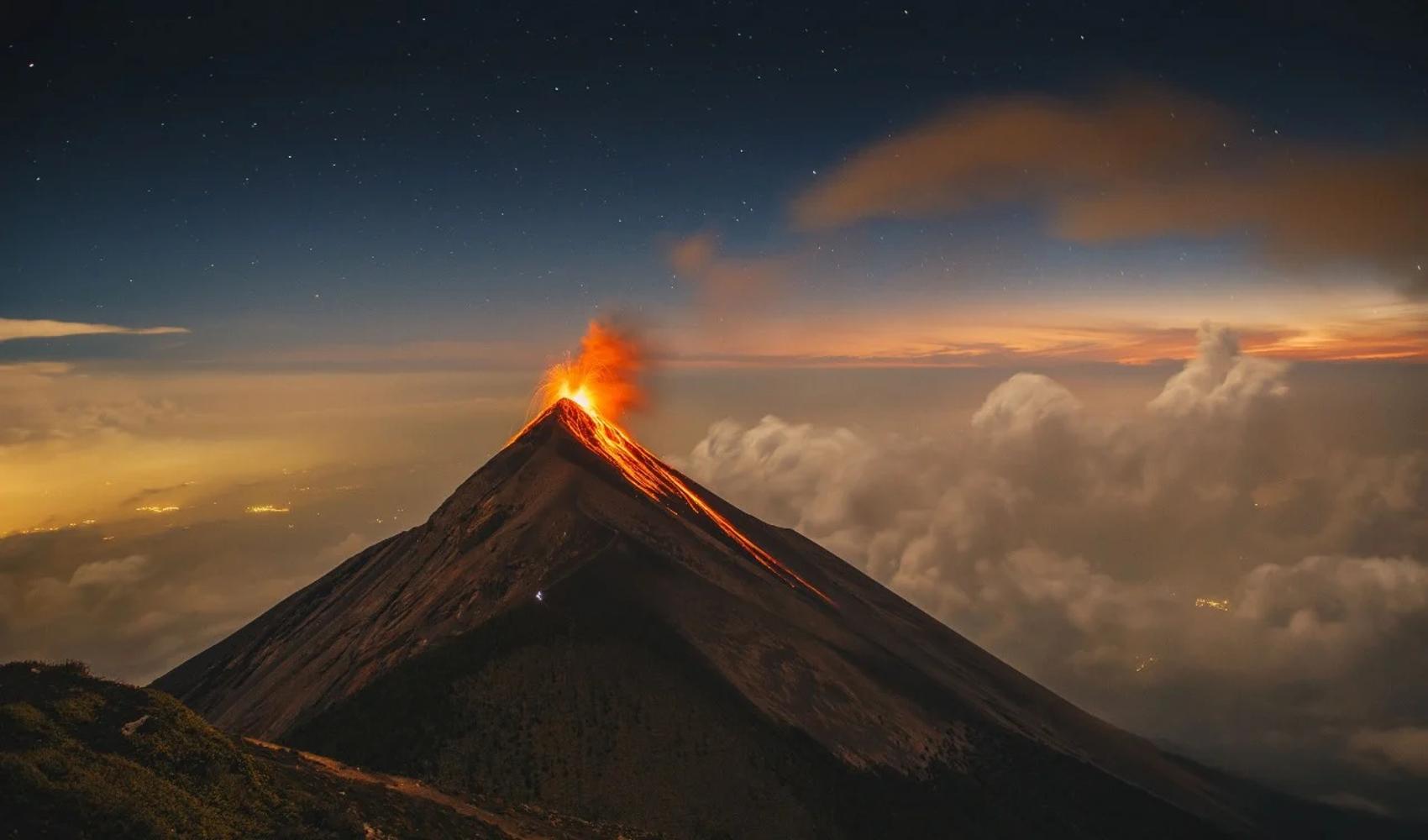
New research on Masaya Volcano in western Nicaragua has revealed a significant finding for monitoring volcanic hazards in the region. According to a report by Sözcü, scientists have determined that there are two active magma zones beneath the volcano that operate independently of each other.
The study, published in the journal Geophysical Research Letters, examined satellite radar data collected between 2018 and 2024. Researchers analyzed ground movements around the volcano to gain new insights into Masaya's internal structure.
According to the study, the ground north of the Santiago Crater subsided slightly from 2018 to mid-2022, but rose again during the 2022-2024 period. It was noted that the area around the crater continued to subside during the same process. Scientists believe these differing movements can be explained by the presence of two separate magma reservoirs beneath the volcano.
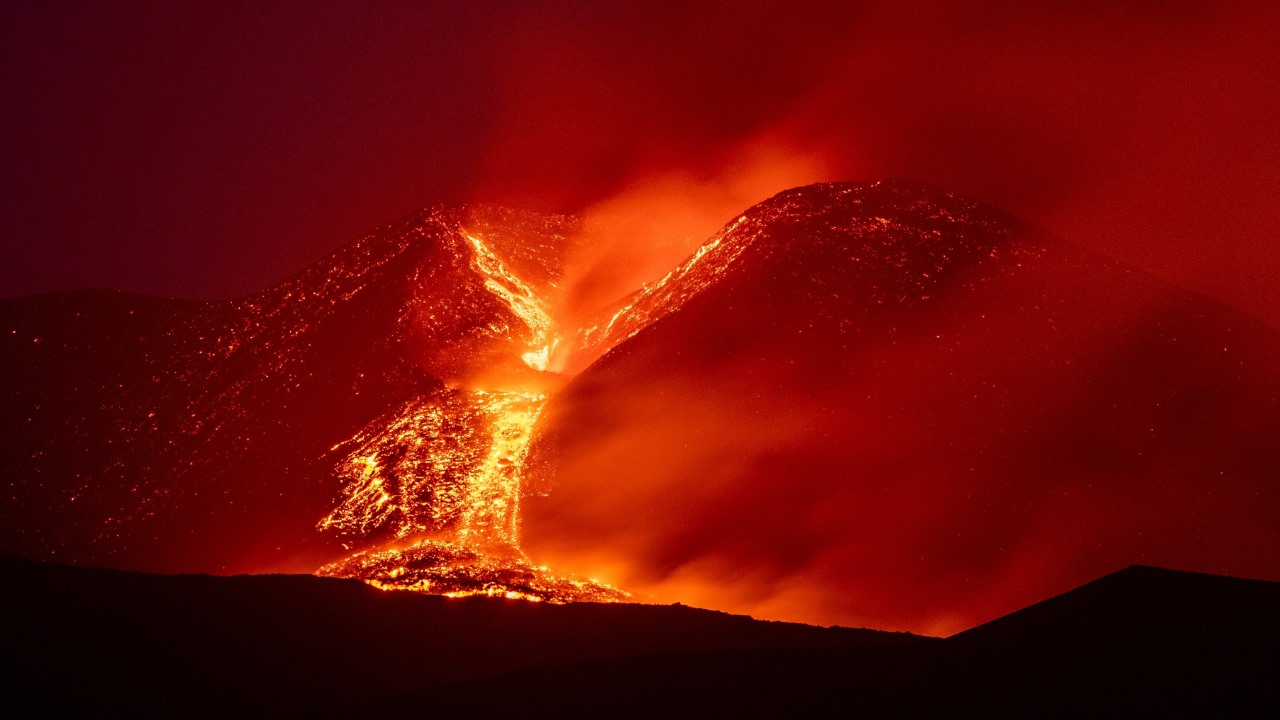
Masaya is classified among basaltic shield volcanoes, where lava typically reaches the surface in a slow and fluid manner. However, researchers point out that the volcano has experienced at least four major Plinian-type eruptions in the past. Therefore, it is emphasized that Masaya should be monitored not only for its calm lava flows but also for its potential for violent eruptions.
Approximately 2 million people live around the volcano, which is located about 20 kilometers southeast of the capital, Managua. The study stated that Masaya continuously emits sulfur dioxide gas, which at times pushes local air quality above World Health Organization limits, posing a risk to public health.
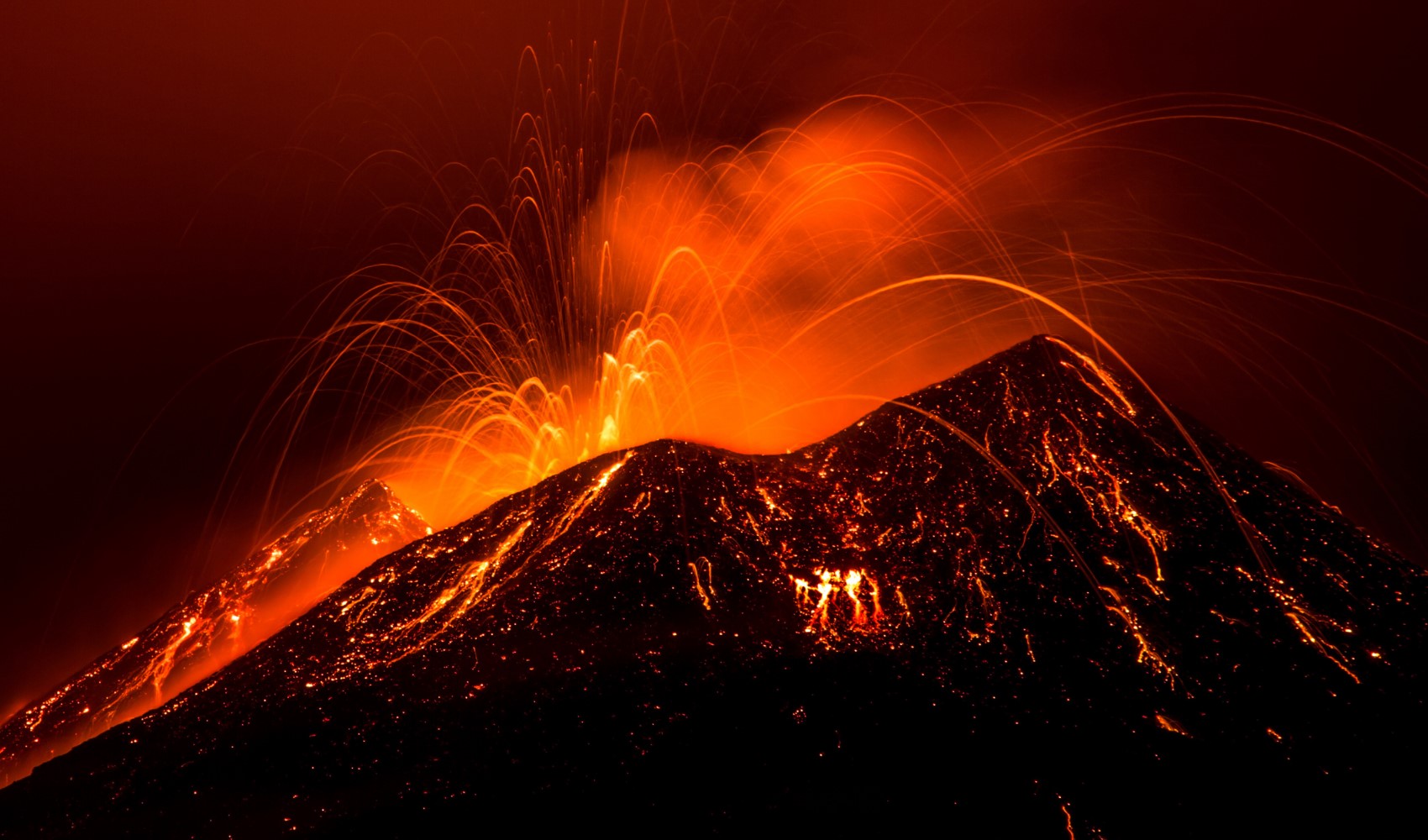
Masaya's last major lava flow was recorded in 1772. A massive eruption that occurred approximately 6,500 years ago is considered one of the largest volcanic events of the last 10,000 years.
According to the researchers, a better understanding of the magma system beneath the volcano is critical for predicting potential future volcanic hazards. It is noted that the findings could provide scientific contributions not only for Masaya but also for the monitoring of active volcanoes with similar structures.
News Source: 12punto
Most Read

Major disrespect from Bellingham to Arda Güler!

FETÖ investigation into the TV series Kurtlar Vadisi Pusu!

The date for the Formula 1 Turkish Grand Prix has been set!
Striking claim regarding two pilots in the crash of a business jet owned by Hamdi Akın

The principle of liberation and foundation of our state
AKP's Şamil Tayyar gives a date for the election!
98,000-square-meter ministry building on AOÇ land!

Trabzonspor's fault line has broken

Farmers clash with security forces in Romania: 24 injured

25 lira water order dispute escalates