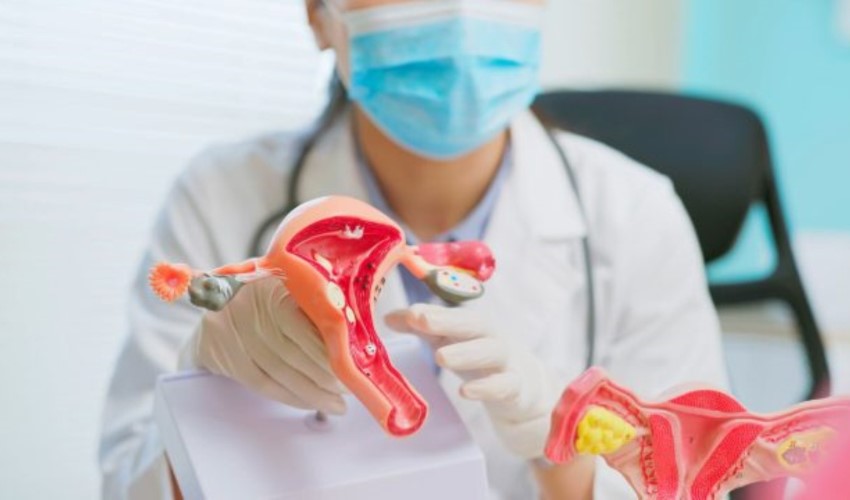
Cervical cancer is a type of cancer that forms in the cervix, the lower part of the uterus. It is known as the second most common cancer in women after breast cancer, causing the death of one woman every 2 minutes worldwide.
Its primary cause is the HPV virus, and it develops on the basis of chronic infection. HPV infection is very common; half of sexually active women encounter an HPV infection during their lifetime. It is not a virus that circulates in the blood and does not show results in blood tests.
It is a DNA virus that settles in the tissue. It particularly favors the cervix in the genital area.
DEFINED AS 'HIGH-RISK HPV'
Furthermore, not every HPV infection progresses to cervical cancer. Approximately 15 HPV types that can lead to cervical cancer are defined as 'high-risk HPV'. HPV types 16 and 18 are the two most common high-risk HPV types associated with cervical cancers in Turkey, as they are in many other places.
Most people infected with HPV do not experience serious problems related to it, but cancer can develop in a small portion of individuals carrying HPV. HPV increases the likelihood of the emergence of many cancer types, such as mouth, throat, vaginal, vulvar, and cervical cancer.
RISK FACTORS
- Starting sexual activity at an early age,
- Having a high number of partners,
- Having a partner who has a high number of partners,
- Smoking,
- Having a weak immune system, for example, those with HIV infection or those using immunosuppressive drugs due to organ transplantation,
- Women with a history or diagnosis of abnormal Pap smear results or pre-cancerous cervical cell changes,
- Women who do not have regular Pap tests,
- Women diagnosed with HPV,
- Women who have not been vaccinated against HPV.
REGULAR SCREENING SHOULD NOT BE NEGLECTED
Apart from getting vaccinated, screening tests, regular gynecological check-ups, and smear tests are very important, especially after sexual life begins.
Additionally, staying away from cigarettes, exercising, and eating healthy will boost our immunity; this will enable us to overcome a potential HPV infection even if we encounter one.
TREATMENT METHODS FOR CERVICAL CANCER
- If the pre-cancerous lesion (CIN 2-3) has not penetrated the depth of the tissue, the area it affects on the cervix can be determined via colposcopy.
- By surgically removing the area, the potentially cancerous region is eliminated, providing a high rate of recovery for the patient. It is a simple surgical procedure. Apart from this, if a cancer diagnosis is made, surgical intervention, radiotherapy, and chemotherapy methods are used either alone or in combination with each other.
- If the cancer has become invasive, a 'radical hysterectomy' is performed.
- At the same time, since cancer cells affect the lymph nodes in the pelvic region, they are also removed. Chemotherapy and radiotherapy are also applied to the patient after surgery.
News Source: 12punto