Vendors and citizens at the local market in the Polatlı district of Ankara explained that the high cost of living and rising expenses are making daily life increasingly difficult. While market vendors stated that fuel, labor, and packaging costs for bringing in products are eroding their earnings, shoppers said that rent, utility bills, education, and kitchen expenses are exceeding their incomes.
Çağrı Karaoğlu, who sells tangerines at the market, expressed that both the producer and the vendor are in a difficult situation. Stating that sales revenue does not cover expenses, Karaoğlu said, "If we sell four kilos of tangerines, we can buy one liter of fuel."
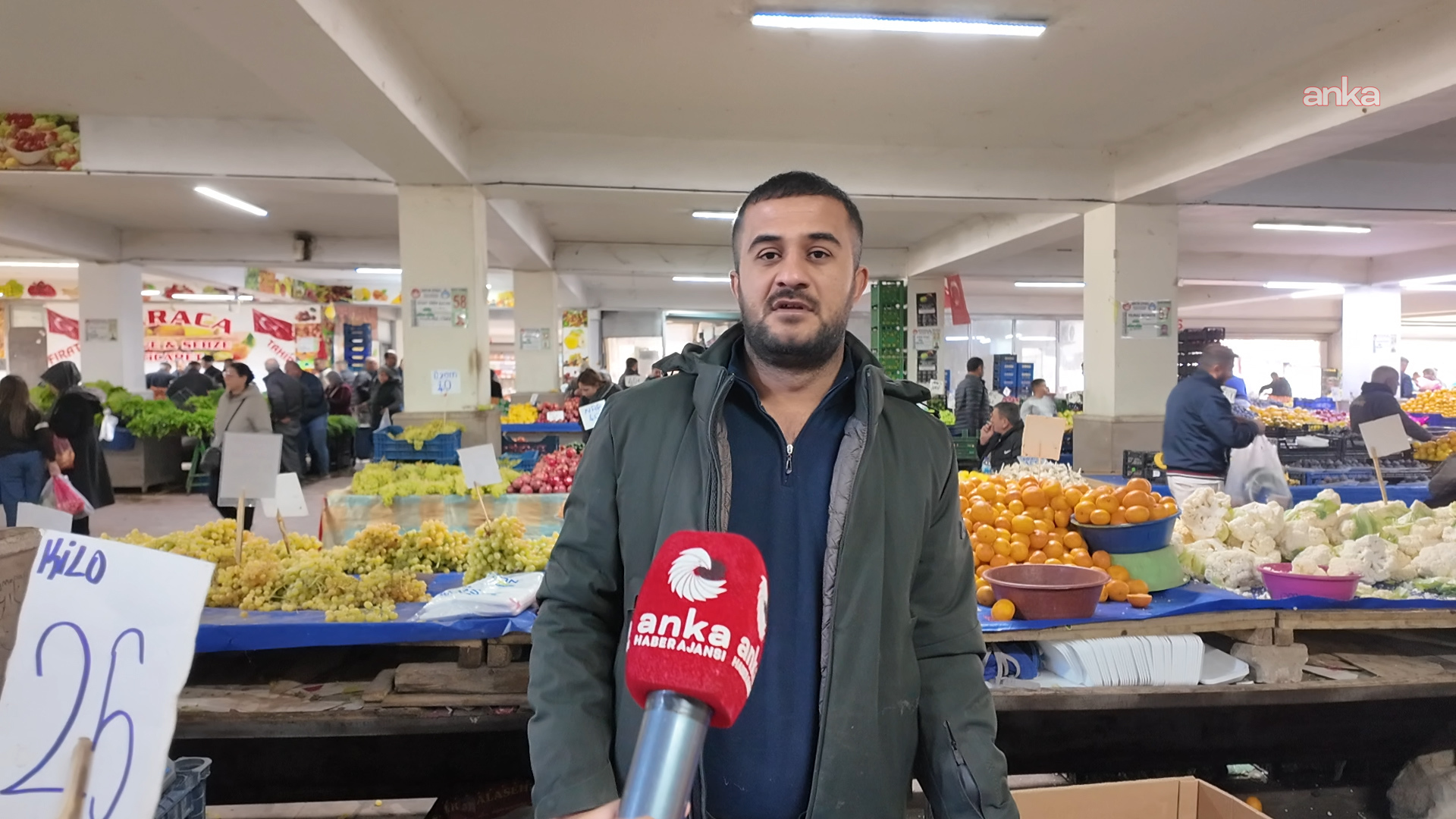
VENDOR: INCOME DOES NOT COVER EXPENSES
Stating that fuel, labor, and plastic bag costs have risen, Karaoğlu noted that if products are not sold by the end of the day, they go to waste. Explaining that he spends 25-30 thousand liras on fuel to bring products from Antalya, Mersin, or İzmir, Karaoğlu said, "What we sell does not cover what we buy. The goods that arrive today are not sold today. In the end, the goods went to the trash at the end of the day."
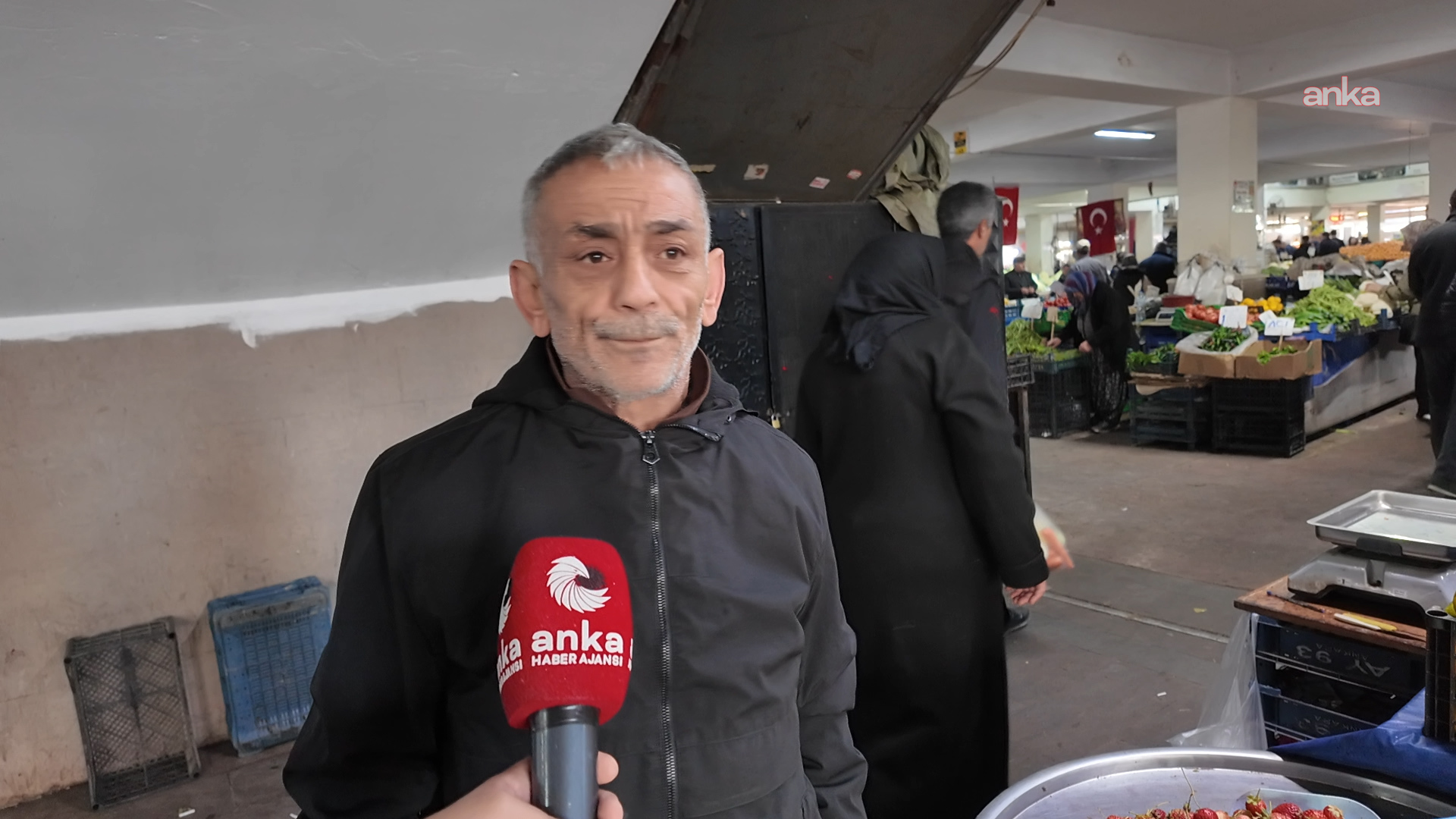
Another citizen working as a vendor at the market said that they are trying to cover the education expenses of their two grandchildren with a pension. Explaining that one of their grandchildren is studying dentistry and the other engineering, the vendor drew attention to the burden of education and living expenses by saying, "When we sent ten thousand liras each, it was gone."
The same vendor stated that the costs of social life have also risen, noting that their grandchildren told them a coffee costs 150 liras and a bowl of soup costs 200 liras. They used the expression, "I will eat bread and tomatoes, but I will educate my grandchildren."
REACTION TO MINIMUM WAGE FROM CITIZENS
Türkan Bayrak, who came to the market to shop, also said that it is becoming increasingly difficult to make a living on the minimum wage. Stating that she and her husband both work and that four people live in their home, Bayrak expressed that they still struggle to do their market shopping.
Bayrak said, "If the person who sets the minimum wage came to the market and did their own shopping, they would understand very clearly what we mean. There are four of us at home and two of us are working. I leave my children to God's protection when I go out. But we cannot do the household shopping."
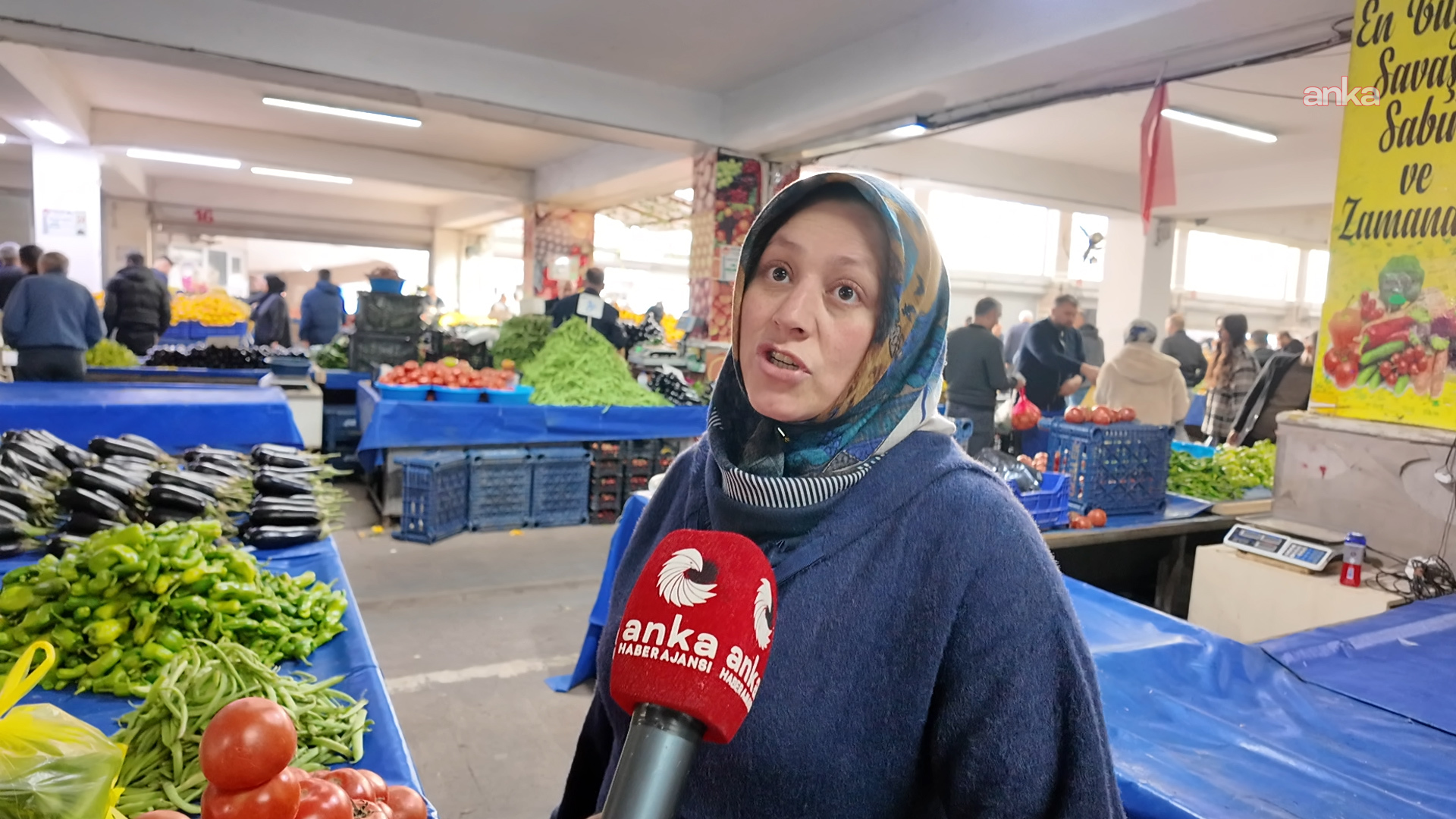
Bayrak said that when calculating income and expenses, 20 thousand liras are set aside for rent, and on top of that, bills, education, school bus, courses, and kitchen expenses are added. Saying, "If you don't know anything else, just calculate the cost of dry bread," Bayrak emphasized that even basic needs are straining the household budget.
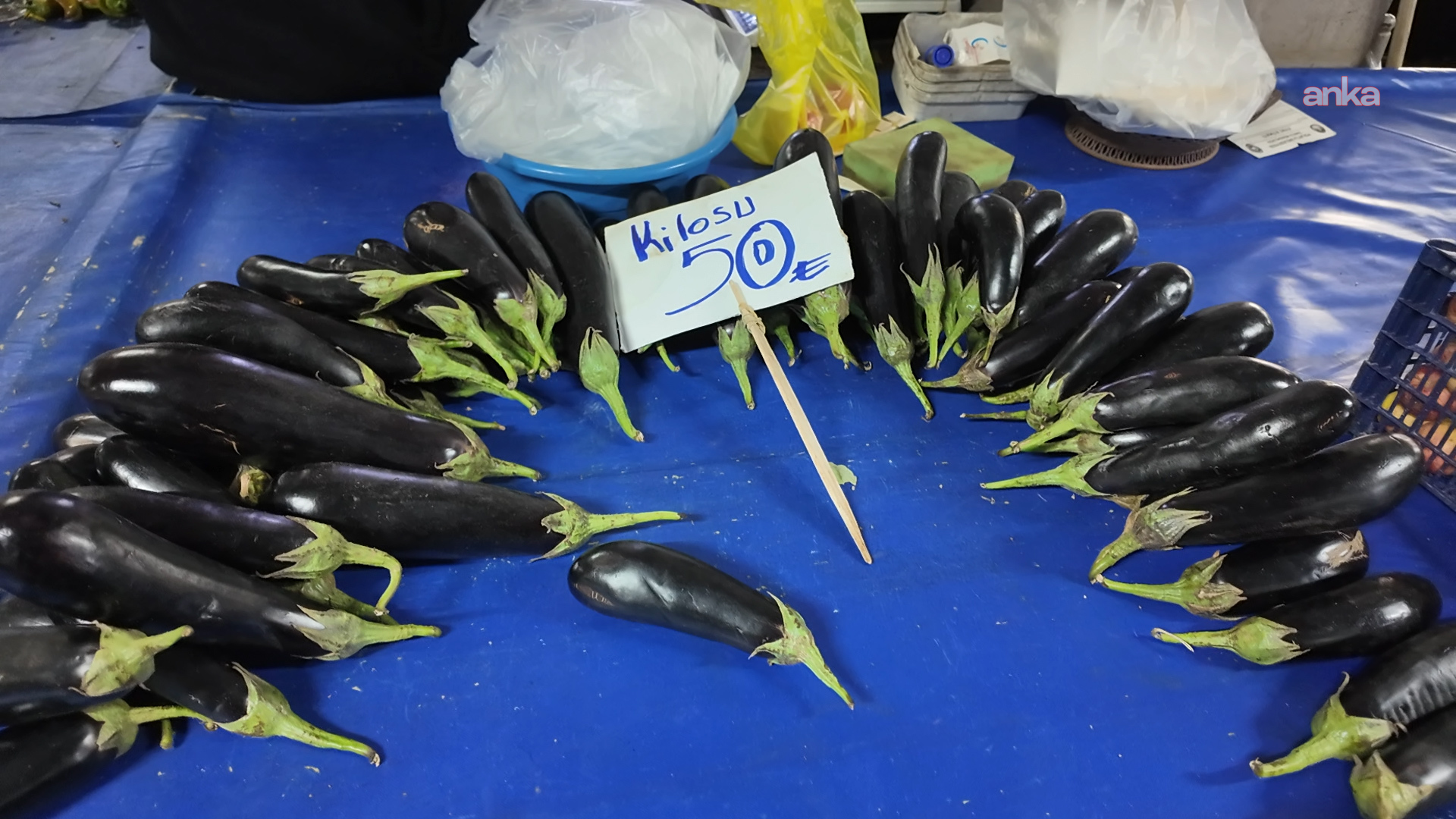
Ahmet Ünal, who sells fruit, complained about the stagnation in sales. Stating that they cannot cover the cost of the products brought to the stall, Ünal said, "There are no buyers. There are sellers. People have no money."
Ünal stated that the value of the products on the stall is at least 30 thousand liras, but only 5 thousand liras can be earned from sales, adding that if the products remain unsold, they will rot and be thrown away. The common complaint of both vendors and citizens was that both selling and shopping at the market are becoming increasingly difficult.
News Source : 12punto