

AI-driven cybersecurity alarm at the Pentagon: Warning of a 'tenfold increase' in vulnerabilities
The U.S. Department of Defense's digital infrastructure has become a subject of renewed debate due to cyber threats accelerated by artificial intelligence.




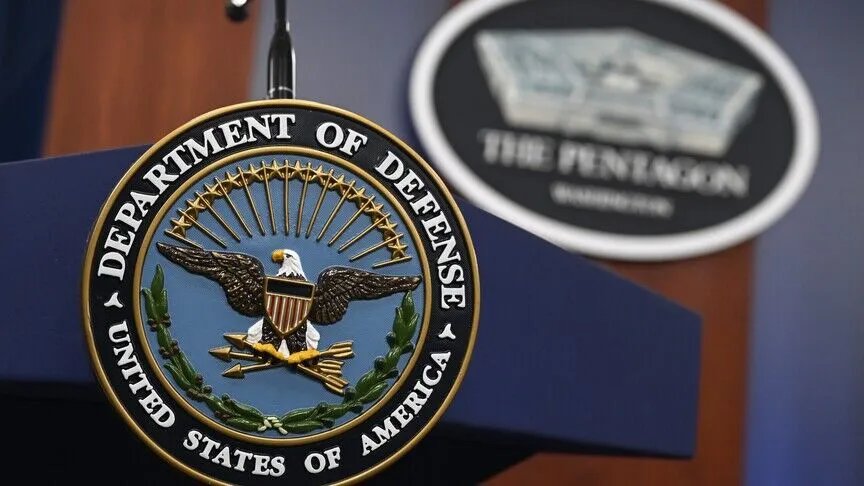
The rapid development in artificial intelligence technologies has intensified security debates regarding the U.S. Department of Defense's digital infrastructure. According to a report by the Washington Post, the Pentagon's long-deferred infrastructure investments now pose a national security risk in the face of potential AI-powered cyberattacks.
The report included assessments from Lieutenant General Paul Stanton, Director of the Pentagon's Defense Information Systems Agency (DISA) and Commander of the Department of Defense's Joint Force Headquarters-Department of Defense Information Network. It was reported that Stanton stated there has been a "tenfold increase" in cybersecurity vulnerabilities alongside the advancement of artificial intelligence.
CYBERSECURITY VULNERABILITY WARNING
Stanton drew attention to maintenance and sustainability issues in the agency's technology infrastructure, sending a message that delays could now lead to serious consequences. According to the remarks cited in the report, Stanton said, "We have deferred and delayed the sustainability and maintenance of our systems to the point where it is creating potential vulnerabilities for us, and enough is enough."
The Washington Post's analysis noted that the Pentagon's vulnerability to AI-driven cyberattacks is viewed as an urgent threat to the U.S. national security apparatus. According to cybersecurity experts, this risk has become an agenda item as urgent as, if not more so than, the debates regarding the long-term existential impacts of AI.
The debate is growing in the shadow of a divide between AI companies and policymakers in the U.S. regarding the speed of the technology. It was previously reported that Jacob Coxon, a researcher at Anthropic, had resigned following his warning that AI could "kill everyone by the end of the next decade."

It was reported that executives from three major AI companies, including Anthropic, have called for limiting the speed of technological development in the U.S. However, it was stated that President Donald Trump and Vice President JD Vance did not find this stance "sincere" and argued that AI efforts must continue without slowing down to avoid falling behind in the competition with China.
Thus, the Pentagon's infrastructure warning has moved beyond being merely a technical cybersecurity issue, becoming part of a broader debate linked to the U.S.'s strategic choices in the AI race.
News Source: 12punto
Most Read

The Spanish Super Cup Istanbul schedule has been announced

Stations ask EMRA about prices that don't fit on signs

Statement from the Ministry of Youth and Sports on Galatasaray

Erdoğan-Trump meeting to be held in New York

Ümit Özdağ files criminal complaint over signs in Diyarbakır

Let us not forget the 'Morea Massacre' and the atrocities committed by Greeks against Turks

Visa hurdle for THY Women's Volleyball Team

The wholesale produce issue!

Statement from Hedef Holding regarding Namık Kemal Gökalp

The Kaşif Kozinoğlu enigma!