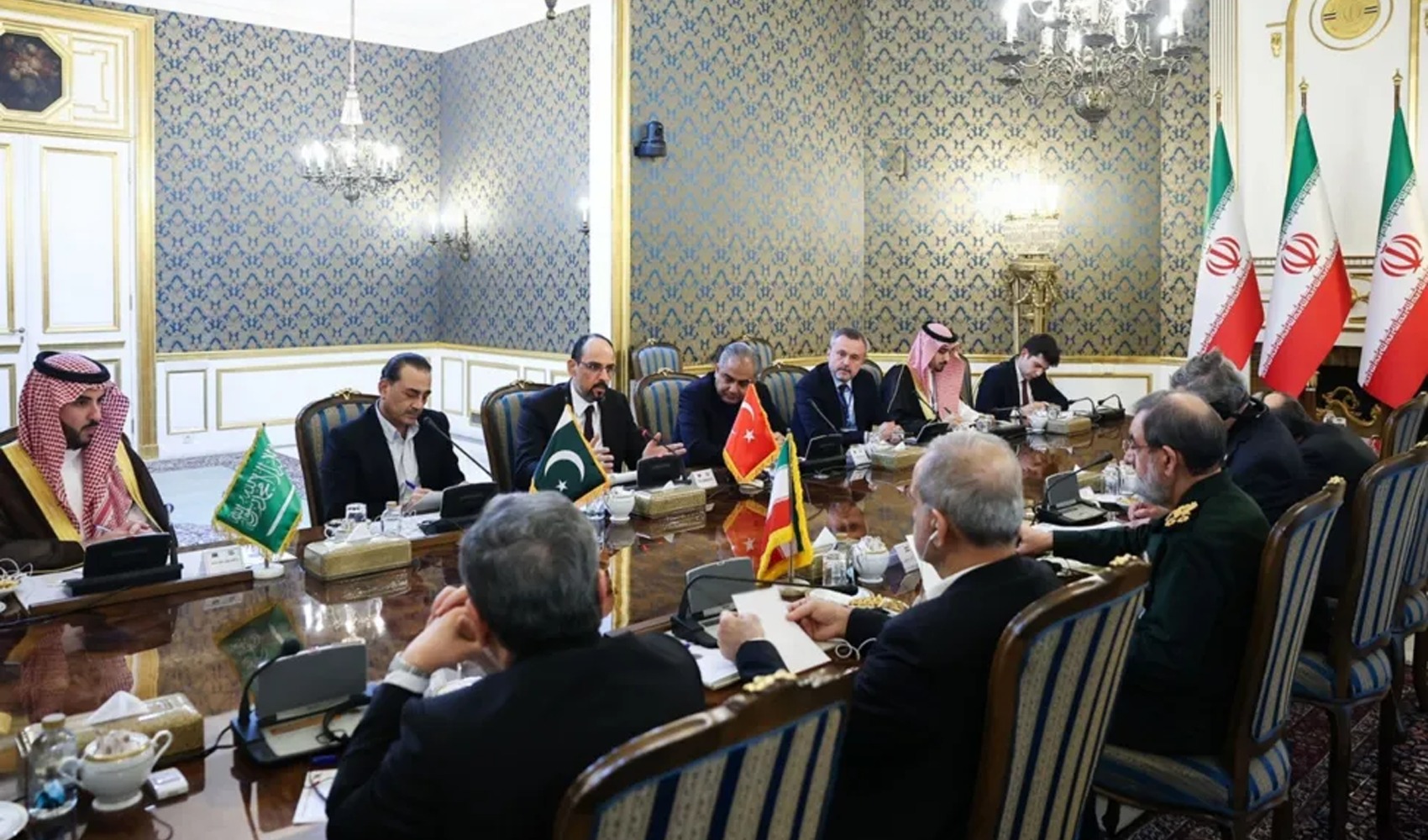
The Iranian capital, Tehran, hosted a notable security diplomacy event attended by high-level representatives from Turkey, Saudi Arabia, and Pakistan. The meetings, hosted by Secretary of the Supreme National Security Council of Iran Mohsen Rezaee, were attended by MIT Chief İbrahim Kalın on behalf of Turkey, Minister of Defense Prince Khalid bin Salman on behalf of Saudi Arabia, and Chief of Army Staff General Asım Münir on behalf of Pakistan.
Following the contacts, which also included Iranian President Masoud Pezeshkian and Foreign Minister Abbas Araghchi, a brief statement was released announcing that the four countries had agreed to continue dialogue to strengthen cooperation, including on regional peace and security.
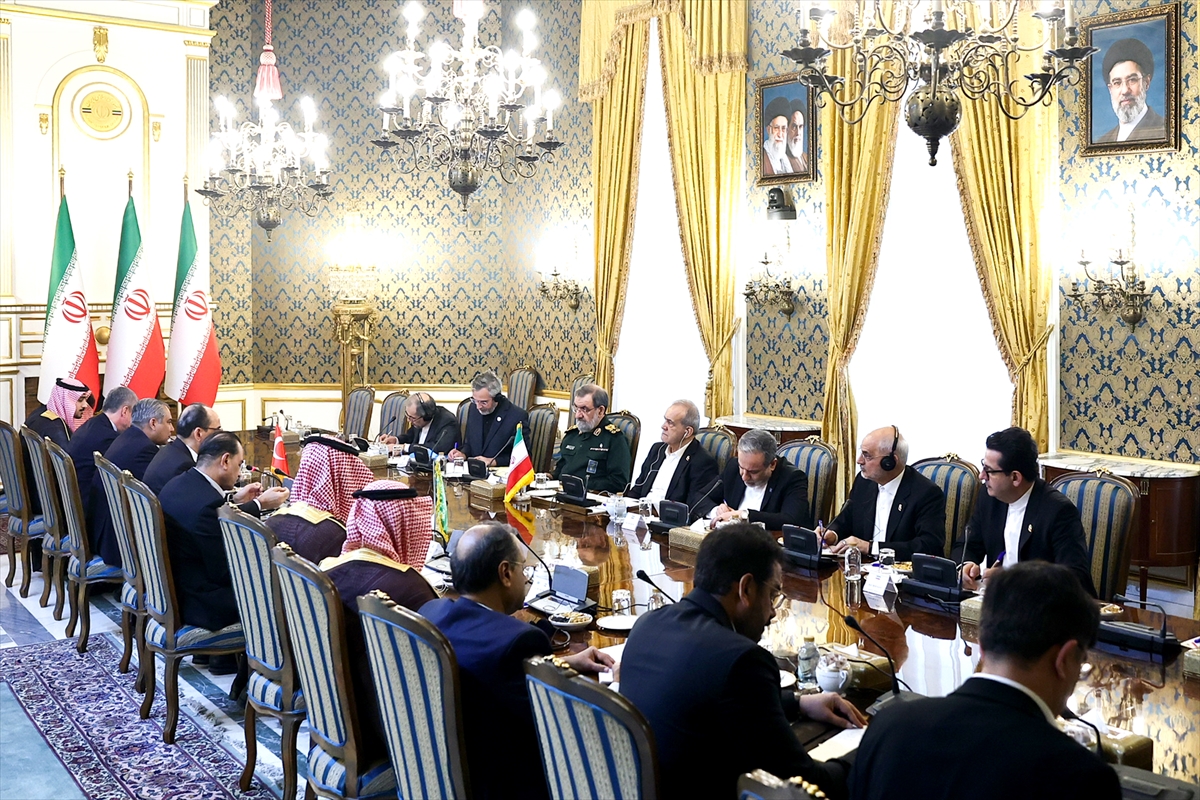
The timing of the visit gained additional significance due to the "Mecca Joint Defense Agreement" previously signed between Turkey, Saudi Arabia, and Pakistan. The agreement is based on the understanding that an attack on one of the parties is viewed by the others as a joint security issue. In this context, the table in Tehran is considered not merely a diplomatic courtesy visit, but part of new security pursuits in the region.
AGENDA OF THE MEETINGS
According to Pakistani security sources speaking to Reuters, the meeting addressed topics such as the establishment of a regional non-aggression network, US-Iran contacts, attacks by Ansar Allah in Yemen against Saudi Arabia, the Strait of Hormuz, and the blockade imposed by the US on Iranian ports. The same sources claimed that Pakistani Chief of Army Staff Asım Münir went to Tehran after receiving approval from Washington to "try diplomacy."
According to this claim, Munir presented a proposal to Iran that would include certain gains for both Washington and Tehran; he conveyed the message that if an agreement is reached, Turkey, Saudi Arabia, Pakistan, and Qatar could act as guarantors. It was reported that the Iranian side conveyed that its own conditions must be met for the war to end.
The background of the Tehran summit includes attacks on Iran, Gulf security, energy supply routes, and rising tensions along the Yemen line. Risks around the Strait of Hormuz and the Bab-el-Mandeb directly affect the energy exports and security calculations of regional countries. Saudi Arabia's predicament regarding the Red Sea and Yemen file is also considered one of the topics reflected in the meetings.
WARNING FROM TEHRAN ON DISCOURSE AND ACTION
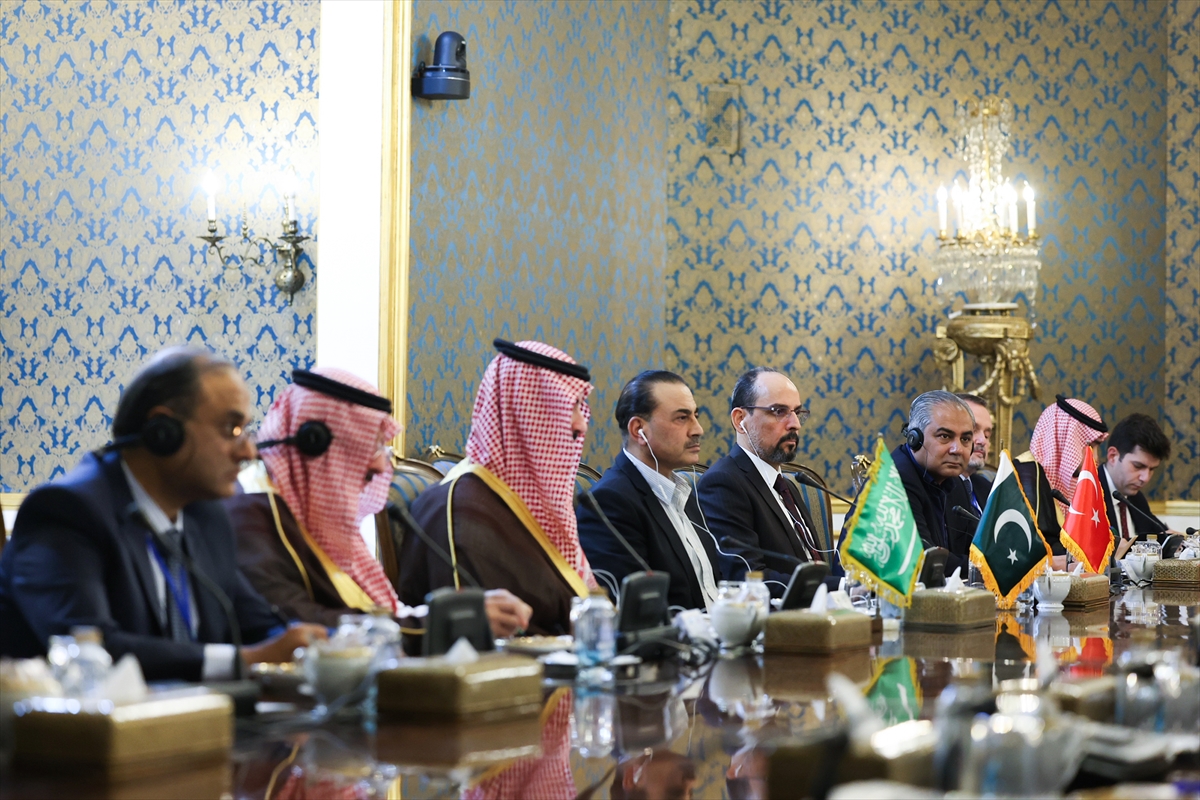
In his assessment during the meetings, Iranian President Pezeshkian argued that the US and Israel aim to weaken regional countries and create divisions among Muslim societies. Stating that the decisions taken in diplomatic contacts should not remain on paper, Pezeshkian called for harmony between "discourse and action."
It is imperative that there be harmony between discourse and action in regional relations. We must not say something we do not believe in or will not stand behind in practice.
Secretary of the Supreme National Security Council of Iran Mohsen Rezaee also stated after the meetings that security in West Asia must be provided "from within" and that foreign interference must be prevented. Rezaee described the visit of the Turkish, Pakistani, and Saudi Arabian delegations as the result of a new atmosphere in the region.
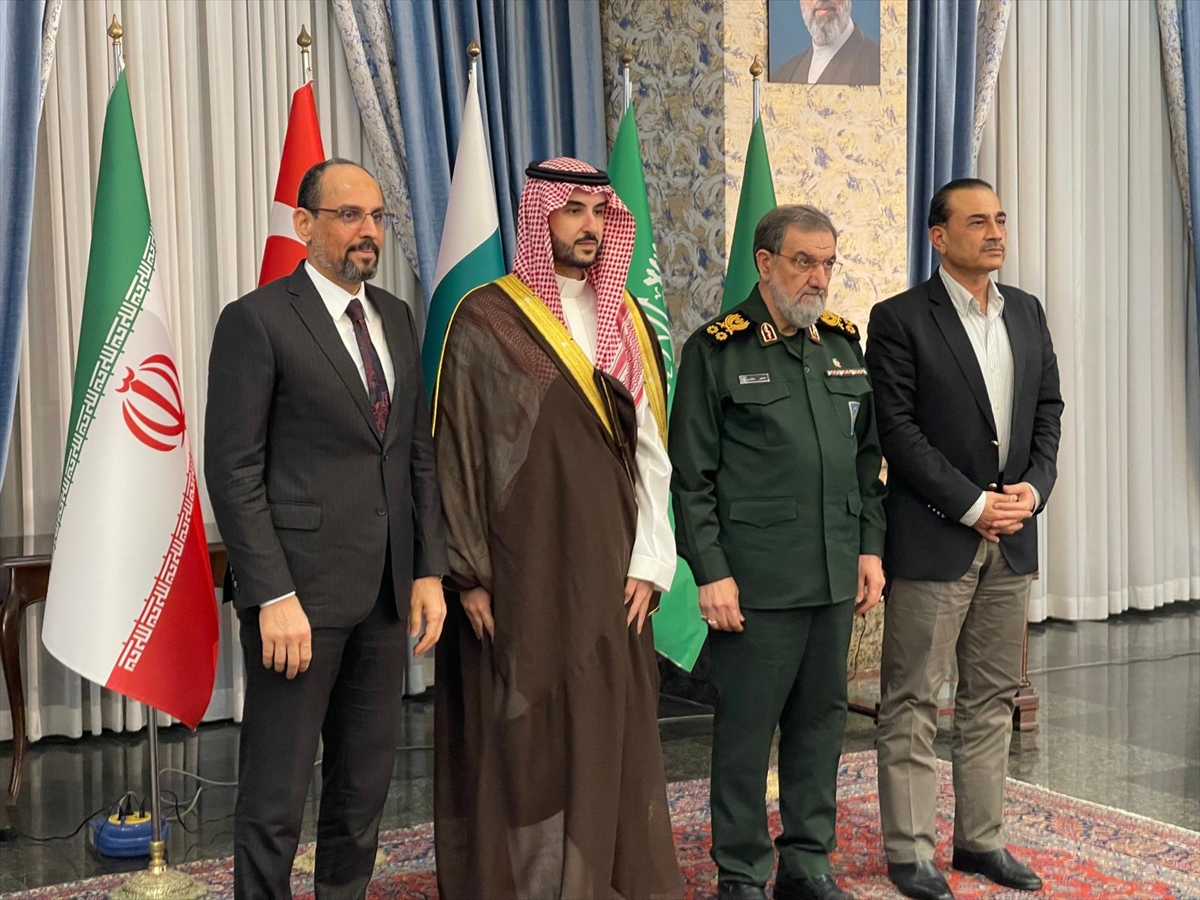
On the Turkish side, Ankara's search for a role in the regional security equation and the defense line it has established with Saudi Arabia and Pakistan are being closely watched. Foreign Minister Hakan Fidan had previously stated that this cooperation was "defensive in nature" and did not target Iran. However, the relationship of the agreement with NATO obligations and the US's regional priorities continues to be a subject of debate.
The four-party contacts in Tehran showed that diplomatic traffic in the region could intensify further in the coming period. However, the distance between the positions of the parties on issues such as Yemen, Hormuz, the US-Iran line, and Israel's role in the region makes it difficult for a quick result to emerge from the table.
News Source: 12punto