

Israel’s ‘crocodile prison’ plan blocked by court
The Jerusalem District Court has temporarily halted a plan to build a moat filled with Nile crocodiles around Ketziot Prison.



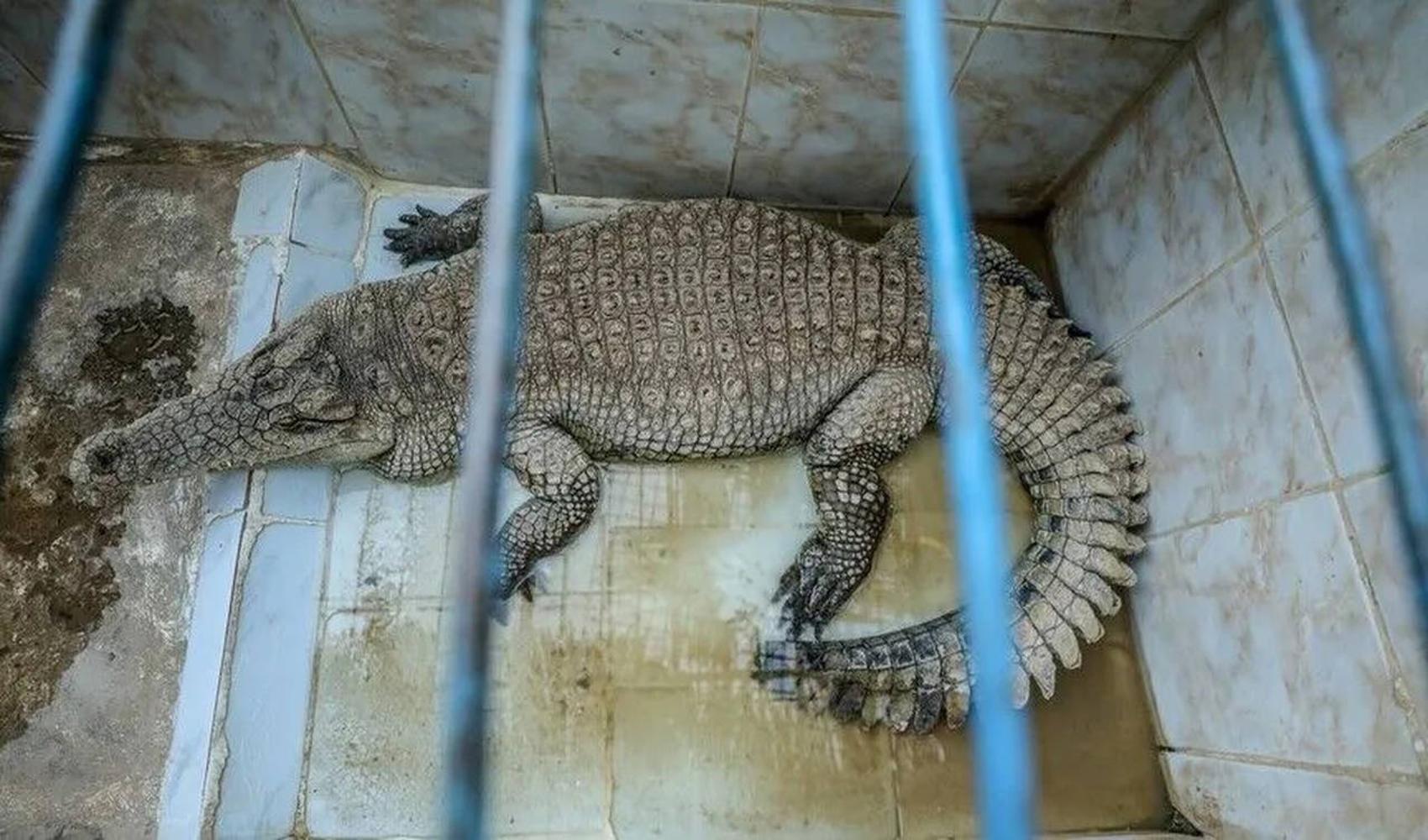
A government plan in Israel to build a moat filled with crocodiles around Ketziot Prison, which houses Palestinian detainees, has been blocked by the judiciary. The Jerusalem District Court has temporarily prohibited all actions related to the transport of Nile crocodiles to the prison and preparations for their relocation.
The court has given the Israeli administration until August 16 to respond to the petition. The decision was made following an urgent application by the animal rights organization Let the Animals Live, which argued that the project poses serious risks to public safety, the environment, and animal welfare.
The controversial plan was supported by Israel’s Minister of National Security, Itamar Ben-Gvir, and the Minister of Environmental Protection, Idit Silman. According to the project, a water-filled canal would be created around Ketziot Prison, where high-security detainees, including members of Hamas, are held, and Nile crocodiles would be placed in this area.
Ben-Gvir had previously argued that they were inspired by similar practices in Florida and that the plan would increase prison security and deter escape attempts.
ANIMAL STATUS CHANGED
To implement the project, the legal status of Nile crocodiles was also changed. Minister of Environmental Protection Silman reclassified the protected crocodiles as “maintained wild animals.” This step was intended to pave the way for the crocodiles to be kept around the prison under the supervision of the Israel Prison Service.
However, it was reported that the decision was made despite objections from legal advisors and the Israel Nature and Parks Authority. The authority opposed the plan, stating that there was no scientific basis or feasibility study for the project.
The Israel Nature and Parks Authority warned that the necessary infrastructure for keeping crocodiles safely in the Negev Desert had not been prepared. The authority also stated that introducing a large predator species not native to the region could pose risks to the environment, prison staff, detainees, and public safety.
In its petition to the court, Let the Animals Live alleged that excavation of the canal around the prison had already begun and that negotiations with crocodile farms were underway. The organization also stated that approximately 21 million shekels had been allocated for the project.
Following the court's decision, Ben-Gvir accused the judiciary of obstructing measures aimed at increasing deterrence in prisons. Ben-Gvir argued that the project was not a “stunt” and that preparations had been made in detail.
News Source: 12punto
Most Read

The Spanish Super Cup Istanbul schedule has been announced

Results of the night in the Europa League are in

Stations ask EMRA about prices that don't fit on signs

Statement from the Ministry of Youth and Sports on Galatasaray

Erdoğan-Trump meeting to be held in New York

Police Chiefs Decree Published in the Official Gazette

Ümit Özdağ files criminal complaint over signs in Diyarbakır
Visa hurdle for THY Women's Volleyball Team

Statement from Hedef Holding regarding Namık Kemal Gökalp

The Kaşif Kozinoğlu enigma!