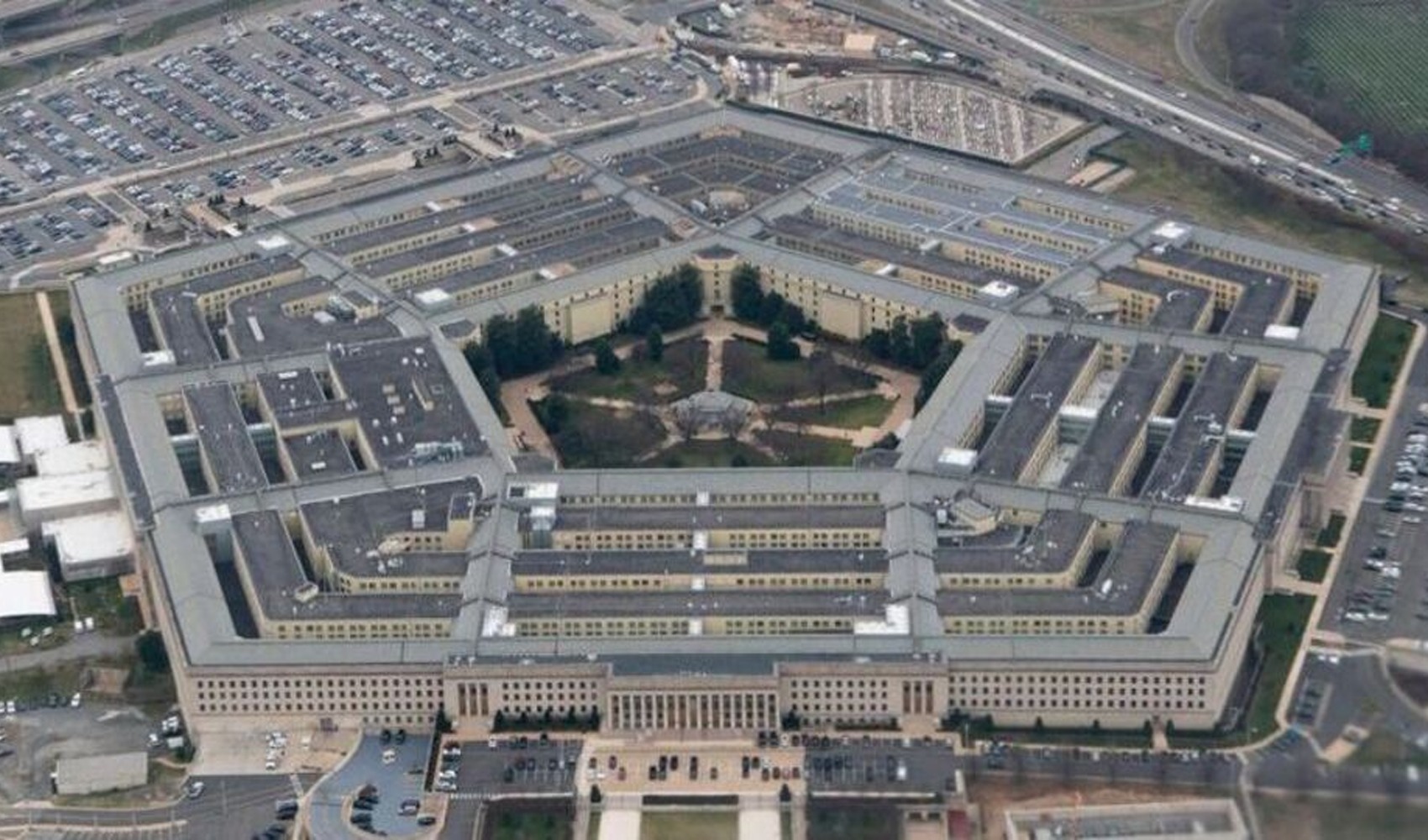
The US Department of Defense is reportedly working on a new resilience standard to ensure that major military bases within the country can operate for at least 90 days without external support under extraordinary conditions.
According to a report published by Fox News on October 25, based on Pentagon documents, the program called FORTRESS aims to maintain the operational continuity of the American military in scenarios such as war, cyberattacks, power outages, or supply chain crises.
The program aims to reduce the dependence of bases on civilian infrastructure not only for electricity needs but also in areas such as water, fuel, communications, ammunition, critical parts, and medical supplies.
DEPENDENCE ON CIVILIAN INFRASTRUCTURE TO BE REDUCED
In his assessment to Fox News, Pentagon spokesperson Sean Parnell emphasized that US defense capacity should not be affected by disruptions in municipal services and civilian infrastructure systems. Parnell pointed out that power outages, in particular, could lead to serious problems in communications, logistics, production facilities, and command systems.
The new approach acknowledges that in modern warfare conditions, energy plants, water networks, factories, and communication infrastructure within the country can become targets or risk factors just as much as the front line. In US defense circles, it is considered that being surrounded by two oceans no longer provides a sufficient security advantage on its own.
One of the priority topics of FORTRESS is for major military facilities to be able to operate independently of the civilian power grid. In this context, it is stated that solutions such as microgrids, large battery storage systems, and small-scale portable nuclear reactors are on the agenda for the bases.
The plan is not expected to be implemented in all bases in the short term. It is stated that the Pentagon is working to determine the needs, costs, and investment schedules of the facilities, and that the implementation of all elements of the program could take many years.
STOCKS AND PRODUCTION NETWORK ARE ALSO PART OF THE PLAN
In addition to energy and water resilience, the program also covers wartime logistics. It was reported that the Pentagon plans to create strategic reserves for ammunition, fuel, critical minerals, electronic parts, spare equipment, and medical supplies against potential disruptions in global supply chains.
Another goal is to avoid dependence on a single manufacturer or a single supply channel in the defense industry. Accordingly, it is envisioned that at least two alternative supply or production options will be kept ready for critical materials and equipment.
Another pillar of FORTRESS is the ability to direct civilian industrial facilities to defense production during crisis periods. In this context, it is planned to pre-identify factories that can switch to military material production, prepare technical conditions, and test their production capacity and cybersecurity levels.
The preparation debate in the US has also brought the European Union's crisis preparedness strategy back to the agenda. In March 2025, the European Commission recommended that citizens keep basic necessities on hand for at least 72 hours in the event of natural disasters, cyberattacks, sabotage, geopolitical crises, or armed conflict.
News Source: 12punto