


The Çanakkale robbery -1- How was the Troy treasure smuggled out?


A STONE IS HEAVY IN ITS PLACE – 175
In 1915, the Ottoman people and the Ottoman army stood against seven nations and defended their homeland in the Battle of Gallipoli, which went down in world history and in which Mustafa Kemal was also among the commanders.
Forty-two years before this date, Çanakkale was the scene of a robbery that would later be heard of all over the world.
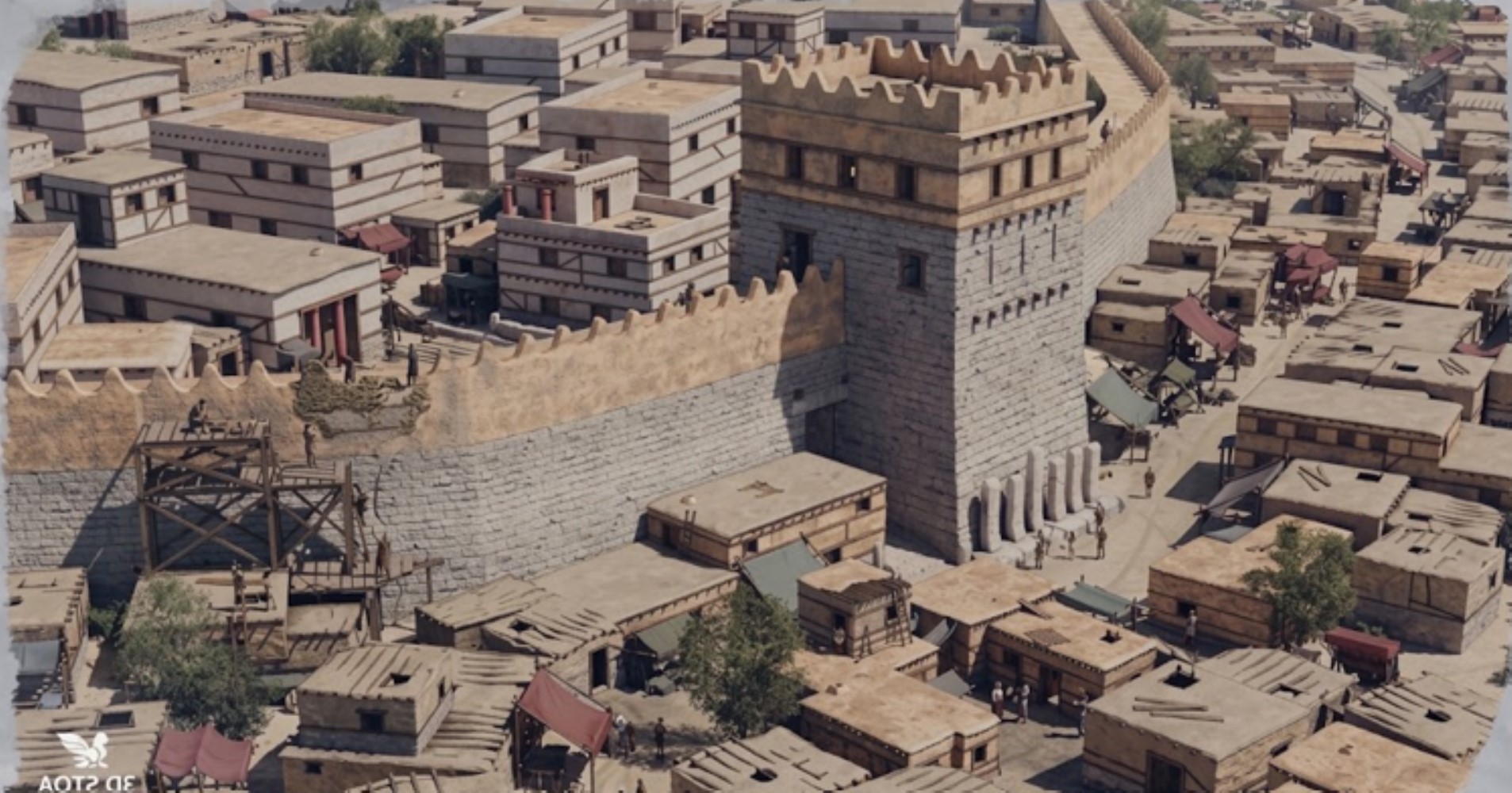
(Reconstruction of the Troy South Gate and Walls. Source: Reddit)
***
In this series of articles that we have been continuing for years under the title "A Stone is Heavy in Its Place," we trace the artifacts that were removed from the lands of Anatolia and distributed to various museums around the world.
While telling the stories of those taken from Bergama and those torn from other cities, it was unthinkable that our path would not cross with Troy.
Because one of the most well-known and controversial stories of ancient artifacts moved from Anatolia to Europe in the 19th century took place here.
German businessman Heinrich Schliemann came to find Troy, which the peerless poet Homer described in his famous epic, the Iliad; he conducted wild excavations and found an extraordinary treasure.
Then that treasure was smuggled out of Troy and went on another journey that extended to Athens, Berlin, and from there to Moscow after the war.
Like the Altar of Zeus in Bergama, it was ruthlessly uprooted from the lands to which it belonged and taken far away.
How did this smuggling begin?
What did the Ottoman State do to get the treasures back?
Why are the treasures of Troy still not in Troy today?
Let's take a look based on documents!
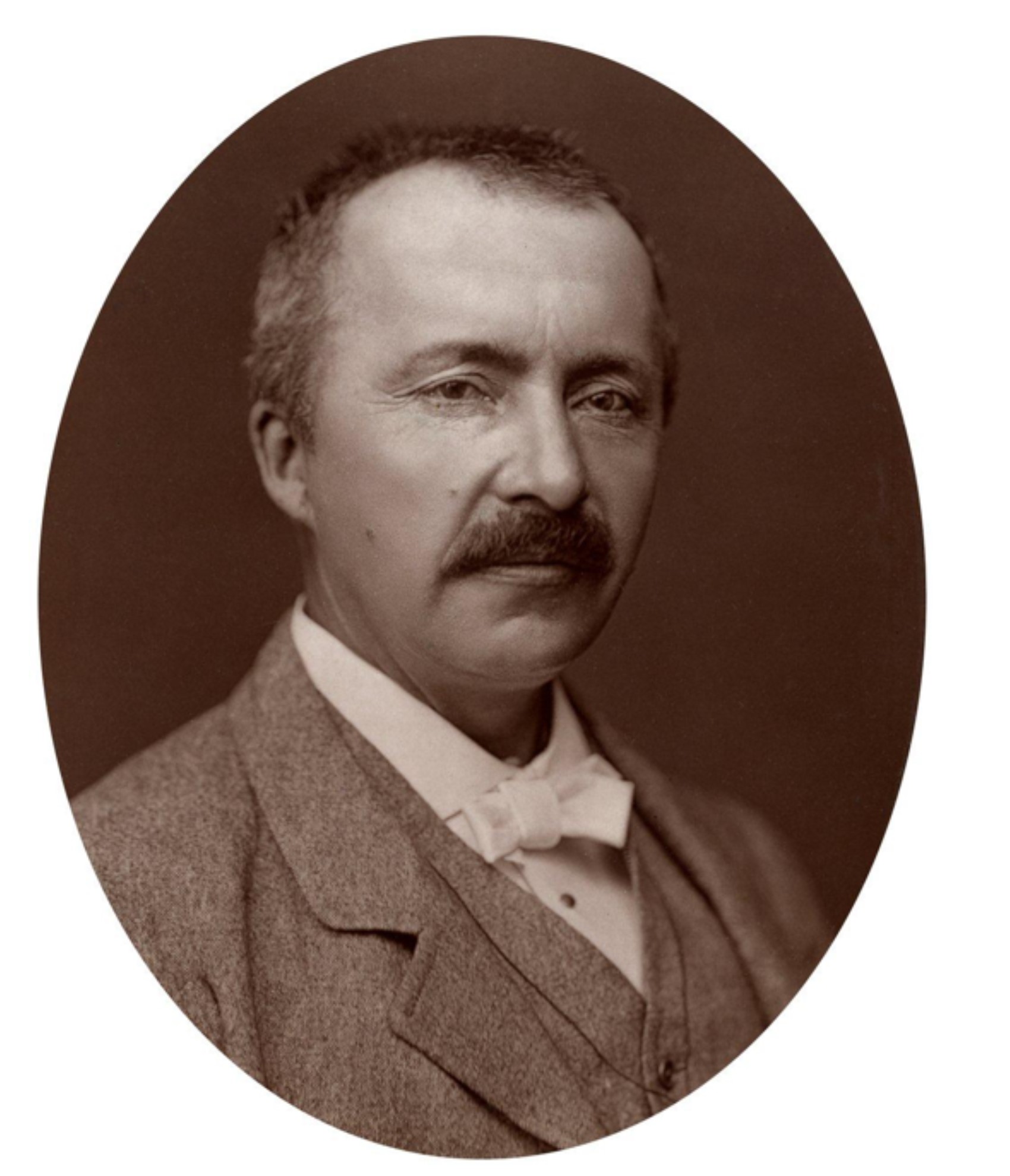
(German Heinrich Schliemann-1870)
***
Heinrich Schliemann was born in Germany on January 6, 1822.
He was a quite extraordinary person who transformed from the son of a poor pastor into a wealthy merchant of global stature. He had an extraordinary talent for learning languages.
He entered the business world at a young age and over time became the owner of a great fortune.
However, his real passion was not trade. Since his childhood, he had dreamed of finding Troy, which he had heard stories about and which was described by the magnificent poet of the Ancient Age, Homer.
The Iliad and the Odyssey were two immortal masterpieces.
They were etched into the memory of those who read them, especially children.
He parted ways with his Russian wife, whom he thought did not share his passion for Troy, even though they had three children.
He made his second marriage in Athens to Sophia Engastromenos, a Greek merchant's daughter who was much younger than him, because he was looking for someone to share his dream of Troy. Sophia became Schliemann's closest partner in the Troy excavations.
***
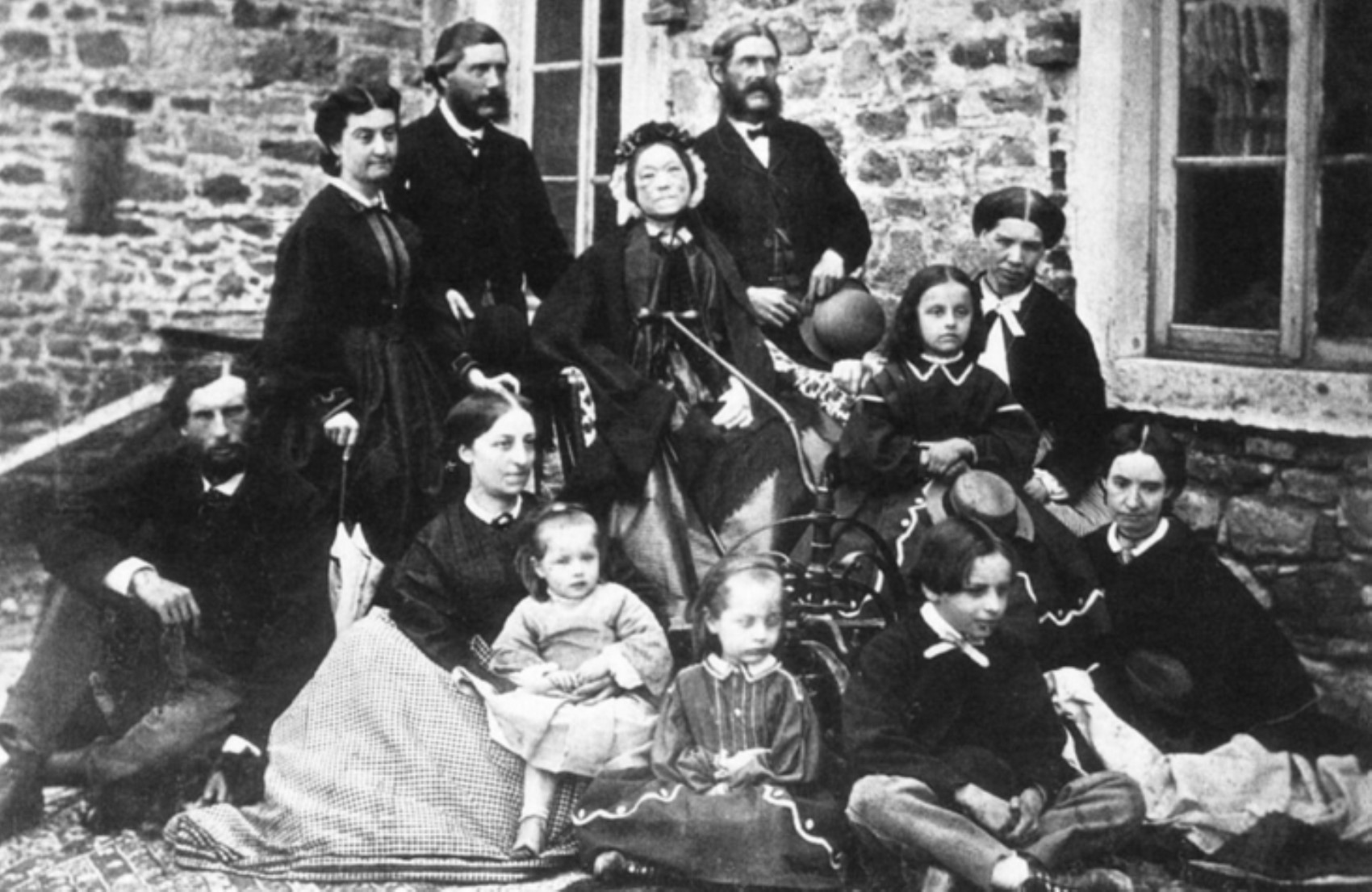
(Frank Calvert and his family-1866)
After earning his fortune, he was gripped by the ambition to find Troy. Between 1866 and 1868, he attended lectures on Ancient history and archaeology in Paris.
He became a US citizen in 1869. He received a doctorate from the University of Rostock in Germany for his work covering his research in Greece; in Ithaca, the home of Homer's hero Odysseus; in the Peloponnese, the home of Agamemnon; and in Anatolia, the home of Priam's Troy.
Now he had the money, the education, and a great goal he had been chasing for years:
To find Homer's Troy.
With this goal, he came to Çanakkale in August 1868.
He first searched for Troy in Ballıdağ, near Pınarbaşı Village. He did not get any results from his research, which lasted two weeks.
Just as he was about to return to Athens, he met a person who would change the direction of his life:
Frank Calvert.
Frank Calvert, who came to Çanakkale from Malta with his family in the 1830s and served as the American and British Consul there, was the owner of a part of the surrounding Hisarlık Hill. (Ali Sönmez, An Archaeologist and Diplomat in Troy: Frank Calvert, Eurasian International Research Journal.)
Starting in 1863, he had been conducting small-scale excavations in the region, on land that was partly his own property, without it being known for certain whether he had received official permission from the Ottoman administration, and he believed that Homer's Troy was located there.
In 1865, he had unearthed the ruins of Troy's famous Temple of Athena during excavations on his own land. However, he lacked the financial means to continue his excavations. He had not received the support he requested from London, from the British Museum.
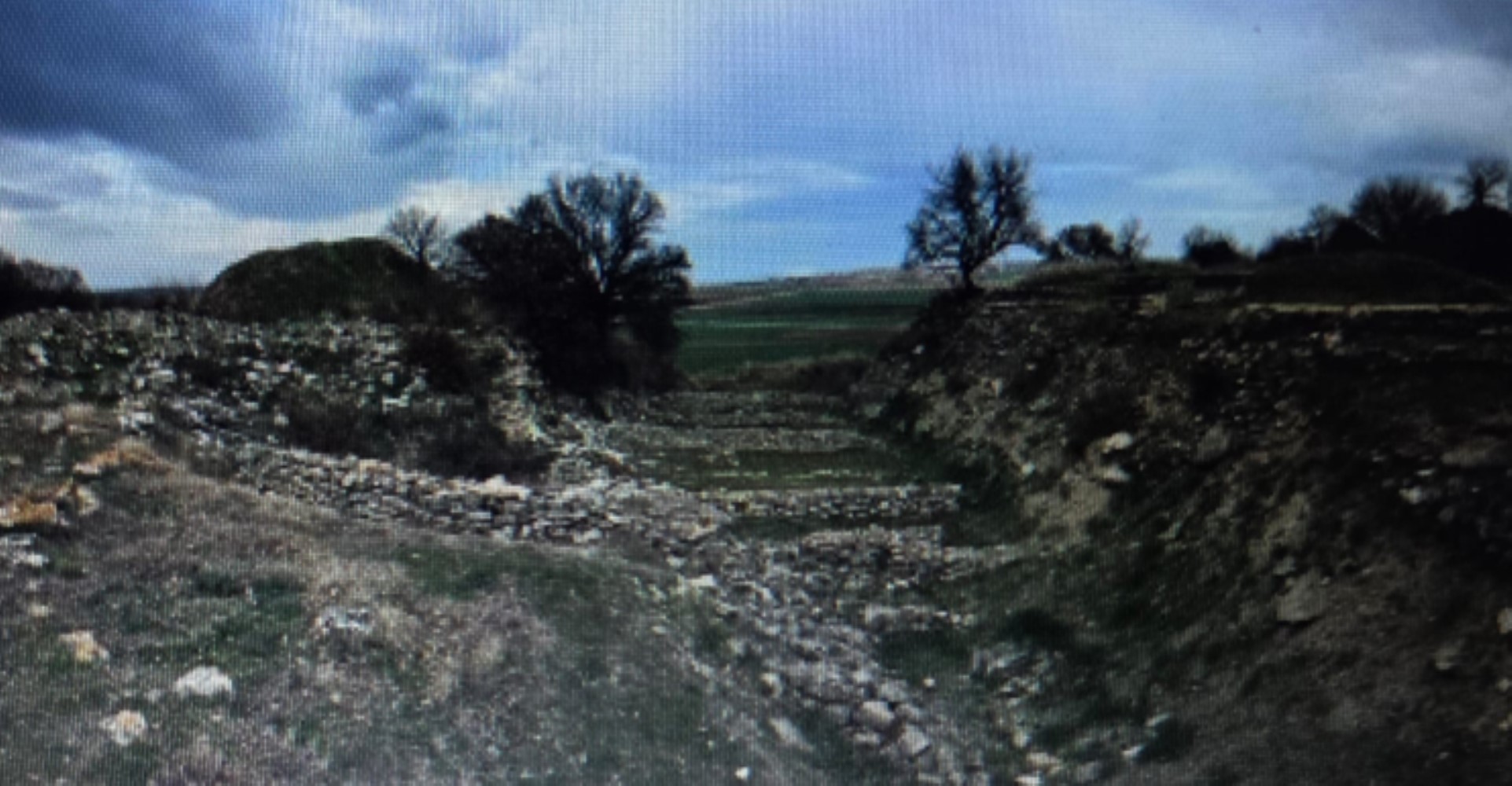
(Çanakkale-Hisarlık Hill-Troy ruins)
The German Schliemann had the money, while the Englishman Calvert had the knowledge he had accumulated for years and his observations on Hisarlık.
These two people, coming from two great states of Europe, were preparing for a new adventure on the historical heritage of Anatolia. What would eventually happen would turn into a great cultural plunder beyond an archaeological discovery.
Calvert convinced Schliemann that Homer's Troy should be sought in Hisarlık.
Schliemann was excited.
In a letter he wrote to his sister on August 22, 1868, he said that he wanted to excavate the entire Hisarlık Hill the following year and find the fortress of Troy there.
***
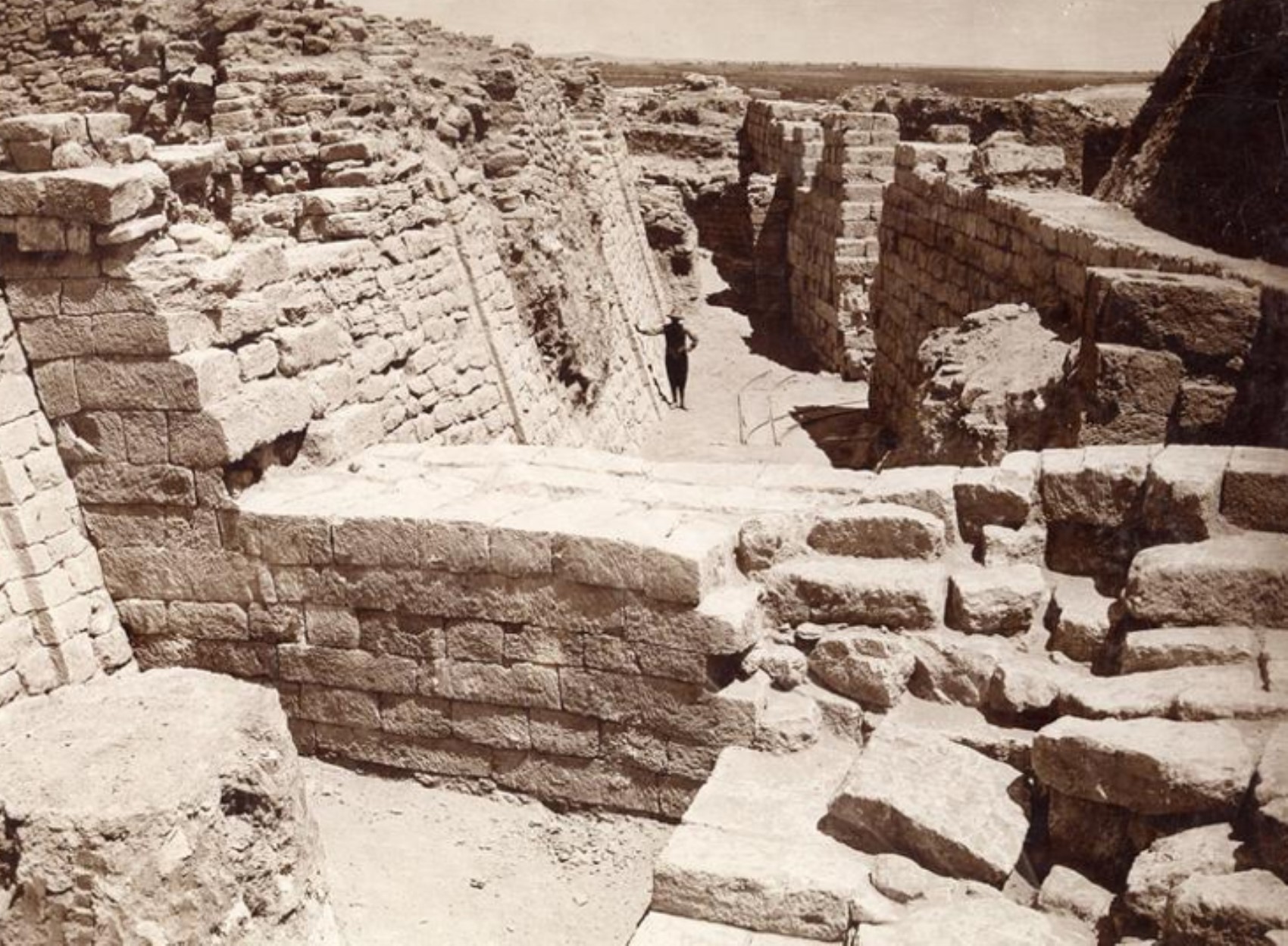
(The deep excavation area opened by Schliemann in his wild excavations at Hisarlık Hill. 1870s.)
However, there was a significant obstacle in front of him:
He did not have an excavation permit.
Despite this, he became impatient and started excavating in Hisarlık, near Çanakkale, on April 9, 1870. He continued his work until April 19.
The Ottoman administration was disturbed by this unauthorized excavation.
The necessary official permit was only granted on June 29, 1871. Schliemann began his permitted excavations on October 11 of the same year.
But there were important conditions to the permit granted.
Although Schliemann had certain rights regarding the sharing of the artifacts found, the 1869 Regulation on Antiquities (Âsâr-ı Atîka Nizamnâmesi) in force brought a clear provision:
The antiquities found could not be taken out of the country, to other states.
In other words, Schliemann did not have the right to take the artifacts he would find out of Ottoman territory. The decision was strict.
But Schliemann would act differently from the very days he started the excavations.
According to the information revealed by Prof. Dr. Ali Sönmez from Çanakkale Onsekiz Mart University based on Ottoman archival documents, Schliemann had already thought about taking the valuable artifacts he would find abroad, that is, smuggling them. (Ali Sönmez, “Heritage Smuggled from Anatolia: The Treasures of Troy,” Eurasian International Research Journal, Volume 8, Issue 21, March 2020, pp. 12–40.)
Moreover, he was not alone in this thought.
In the second season of the excavations, in 1872, the US chargé d'affaires had advised him to put any gold or silver he found into his pocket and remain silent.
In other words, he was advising him to hide the findings.
There was solidarity among foreigners in the robbery of Anatolia.
It turns out that some foreigners wandering around Anatolian lands in the guise of archaeologists and researchers could thus put the historical artifacts they found into their pockets.
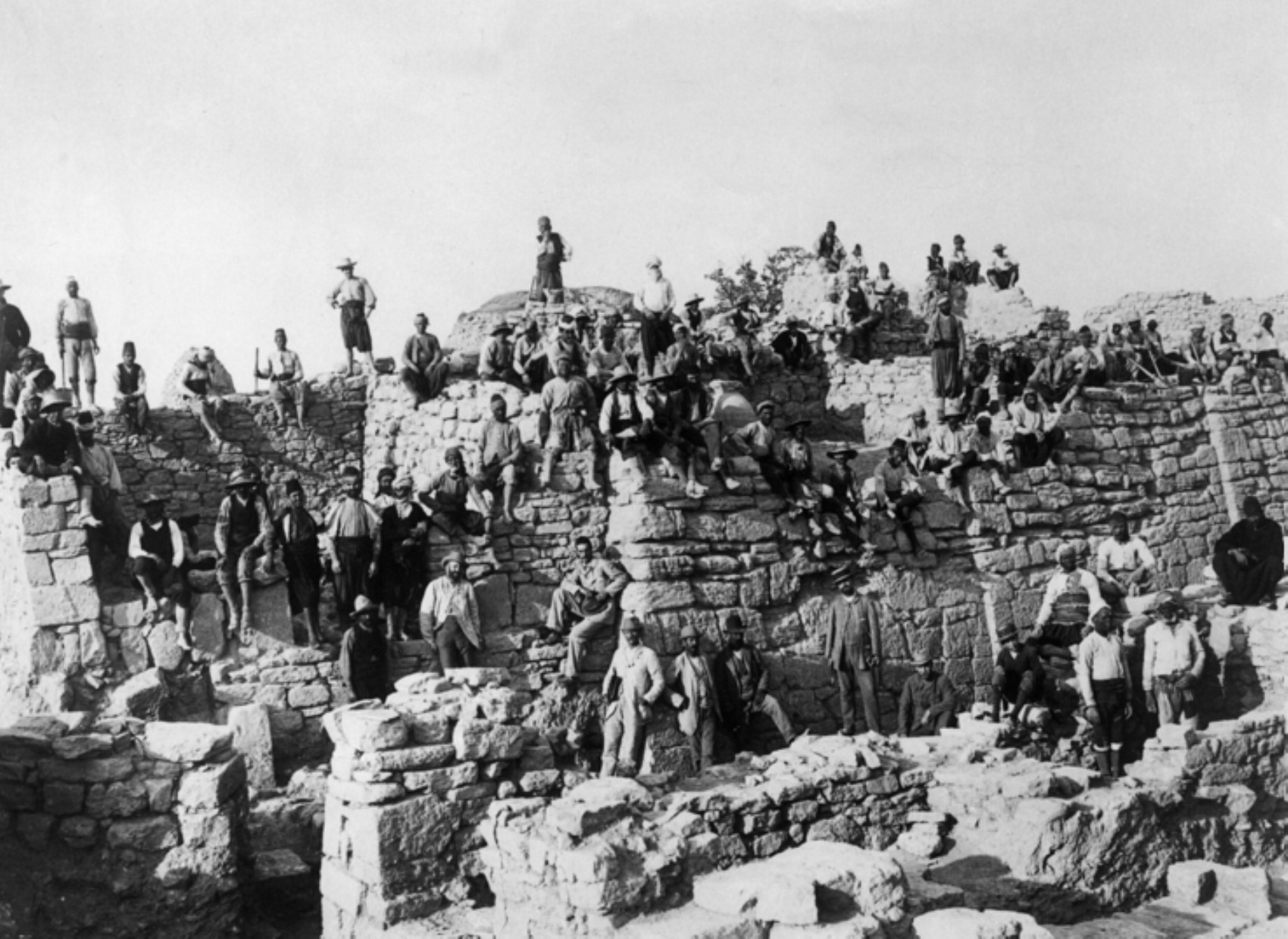
(A visual from Schliemann's Troy excavations in the late 19th century. At Hisarlık Hill.)
***
And in 1873, the great find that Schliemann was waiting for emerged.
It was a treasure consisting of gold, silver, and valuable items.
Schliemann named this "Priam's Treasure."
He believed he had found the treasure of King Priam of Troy, described in Homer's Iliad epic.
But he was wrong.
Today we know that the excavation layer of the site where the treasure was found, called "Troy II," was about a thousand years older than the presumed period of the Trojan War (probably from the 1200s BC).
Therefore, it was impossible for the treasure to belong to King Priam.
But what happened after this would be the subject of a much different debate than who the treasure belonged to.
Because Schliemann did not do what he was supposed to do; he did not hand over the artifacts he found to the Ottoman authorities.
Knowing that it was forbidden to take historical values out of the country, he took them to Athens. In other words, he smuggled them.
The Ottoman investigation documents shared by Prof. Dr. Ali Sönmez clearly reveal how this was carried out. (Ali Sönmez, “A Legal Struggle in Pursuit of the Trojan Treasures: The Ottoman State and the Schliemann Case,” OTAM, 29 (2011); BOA, MF.MKT. 18/147, July 24, 1874.)
Schliemann removed the treasure from Ottoman territory in three separate shipments.
A portion of the excavation findings was taken in early April 1873, and the treasure was taken at the end of May by the ship of a Greek captain named Andrea, who had come to the Dark Harbor (Karanlık Liman) near Çanakkale-Kumkale to load timber.
Smaller and more easily transportable gold jewelry was brought from the Kumkale Pier to the Çanakkale Customs in crates and in the pockets of Schliemann and those with him.
Moreover, the necessary inspection was not carried out there.
Thus, the treasure was removed from Ottoman territory and transported to Athens.
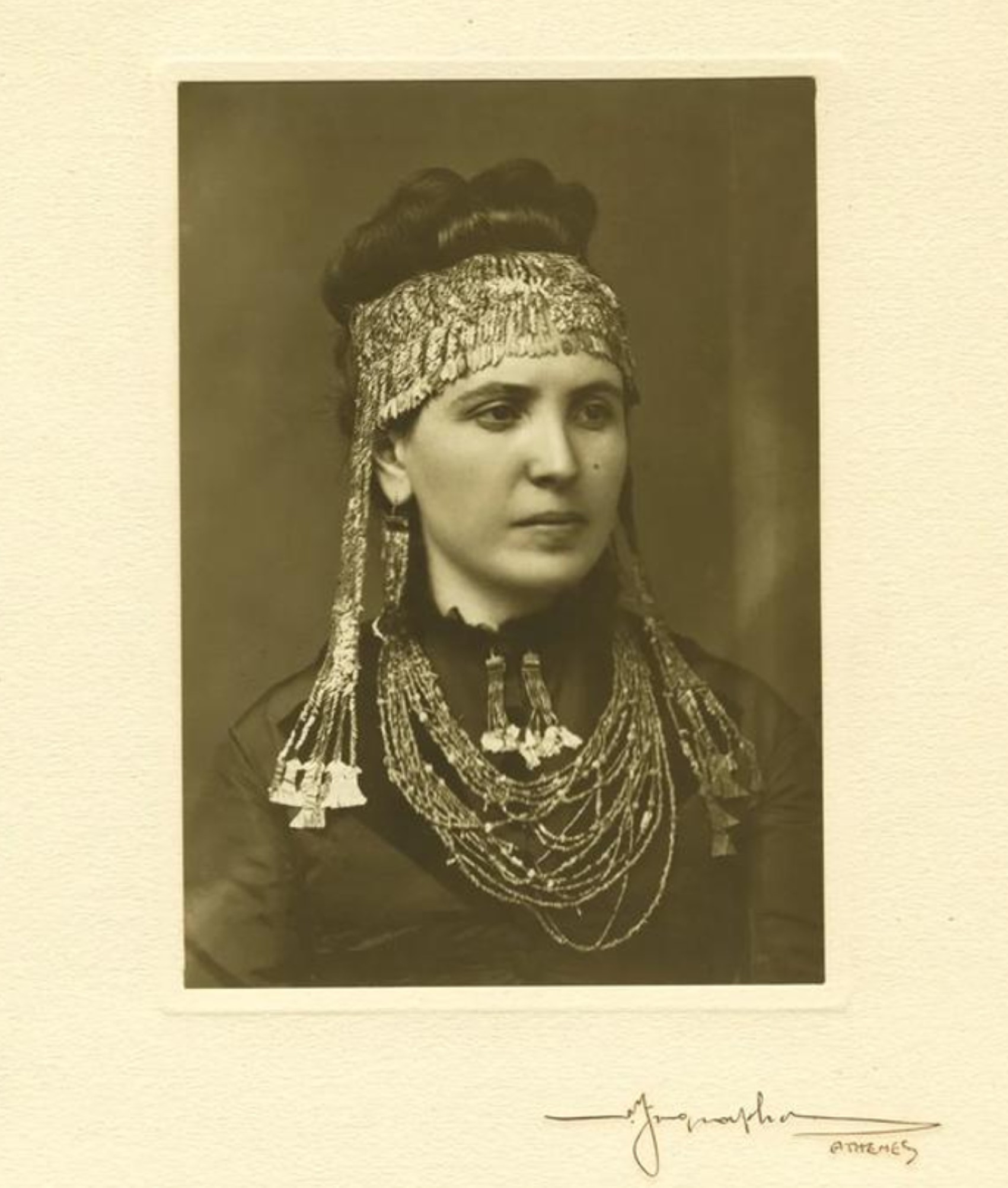
(Heinrich Schliemann's wife, Sophia, with the gold jewelry smuggled from Troy. 19th-century photograph.)
***
There was an even more striking aspect to the matter.
Schliemann knew that the Ottoman State would seek its rights arising from the agreement when the incident was revealed and would demand the portion of the treasure that fell to it.
The 1869 Regulation on Antiquities allowed private ownership of antiquities found in excavations. With the special excavation permit granted to Schliemann on June 29, 1871, it was decided that half of the artifacts he would find would be left to him and the other half to the Ottoman State.
However, the same regulation prohibited the removal of antiquities abroad. (Ali Sönmez, “A Legal Struggle in Pursuit of the Trojan Treasures: The Ottoman State and the Schliemann Case,” OTAM, 29 (2011), p. 219 et seq.; “The First Turkish Regulation on Antiquities with Documents,” Turkish Historical Society, Documents, Volume XXV, Issue 29 (2004).)
In other words, Schliemann had the right to own half of the treasure, but he did not have the right to take it out of Ottoman territory.
Knowing this, Schliemann had thought of a solution:
To have a fake of the treasure made.
In a letter he wrote on June 28, 1873, to P. Beaurain, who managed his financial affairs in Paris, he expressed his concern about the possibility of the Ottoman State demanding its share of the treasure and asked whether a fake of the treasure could be made by a reliable person for a reasonable price to be given in such a case.
However, while Schliemann was secretly taking the treasure to Athens on one hand, he also wanted the whole world to know about the great discovery he had made.
He wanted to be world-famous.
He was the one who had found Troy and Priam's treasure.
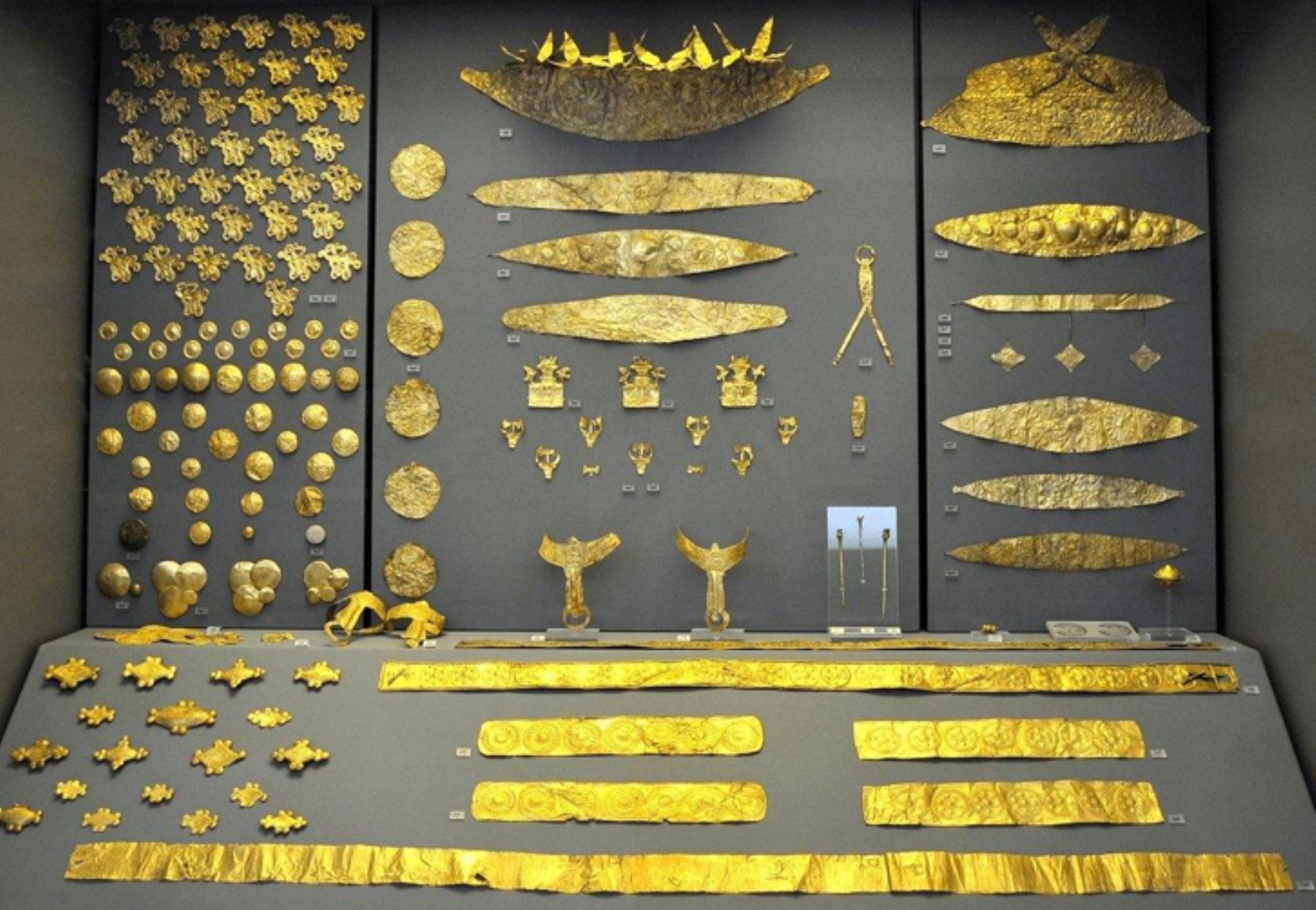
(259 artifacts from Schliemann's excavations, smuggled from Troy, are on display today at the Pushkin Museum in Moscow.)
***
In the end, he announced it himself.
On August 5, 1873, he published his report on the discovery of the Trojan treasures in the Augsburger Allgemeine Zeitung newspaper.
The news aroused great interest in Europe and the scientific world.
The Ottoman State thus learned for certain that the treasure found on its own lands had been secretly smuggled abroad.
Istanbul took action.
A name was assigned to retrieve the treasure.
A respected scientist responsible for the Ottoman museums. But he was also a German.
In the next article, we will tell you what that person did in Athens.
A stone is heavy in its place.
Sefa Taşkın
25.10.2026
Bergama/İzmir
Would you like to get notifications about new developments and save news?
- NotificationsNew developments and breaking news
- SaveNews is stored in the app
Most Read
Statement from Nihat Zeybekci on the fund investigation
New 75,000-seat stadium plan for Fenerbahçe
Fistfight at the Istanbul Bar Association elections!
Interpol and MIT tracking yields results in Izmir
ID convenience for KPSS candidates

2027 Budget: Taxes for the people, tax exemptions for capital

To whom and how was the Petition of Intellectuals submitted? Who accepted the petition?

The reality of Akkuyu and the longing for national nuclear power

Sinem Fıstıkoğlu, who left Halk TV, announces her new destination

The Çanakkale robbery -1- How was the Troy treasure smuggled out?