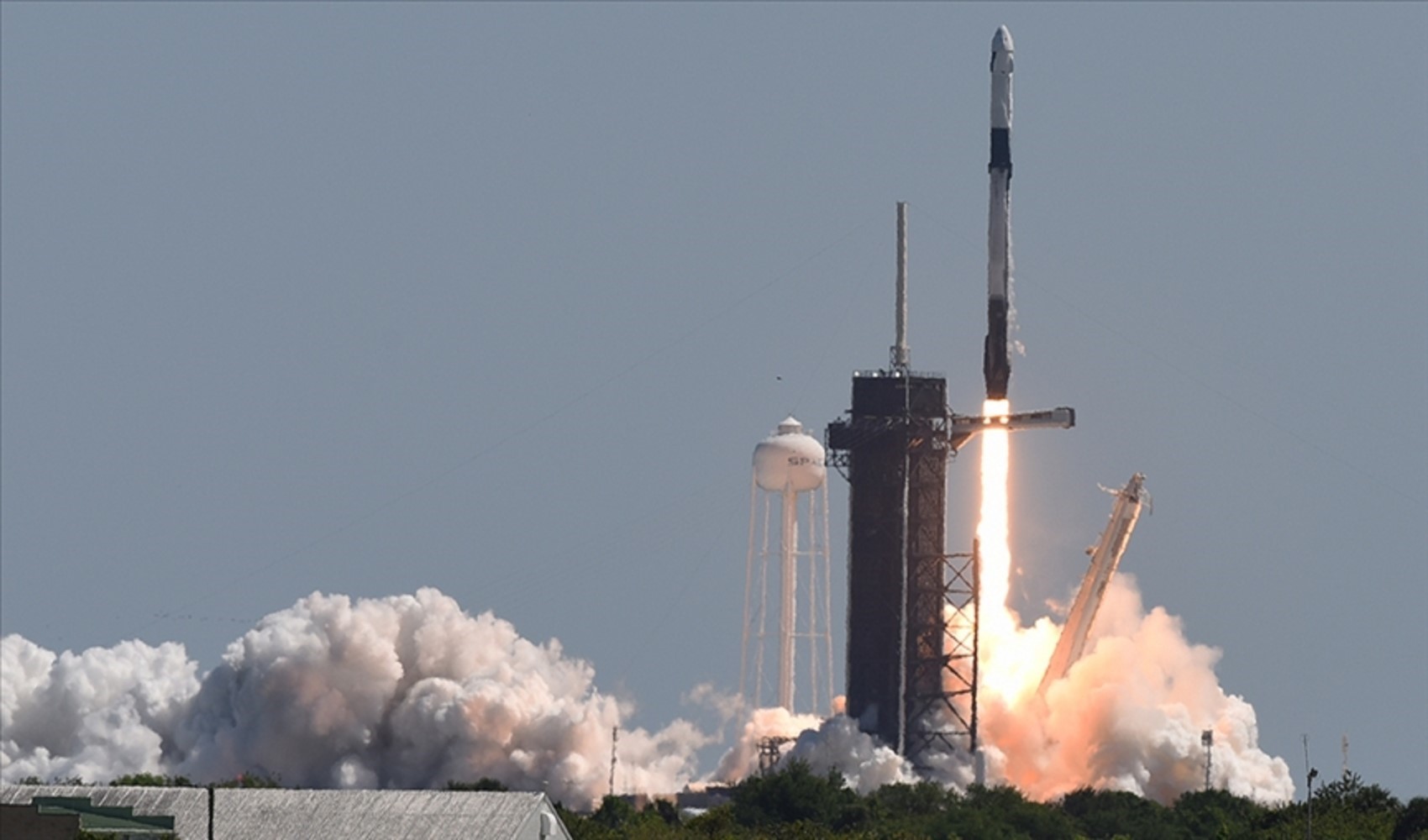
Anne McClain, Nichole Ayers, Takuya Onishi, and Kirill Peskov make up the crew, which is reported to be conducting scientific research on the ISS. It was announced that the astronauts will replace NASA astronauts Suni Williams and Butch Wilmore, who have been stranded at the station for approximately 9 months due to technical issues experienced with Boeing's Starliner spacecraft. During the launch, the Falcon-9 rocket's reusable first-stage booster successfully landed at the landing zone at Cape Canaveral Space Force Station approximately 8 minutes later.
The Crew-10 mission was scheduled to begin last Thursday but was postponed due to a technical glitch. SpaceX emphasized that it resolved the issue and successfully completed the launch.
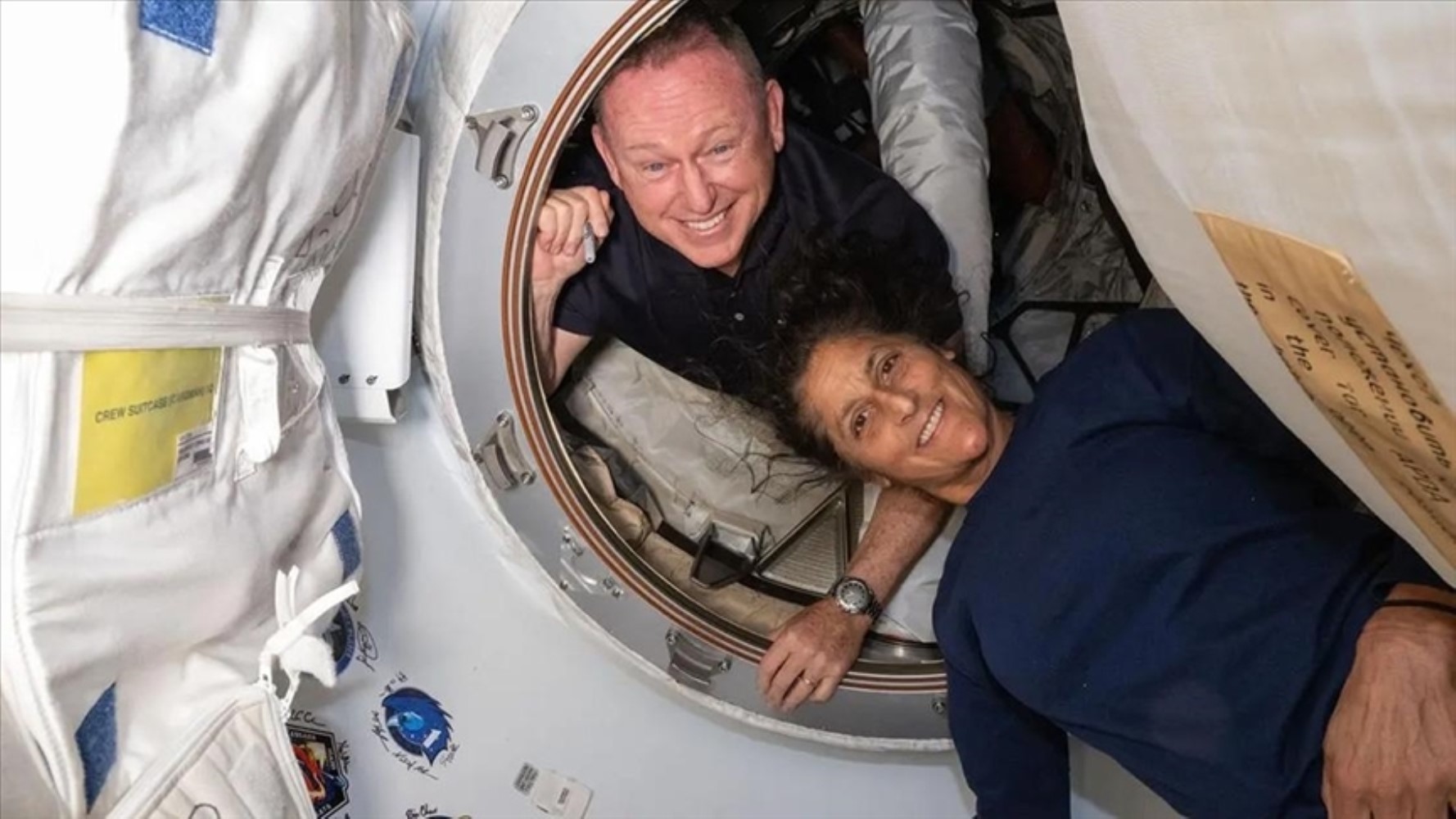
NASA astronauts Suni Williams and Butch Wilmore
SpaceX stated that the astronauts will conduct various experiments and research during their time in space. It was noted that these studies will significantly contribute to the development of space technologies and scientific progress on Earth.
NASA and SpaceX reached an agreement on the rescue of the stranded astronauts Wilmore and Williams. The SpaceX mission will enable the two astronauts to return to Earth after months.
News Source: 12punto