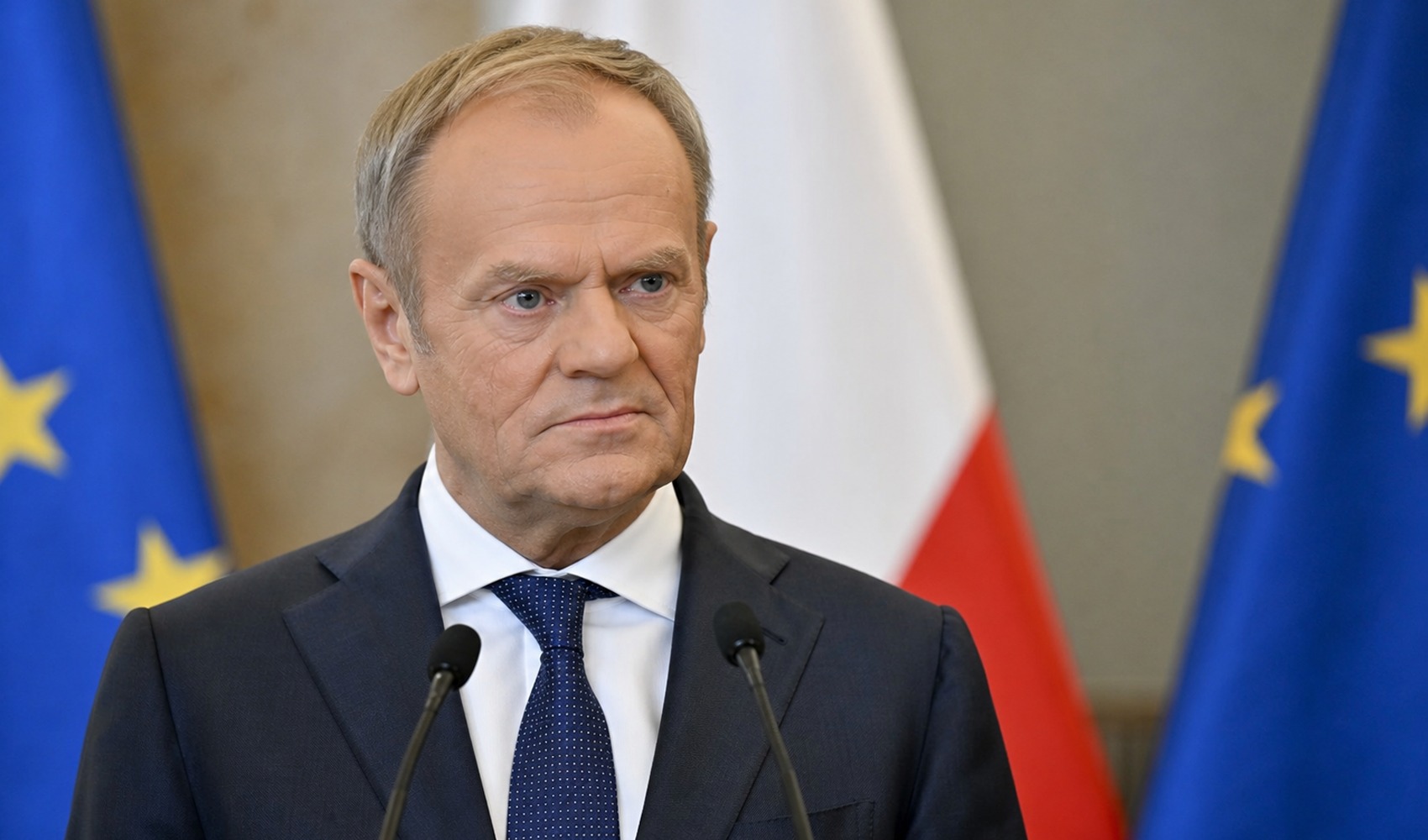
The process initiated in Poland following a report of an assassination threat against Prime Minister Donald Tusk and Deputy Prime Minister and Defense Minister Wladyslaw Kosiniak-Kamysz has brought about both a security investigation and political debate.
It was stated that the threat was sent via email and initially reached the mailbox of the State Protection Service (SOP). Official authorities decided to make a public statement following an assessment.
Jacek Dobrzynski, spokesperson for the Minister-Coordinator of Special Services within the Prime Ministry, drew attention to the seriousness of the threat against Tusk and Kosiniak-Kamysz in a statement on the morning of October 11. Responding to criticism regarding why the matter was announced, Dobrzynski said the threat was "deadly serious" and stated, "We are talking about a high probability that these threats could be carried out."
The male suspect accused of making the threat was apprehended shortly after by security forces. Prime Minister Tusk thanked the police officers for their "quick and decisive intervention" in a post on his social media account.
Interior Minister Marcin Kierwinski also announced that the suspect was identified through the analysis of digital data. Polish authorities did not share comprehensive information regarding the operational details of the investigation.
REACTION FROM THE OPPOSITION
The government's manner of announcement became a target for criticism from opposition parties. Politicians from the Law and Justice Party (PiS), the Confederation, and the Rozwój Plus circles accused the government of trying to create an atmosphere of panic and change the agenda through a security issue.
Confederation leader Slawomir Mentzen stated that death threats had also been sent to him via email, arguing that in such cases, the sender's trail often cannot be tracked. Despite this, Mentzen said he hoped the security units would be successful in Tusk's case.
Figures from the PiS camp such as Radoslaw Fogiel and Stanislaw Karczewski also criticized the government's stance. While Karczewski claimed that the government was following a "panic-spreading tactic," some opposition representatives linked the timing of the announcement to the political crises the government is facing.
PiS MP Andrzej Sliwka emphasized that attempts to attack politicians should not be underestimated; however, he described the public notification as a "cry of desperation and a sign of panic." Rozwój Plus MP Monika Pawlowska also accused the government of using the threat notifications to cover up political crises.
The debate in Poland continues to revolve around security risks to high-level state officials on one hand, and the government's crisis communication and the opposition's claims of political maneuvering on the other.
News Source: 12punto