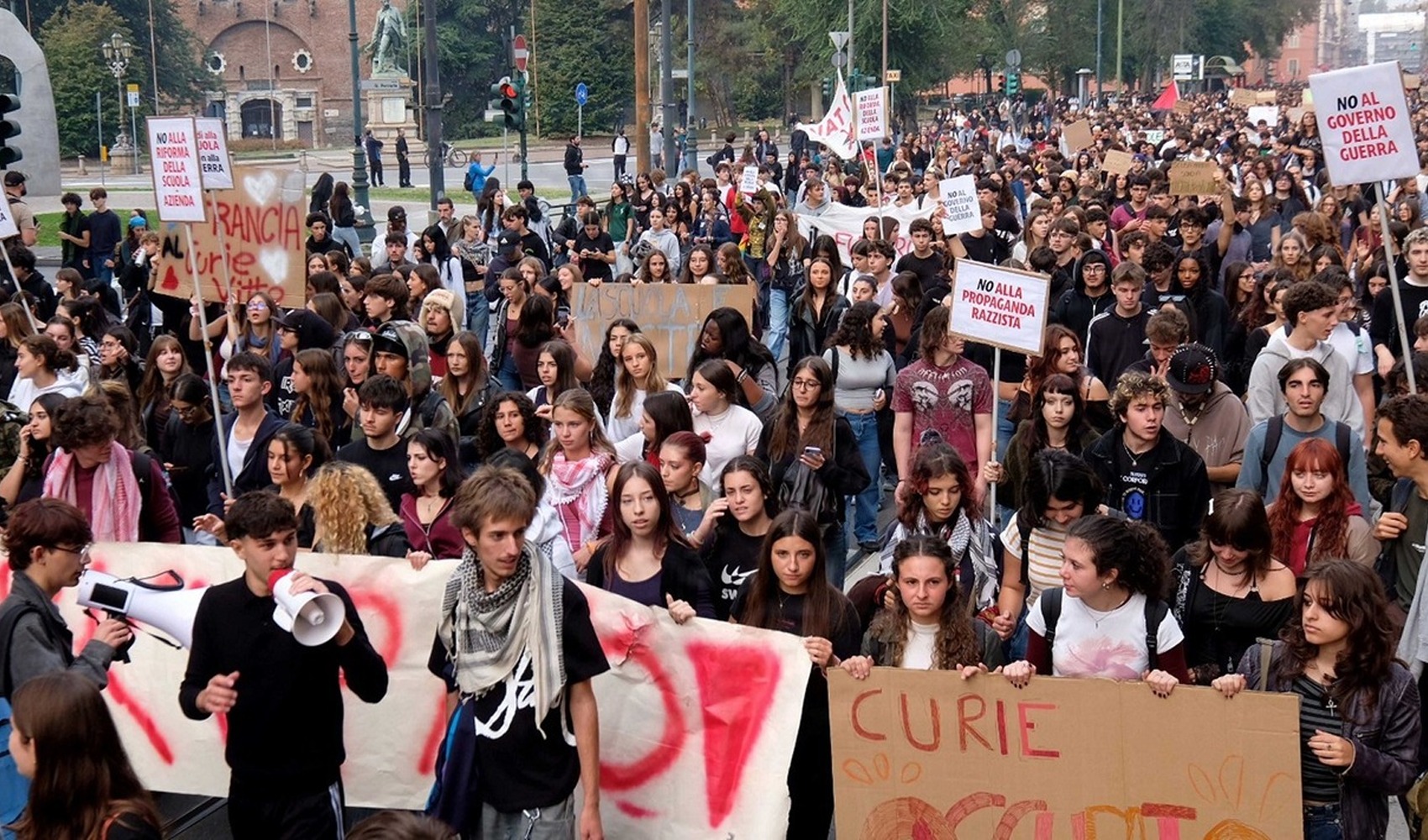
Protests led by young people in many European countries have quickly grown around various demands. Following actions initiated by high school students in France in September, young people have also taken to the streets in Spain, Portugal, Italy, Greece, and Albania.
The agenda of the demonstrations varies from country to country. In Spain and Portugal, young people have set up tents in capital cities to protest high rents, while in France and Italy, students have demanded improvements to conditions in schools. In Greece, there were calls for more resources to be allocated to universities. In Albania, students joined broader anti-corruption protests targeting the government.
The common thread of these actions is the growing anxiety young people feel about their future. Housing costs, low wages, job insecurity, the climate crisis, and the sustainability of public services such as education and healthcare are among the prominent issues driving the protests.
ANXIETY ABOUT THE FUTURE IS THE COMMON GROUND
The tents that have been set up for weeks in the protest area in the center of Madrid have become one of the symbols of the youth's reaction to economic conditions. Speaking to the New York Times, 27-year-old stage technician Sacha Cossi said, “The generation with no future is back.” Cossi stated that in addition to low salaries and high rents, the fear that the climate crisis and social rights could weaken is also driving young people to the streets.
Stella Salis, a university student who participated in the protests in the Italian city of Padua, also noted that a sense of “exclusion and fatigue” is growing among young people. Salis expressed her hope that the movement would reach a stage that transcends national borders.
The protests in Europe have not yet reached the scale of the mass anti-austerity demonstrations seen after the 2008 financial crisis. However, it is observed that an interaction has formed among youth groups in different countries through symbols, slogans, and forms of action. High school students in France mobilizing their peers in Belgium, and the use of French-originated slogans in Italy and Germany, are cited as examples of this interaction.
The background of the protests also includes broader structural problems in Europe. The continent's aging population, the pressure of pension and social spending on public budgets, rising debts, housing crises, and the increase in defense spending are forcing governments to face difficult decisions. This picture makes the expectations of young people regarding access to education, housing, transportation, and healthcare services even more fragile.
Political repercussions also vary from country to country. Following some incidents in Italy, the government announced that soldiers would be sent to Milan. In France, the far-right National Rally party has brought the incidents in cities onto its agenda with rhetoric focused on security and authority. These developments lead to the economic and social demands of young people being overshadowed by security debates from time to time.
Mourana Monteiro, a 29-year-old psychologist who protested housing costs in the Portuguese capital of Lisbon, summarized the basic expectation of young people by saying, “We want to work, but under humane conditions.” Monteiro explained that the reaction of young people who cannot afford a home despite working, struggle to pay their bills, and postpone starting a family is growing.
In Albania, students joined the “Flamingo” movement, which is also linked to demands against environmental issues and corruption. The young people, who want more resources to be allocated to education and healthcare services, are also voicing demands for a more transparent and democratic administration. 22-year-old actor Redjan Shkëmbi, who participated in the protests, said his generation has “chosen not to remain silent.”
The actions across Europe show that young people are objecting not only to current economic conditions but also to the future offered to them. It is becoming increasingly difficult for governments to produce convincing answers for young people amidst inflation, budget pressures, security spending, and demands for social services.
News Source: 12punto