



It seems an era is coming to an end at Apple. Tim Cook is stepping down as CEO, and John Ternus is taking his place. At first glance, this might be read as a change of direction for Apple. However, a closer look reveals that this is not a change of direction, but a position update. Cook is not leaving the stage; he is just changing his spot on it. He will remain at Apple as Chairman of the Board. The management is changing, but the direction remains the same.
The story of Apple has never been read solely through its executives. During the Steve Jobs and Steve Wozniak era, Apple was an engineering and product story. When Wozniak’s technical depth combined with Jobs’s intuitive vision, the result was not just a working product, but a product that redefined the world. In that era, Apple did not sell products through marketing; the product created the marketing itself.
Then the scene changed. Jobs returned, and Jony Ive was by his side. This time, the product was pushed by design. Apple’s language changed. Form took precedence over function. This was a conscious choice. Apple took a risk here and won.
The Cook era, however, wrote a different story. This story was not bad; in fact, it was financially tremendous. Apple became one of the most valuable companies in the world. The supply chain became flawless, and operations became smooth. But at the same time, Apple’s character changed. The company ceased to be a structure that pushed the product and turned into a structure that stabilized the product.
This change went unnoticed because money was being made.
Yet, Apple’s mission was never just about making money.
Apple’s mission was to make a difference.
The debate that arose after Cook’s statement regarding his personal life was a missed threshold in this regard. The issue is not sexual orientation. The issue is this: What topics should a technology company CEO be discussed with? That day, Apple’s future, vision, and product approach could have been discussed. Instead, the axis of the conversation shifted. The company’s intellectual center weakened. That was the point where a change should have been made. It wasn't.
That is why the change made today is a late change.
More importantly, it is a change made in the wrong direction.
Because Apple’s problem is not hardware.
Yes, John Ternus is a product person. He comes from within hardware. He played a part in the success of Apple Silicon. More balanced Macs, more logical product decisions… These are important. But Apple is not producing bad hardware anyway.
Apple’s problem is this: Why is it making these products?
When you look at Apple’s products today, the picture is clear. Variations of the same product, small improvements, minimum risk. What emerges is not bad. But Apple has never been an “it’s okay” company.
Apple is either very good or it changes the game. The middle ground is not Apple.
Apple’s biggest risk is not producing bad products. It is producing mediocre products. Because mediocre products make Apple ordinary without being noticed. This process works slowly, but it is difficult to reverse.
There is a deeper problem here. Apple is now afraid of failure. When a product fails, it is talked about for years. AirPower is not forgotten, and the discussions about Apple Vision Pro never end. This memory has made Apple cautious. And a cautious Apple is an Apple that does not take risks.
And an Apple that does not take risks is not Apple.
Now, a hardware person is being brought to the head of this structure. This may seem technically correct. But what Apple needs is not technical correctness. What Apple needs is direction.
For Apple to be great again, it needs to put courage, not hardware, at the center. It needs to regain its appetite for creating new categories. Design needs to push the product again. Software should not follow hardware, but evolve with it.
The change made today guarantees none of these.
That is why this change is a late change with the wrong direction.
Apple might become a better company with this change.
But this change will not make Apple, Apple again.
In Brief
* An invisible barrier to Vibe Coding? The rejection of Replit-based applications by Apple does not seem like a coincidence. Replit CEO Masa Dore says this is intentional; the opposing view is that Apple is protecting its Xcode dependency. Meanwhile, the fact that the CloudMD file was left inside Apple Support on the same days weakens the “strict control” claim.
* Design is no longer a tool job, but a model job Anthropic’s Claude Design tool does the work that Figma, Adobe, and Canva do in minutes. You provide the brand file, and the model completes the rest. This silently changes the question of who is doing the design.
* Single camera, 3D world Systems like LingBot-Map extract real-time 3D models from a single phone camera. Moreover, at a speed of 20 frames per second. It is not hardware, but software that makes the difference.
* Code is not written, it is managed With Claude Code’s parallel agent structure, multiple tasks run simultaneously. The developer moves to the side that manages the flow, not the one that writes the code.
* AI that uses the computer The fact that Codex can use a Mac like a human is not a small feature. We are talking about a system that sees the screen and moves the cursor. This is a transition from the “human using tools” model to the “system imitating humans” model.
Most Read

Galatasaray announces injury updates for Osimhen, Lemina, and Singo

Attention online sellers: Tax monitoring expanded
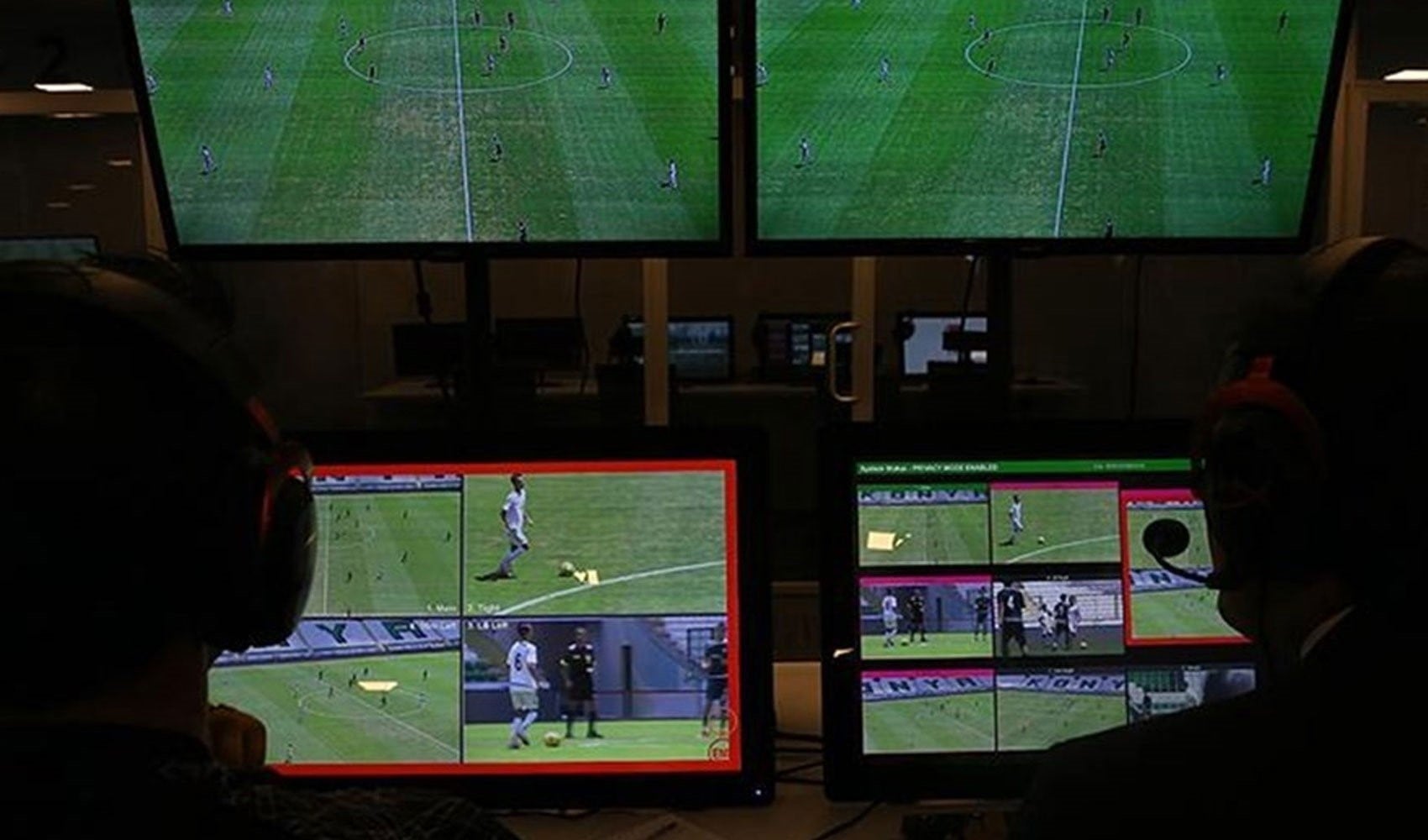
VAR for the Fenerbahçe-Beşiktaş derby has been announced!
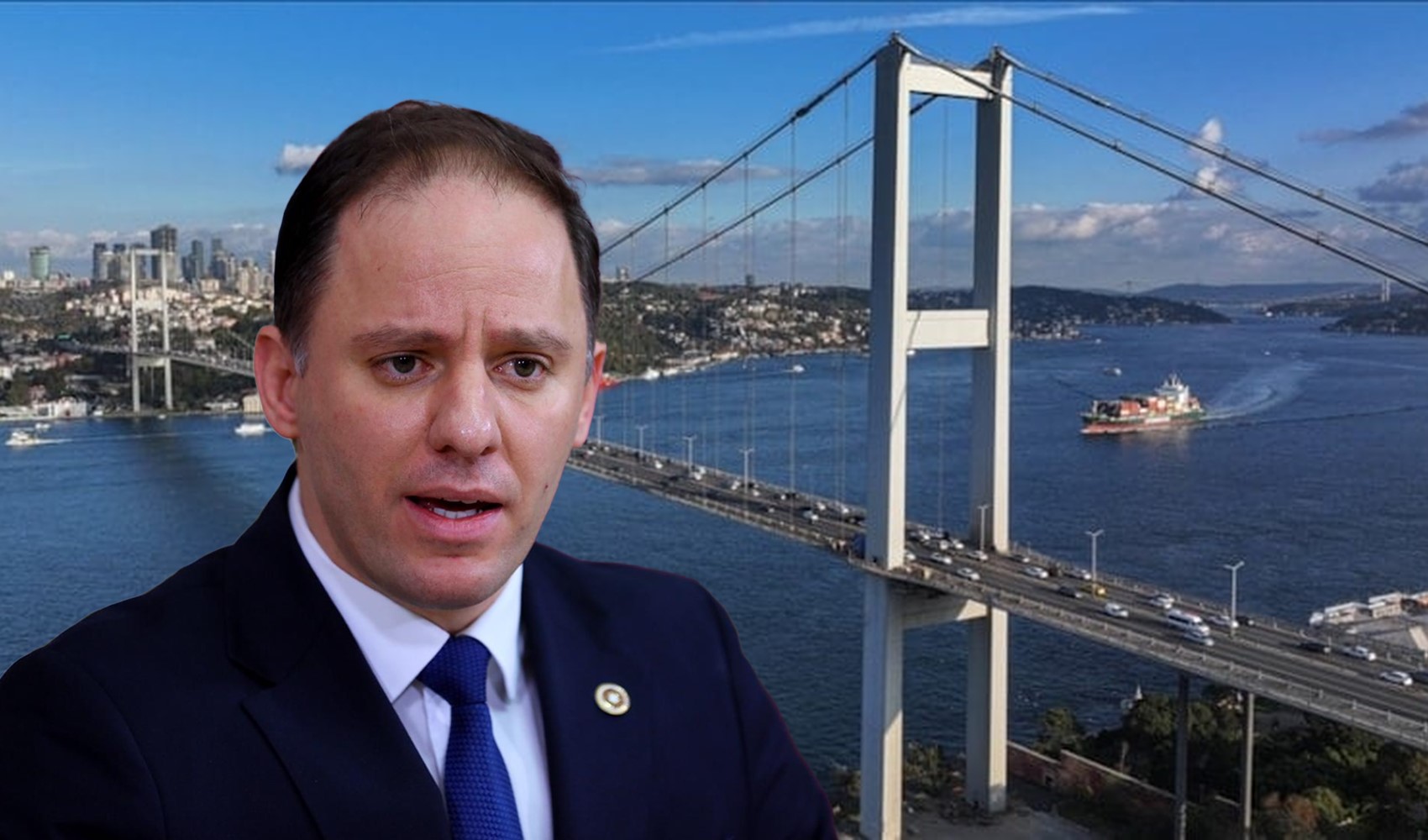
Bridges and highways are being privatized: 15 July and FSM are also on the list

Peugeot September 2026 price list is out

New details emerge in 'panel' operation targeting lawyers
Gökçek era detail in ABB investigation

First statement from Osimhen after injury in Başakşehir match

Özlem Şanver: 'He said he would change, I believed him; should I be beaten just because I didn't leave?'

Mourinho explains why he substituted Arda Güler