


Halil Konakçı and the religion of the state



When the calendar pages showed April 1928, the phrase "The religion of the State of Turkey is Islam" was removed from the Constitution by a law, and the state's distance from its citizens was made equal. It would be another nine years before secularism was enshrined in the Constitution, and with that principle of secularism, the framework of that distance would be drawn with thick lines. In other words, it would be stated that "the state is at an equal distance to all citizens, regardless of religious distinction." And indeed, that is how it happened, at least on paper. Because some developments that occurred cast a shadow over this. The current functioning of the Presidency of Religious Affairs (Diyanet) was, of course, one of the most concrete indicators of this. The aforementioned presidency, which dates back to its establishment in 1924, had come into existence as one of the necessary institutions of extraordinary conditions. However, in a "secular" country, the existence of such an institution was problematic in terms of its functioning. Unfortunately, in the process that followed, this institution was also used in some way by various political factions, effectively becoming the religious spokesperson for the government. Events from both the near and distant past still hold their place in our memory.
The brief history of Turkey, which we summarized above in the context of the relationship between religion and the state, is actually also the history of carrying the past into the present. Although some institutions and developments have led to results where religion is used as a tool for politics, the articles specifically contained in the Constitution that give the state the spirit of living together were of vital importance; undoubtedly, they must be kept under protection in this capacity as well. An opposite situation will give birth to chaos, conflict, and strife. Indeed, places where religion is made to speak for ideological reasons, where it is besieged, and sometimes where weapons and ammunition are placed in its hands, and where pulpits are used almost like rally grounds, have created a social fragmentation in the final analysis. Precisely for this reason, in order not to become a lesson, we must learn a lesson. So, are we learning a lesson?
I can give the answer to the question firsthand: let alone learning a lesson, grave mistakes are being made in our country that could almost become a subject of study for other societies. Halil Konakçı, who continues his work as a Diyanet official, is also one of the most popular names regarding this issue of lessons these days. Because Konakçı turns the pulpits entrusted to him in the name of religion into rally grounds, and with the demeanor of a politician or a commander, he pours his speeches onto society in a high-pitched and harsh tone. Yet, there is neither an army in front of him to set out on a campaign, nor is he a representative of a political party. However, despite this, even though he is a religious official of the state, he considers speaking with a divisive and destructive discourse a skill, and he openly states that he will continue these speeches. In his own words, he says, "domestic politics will be discussed in these mosques, and foreign politics will be discussed as well!" I will not go into the content of what he says; that is a separate article topic in itself, but let us think about what the result would be if everyone talked about everything in these mosques, in his own words?
With 2024 figures, the Diyanet has nearly 145 thousand personnel, and among them are thousands of imams, muezzins, and preachers. Naturally, each official may have different views on religion, politics, and historical and current developments. So much so that some may look at issues with a takfiri perspective, some from the window of a religious community (cemaat), and some may even look at them from the perspective of organizations belonging to armed military structures. Similarly, they may address religion in terms of historical, meaning-oriented, and different interpretations. They can also read today's developments through these perspectives they possess. Now imagine the state of those mosque pulpits: one day a jihadist at the microphone, one day a radical religious organization sympathizer, one day a member of a community, one day who knows which name. And after all this, imagine the state of that mosque congregation, the chaos that emerges, the fragmentation. Will you say it won't happen? It will, why wouldn't it? How will you forbid others from a situation that is a right for Halil Konakçı? If it is forbidden, what would be his privilege, his prerogative, his superiority? How can something that is forbidden to the entire Diyanet organization be made permissible for a single person? These questions will certainly be raised in the context of the agenda we are talking about. Doesn't Konakçı himself say, "everything will be discussed in these pulpits"?
The chaos we expressed above also reveals the chaos experienced regarding religion and the relationship the state has established with religion. The first of these is a chaos inherent in religion, and if we speak specifically about Konakçı, it is the imposition of Konakçı's interpretation as religion and the granting of this opportunity to him. Although he says he speaks in the name of religion, this is entirely his own interpretation, and many Muslims do not agree with this interpretation. While this is the case, what is the meaning of him not keeping his interpretation to himself and making people listen to it from microphones in harsh tones? On what grounds and with what right does the Diyanet allow this? This is clearly being a partner to a mistake, preparing the ground for a wrong. The second state of chaos will emerge as a continuation of the first point, with the process of the state being given a religious identity.
Namely, if these interpretations are not spoken out against, and if the Diyanet turns a blind eye to the blockade of the pulpits despite all these objections and criticisms, then that voice will also be the voice of the "state", and someone's so-called religious interpretation will be identified with the state. In other words, it will not be just Konakçı speaking, but the state. We know that the laws do not currently allow this situation, but this is the situation that is happening in practice. But wait, isn't Turkey a country that consists of different voices and is trying to continue its life with a pluralistic orientation? While this is the case, isn't it chaos to make so-called religion speak at the state level, destroying all pluralistic discourses and making destructive religious interpretations dominant? Of course, if current developments continue like this, that is where we will necessarily arrive. This is not a situation we are saying only in the person of Konakçı. It is a situation related to the protection of pulpits and microphones as a matter of principle. If this principle is not protected, chaos will emerge. The dusty pages of history standing right next to us are also full of indescribable examples of what pains were experienced after this principle was violated. The fights between the Ahl-i Hadith and the Ahl-i Ray constitute only a few pages of these cautionary examples of history. It is not for nothing that Saadi Shirazi says, "If a lesson is not learned, every mistake becomes the virus of the next mistake."
In this respect, the Halil Konakçı case is a subject that needs to be addressed under many headings with its historical and current examples that exceed the limits of his person. The issue here is not a name, but the analysis of the problems and consequences that a mentality can create. It is the evaluation of the relationship and distance of religion with politics, the agenda, and society, and taking the necessary precautions accordingly. In this respect, the problem we are talking about is a social problem, and its addressees are the entire society. Because everything, with its pulpits, mosques, and squares, its followers and friends, is all of us.
Would you like to get notifications about new developments and save news?
- NotificationsNew developments and breaking news
- SaveNews is stored in the app
Most Read

Storm and heavy rain alert in Istanbul!
Those who touch it get burned... A 'Fund' shackle for a female shopkeeper too!..
Courthouse employee found dead in his home
The institution that dismissed Ebru Eroğlu’s father has been identified
Green passport proposal for private school teachers
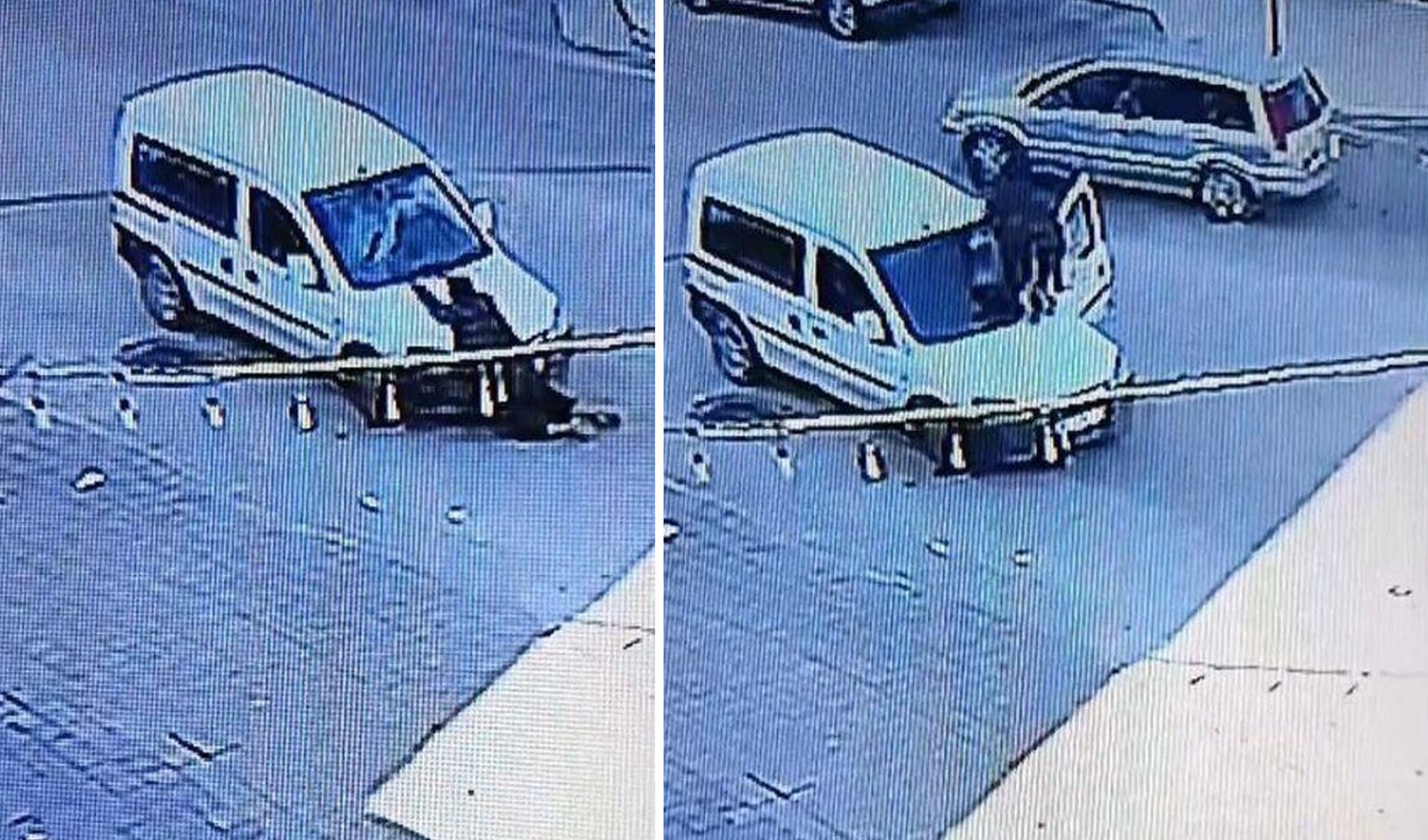
He lay on the ground to stop the vehicle, then jumped into the driver's seat and fled when the driver got out
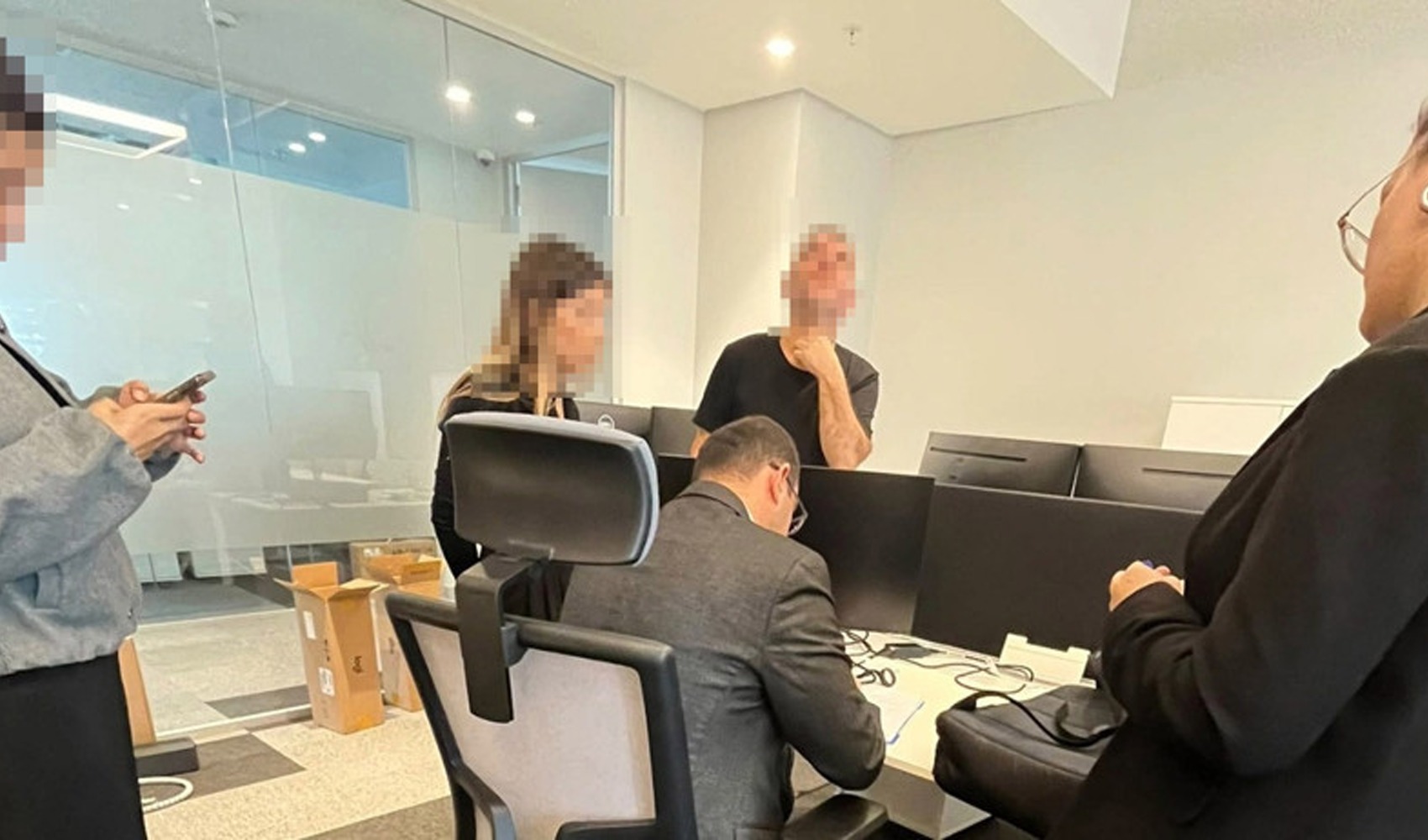
Seizure proceedings initiated at Tera Yatırım and Tera Portföy
Toppled by two articles
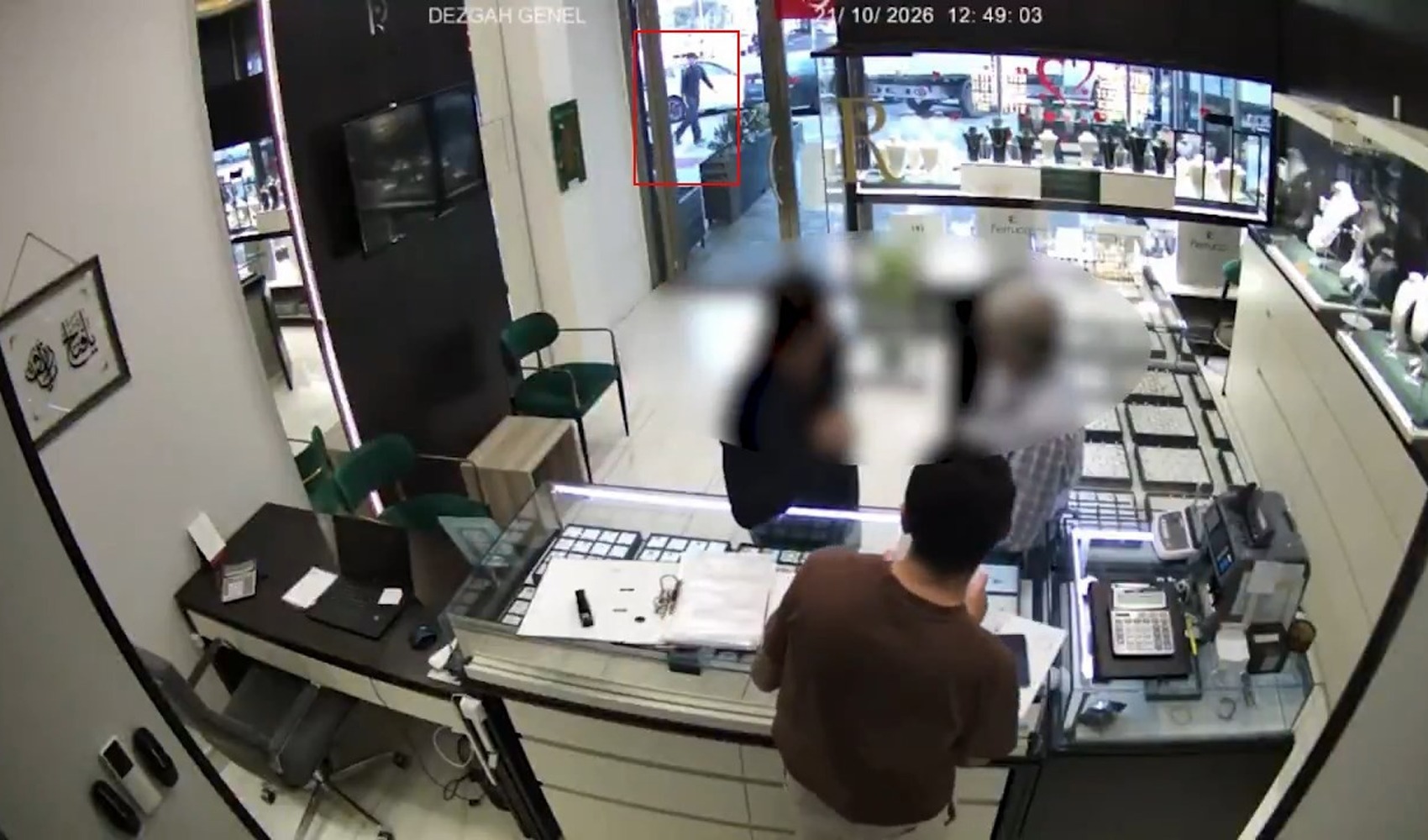
New footage emerges in jewelry store attack
A world spinning with cries for help