



The Eastern Question, or as we commonly refer to it, the 'Doğu Sorunu', is used in political history to describe the efforts of Europe's great powers in the 19th century to dictate the fate of the Ottoman Empire and partition its territories. The great powers of the era—also known as the 'düvel-i muazzama' (düvel being the plural of state)—including primarily Great Britain, France, Russia, and Austria, were deeply concerned with the Ottoman Middle East, the Ottoman Balkans, the Black Sea, the Turkish Straits, and Istanbul. After 1871, Germany, which established its empire that year, and Italy, which had nearly completed its unification process, would also join these states.
The situation for the Sublime Porte (Devlet-i Aliye) was difficult. The 19th century is, as our late professor Prof. Dr. İlber Ortaylı titled his book, the longest century of the empire. It seemed endless. Europe was not only widening the gap between itself and Asia on a political level, but also on economic, military, commercial, industrial, cultural, intellectual, and artistic grounds, while simultaneously revealing its imperialist face in parallel with its capitalization. The process would eventually move to another stage in the 20th century, first with World War I and then with World War II; many distinguished historians view these two wars as a single conflict, characterizing the period between 1918 and 1939 as a long intermission.
There was not much the Ottoman Empire could do, as the objective conditions were against it. Although steps such as the Edict of Gülhane (Tanzimat Fermanı, 1839), the Reform Edict (Islahat Fermanı, 1856), the First Constitutional Era (1876), and the Second Constitutional Era (1908, Young Turk Revolution) were taken, none of these could save the empire from falling into a semi-colonial status and subsequently being partitioned.
We know that those who governed the Ottoman Empire managed to extend the state's lifespan for a while by exploiting the contradictions between the great powers at the diplomatic table, and by using diplomacy to have the Ottoman Empire accepted as a member of the family of European states. However, these successes were not enough to save the state.
THE BALANCE OF POWER IN EUROPE AND THE OTTOMANS
At the time the Ottoman Empire received its first foreign loan in 1854, the European states, through the Congress of Paris (1856) which ended the Crimean War (1853–1856), recognized the independence, integrity, and sovereignty of the Ottoman Empire and promised not to interfere in the relations between the Ottoman Sultan and his Christian subjects, nor in the country's internal affairs. Thus, the Ottoman Empire was accepted as a European state and recorded as part of the European concert.
However, it must not be forgotten that what was done to the Ottomans was essentially placing the state in an oxygen tent and connecting it to a life-support unit. This only extended its life for a while, nothing more. The treatment applied to the 'sick man,' as Tsar Nicholas I of Russia famously called the Ottoman Empire, was not a cure that would get the state back on its feet.
Moreover, despite the signatures they provided and the promises they made, the European states continued to demand that the Ottoman Empire take necessary steps within the country, constantly sending messages to this effect. In reality, what they were doing was recognizing the Ottoman Empire as a European state while keeping it under control and tutelage. The competition among Europe's great powers required this. Even if they could not ensure the Ottomans were on their side, they were preventing them from being on the side of another great power. They did not want a strong Ottoman Empire; they wanted a weak one. Neither a revived Ottoman Empire nor a completely collapsed one served their interests. What they wanted was an Ottoman Empire that was crawling on its knees and had fallen into a semi-colonial state.
Following the 1877–1878 Ottoman-Russian War, also known as the '93 War', and after the Decree of Muharrem in 1881, the European states abandoned the policy of protecting the integrity of the Ottomans. The first to abandon it were the British in 1878. They immediately began to support the Armenians, along with the French and the Russians. Citing the 1878 Treaty of Berlin, they stated that the Ottoman Empire was obliged to carry out reforms in the regions where Armenian subjects lived and to report these actions to them.
We know what happened next.
The Sublime Porte, having fallen into a semi-colonial state, saw occupation after the Great War and then withdrew from the stage of history. The period in which it was erased from history and the manner of its erasure are tragic. Efforts to re-establish, revive, or resurrect it are mere delusion.
Most Read
Taylan Özgüven’s drug test results have been released
Melih Gökçek's first comment on the judicial control decision regarding his son and daughter-in-law
DEM Party's MYK has been set
The Sultans of the Net's championship prize has been announced
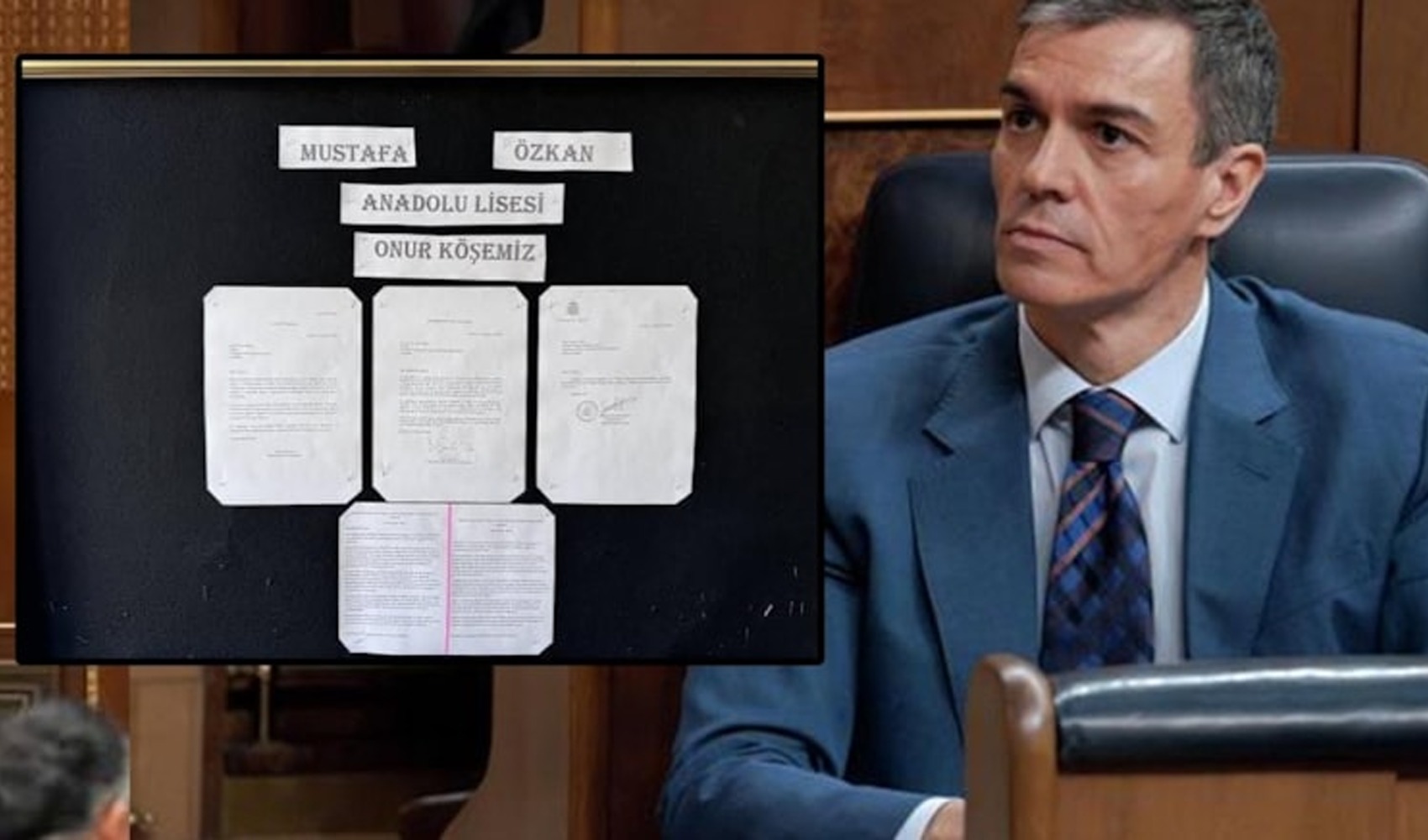
A thank you from Sanchez to the high school in Kayseri

They are mocking our intelligence!
An earthquake? Germany has a brand new DEM

Europe's great powers, the Ottoman Empire, and the Eastern Question

September heat continues: Downpour warning for the Black Sea
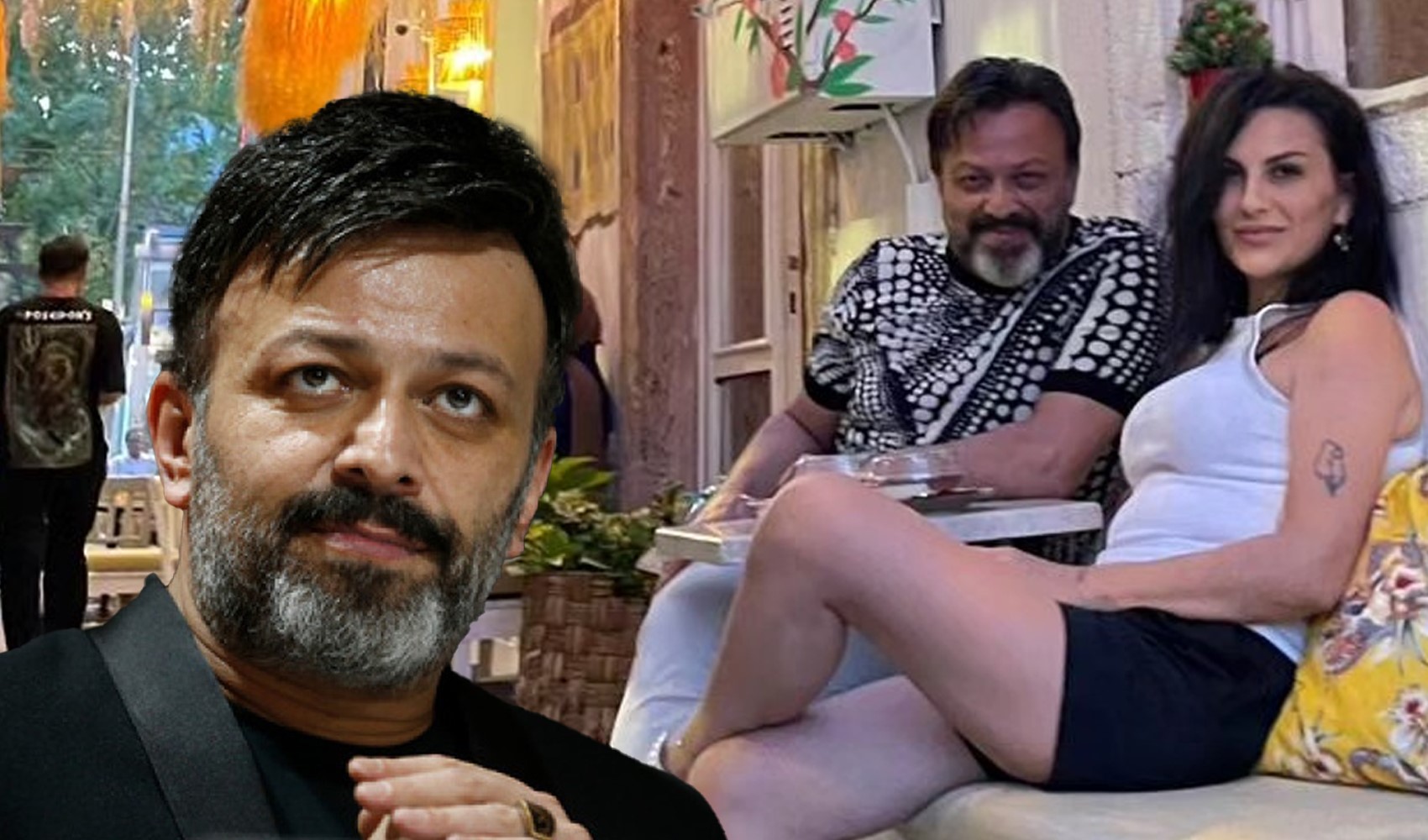
Contradiction in girlfriend's testimony in Serhat Kılıç investigation