


The Founding and Liberation Principle of Our State 'The Six Arrows': Nationalism (Nationalism)



Turkish nationalism began to emerge with its greatest principles long before nationalist movements were born in Europe, particularly during the Balkan Wars. When Turkish lands were invaded after the First World War, Turkish nationalism created the spirit of the great defense. Victory and revolution are based on this foundation.
The goal of Turkish nationalism is to ensure national unity by eliminating individualism and classism in Turkey. While it respects personal property and freedom to the extent that it does not harm the state's interests while eliminating individualism, it also does not accept a classlessness that would lead to the domination of one over the other while eliminating the sharp contradictions that were not already acute in Turkey. Turkish nationalism aims to prioritize the interests of the nation by transcending all individuals and classes.
Since the essence of the Turkish revolution is our national structure, nationalism must be considered the cornerstone among the qualities represented by the Six Arrows.
Atatürk's nationalism begins with boundless trust, boundless self-respect, and trust in one's nation. Nationalism is a matter of emotion and arises from within; it comes from within; science and method have no effect on it. It is the source of self-sacrifice, renunciation, and devotion. The essence of character is entirely national. It is a matter of emotion, heart, and soul. There is no measure of method, knowledge, work, or thought here. It is a spiritual force that ignites hearts and gives one's life for the sake of state interests without a second thought. This is cultural, spiritual, and loyalty to an ideal. Its root is also tied to the life-giving power of material history. Nationalism is a matter of ideals for which the citizen gives their life, as it makes leaps in matters that benefit the nation as much as it is national.
One of the most important aspects of Atatürk is his (non-discriminatory) Turkish nationalism. In his time, this principle brought innovation. The Turkish revolution is based on this principle with all its works. They knew in his time that the slightest deviation from this is a return to backwardness and death.
Nationalism should not be seen only as an ideology or a type of social movement. Nationalism is a type of culture and identity. The emergence of nation-states and nationalism coincide. In this sense, it can be said that nationalism is the ideology of the nation-state.
One of the principles that determine the qualities of the Republic of Turkey, which constitutes the final link of the eternal Turkish state, and which we call the Atatürk principles, is perhaps the most important one: nationalism. The field of Atatürk's nationalism is the Republic of Turkey, whose borders were determined by the National Pact (Misak-ı Milli). Atatürk wanted the Turkish nation to first know itself, and then to evaluate its own identity by knowing other nations of the world. He stated that nations that do not know their national identity will become prey to other nations.
Atatürk, who saved the Turkish nation from enemy captivity and set an example for other nations living under captivity in the world, also took important steps in the economic and social fields. His priority was first to save the Turkish nation from captivity, and then to build a national economy. Therefore, Atatürk's nationalism, and thus CHP nationalism, relies on economic nationalism on one side and welfare nationalism on the other. That is why, after building national independence, he distributed our country's underground and surface resources to its nation.
Welfare nationalism is the distribution of all social, economic, and cultural values produced by society to the people within a certain period of time. The understanding of welfare nationalism expresses that national interests should be prioritized and that one should not shy away from sacrifice for this.
Economic nationalism is the understanding of promoting economic development by prioritizing a nation's economic independence, its ability to control its own economic resources, and our national interests. This view aims not only for economic development but also to increase a nation's social, cultural, and political power. The importance of economic nationalism manifests itself in many areas such as national sovereignty, getting rid of foreign dependency, increasing domestic and national production, and social welfare.
Nationalism is to walk side by side and in harmony with other nations on a path similar to ours without giving up anything from our national character and identity. A nation that resists together and in war makes the conceited and aggressive enemy regret its pride and aggression. The Turkish nation is filled with such high patriotism and a high sense of honor that it will not leave those who work for it, its future, and its liberation in the face of difficulty. That is why we will never be friends with those who are enemies of our national existence.
Our source of inspiration and strength is the nation itself. No force can resist the national spirit created by centuries and a strong and permanent national will.
Atatürk accepted being independent as the fundamental principle of a nation and emphasized the consciousness of being a nation to organize the people. He directed the war by following a national policy in every step he took and would take at every stage of the war. The name of the struggle is national, and the borders were determined by the national oath. The established Parliament is national, and the name given to the press that will carry out propaganda is national. The history, language, economy, and every situation to be experienced in the social and cultural field of the Turkish nation have been implemented with national consciousness, and although the form of conjunctural interpretation has changed historically, it will not be different from now on. What is important is the realization of the temporal interpretation of "nationality" and keeping it alive.
Prof. Dr. Duran BÜLBÜL
Would you like to get notifications about new developments and save news?
- NotificationsNew developments and breaking news
- SaveNews is stored in the app
Most Read
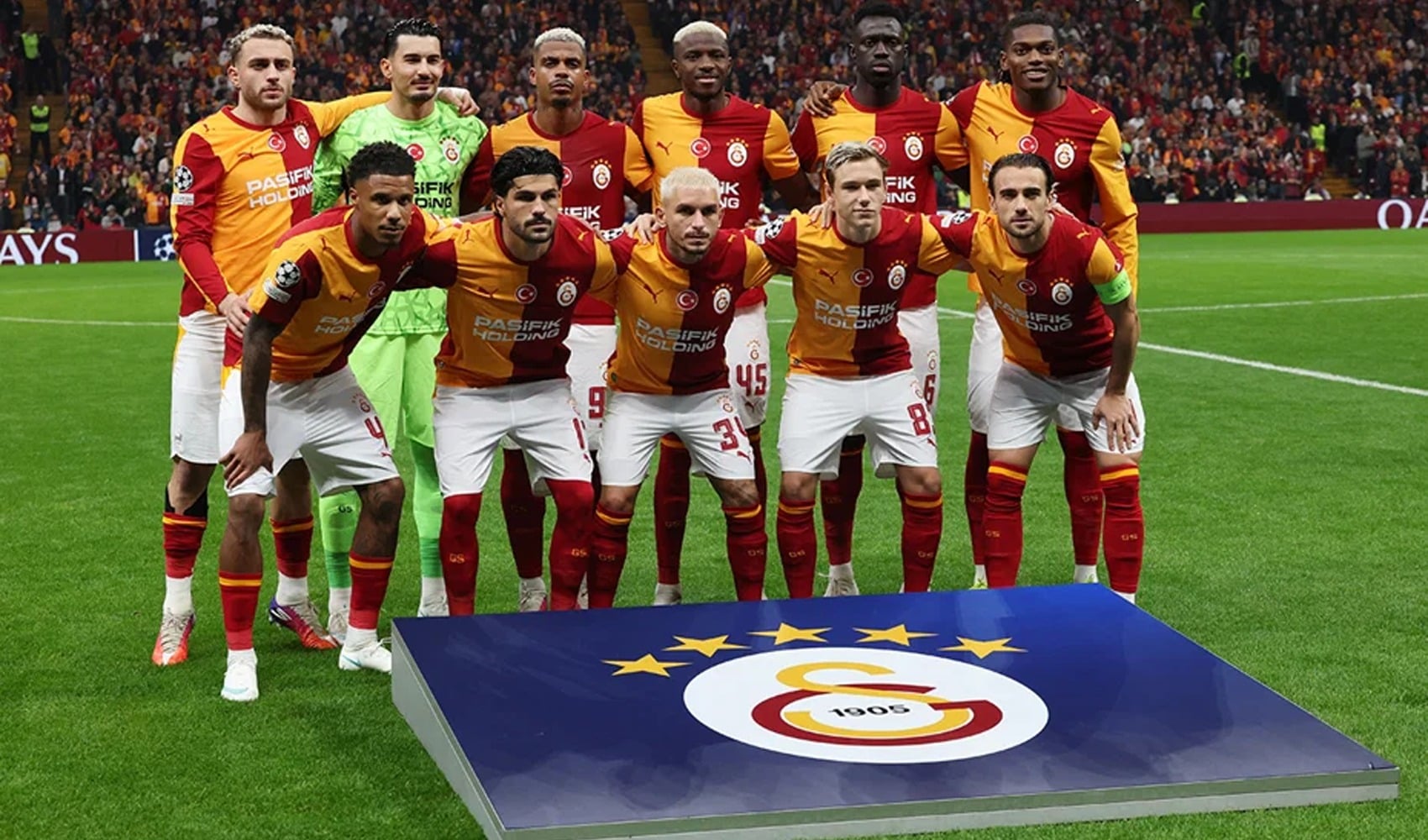
Champions League night results are in: The second week has begun
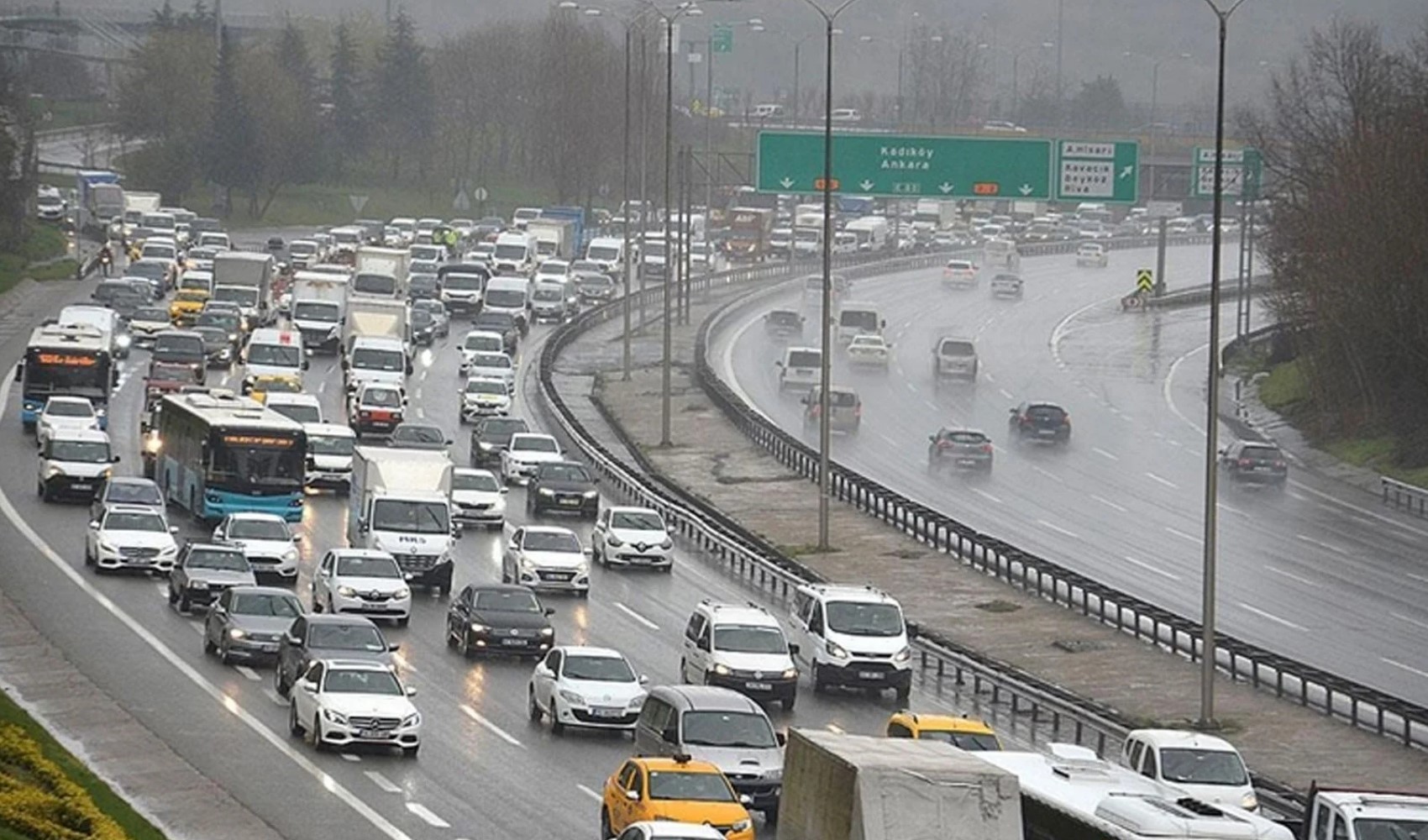
Downpour in Istanbul brings rush hour traffic to a standstill

Fenerbahçe's squad for Aston Villa match announced
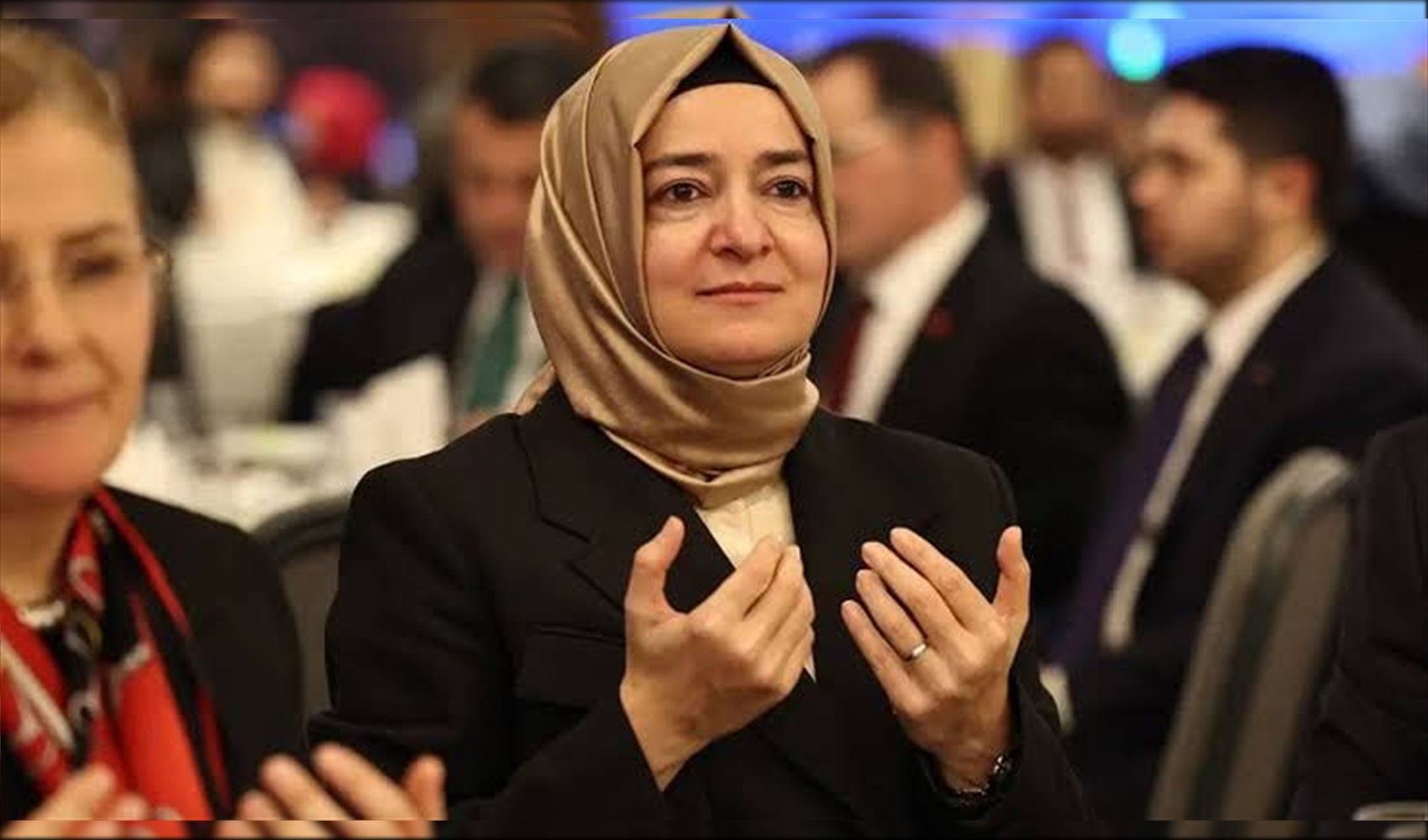
The assets of Fatma Betül Sayan Kaya have also been frozen
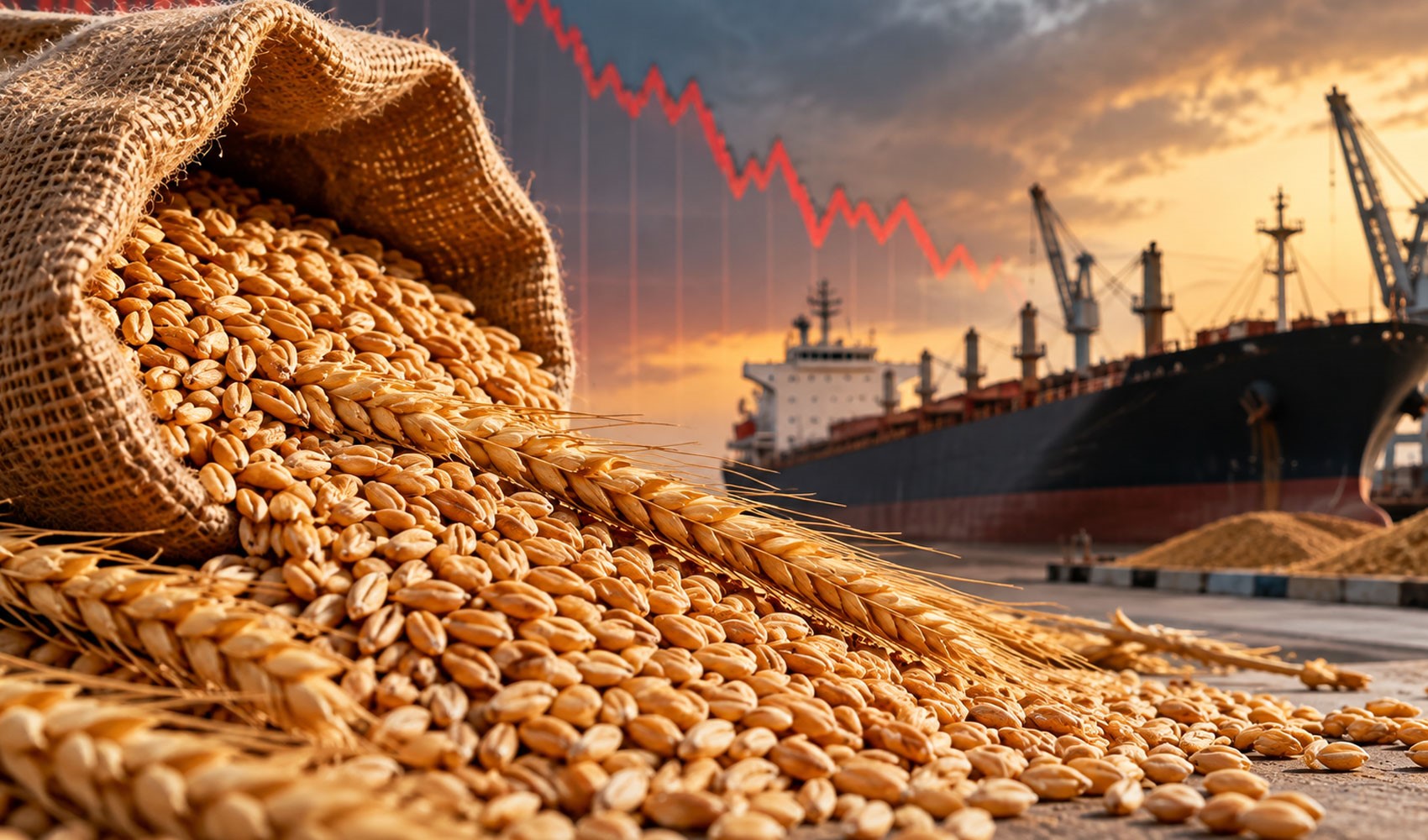
Turkey's wheat giant has gone bankrupt

Fenerbahçe wins comfortably against Zalgiris

The colonial governor's Golden Horn landing with 'Caliph' and 'Sultan' references!..

Betrayal

Yandex outage hits taxi and payment services
Houthis target city housing Aramco headquarters