


The changing role of the state in the economy within the framework of sustainable development goals and the concept of the social state - 1



The global economy, particularly throughout the 1980s and early 1990s, was shaped by policies that envisioned a development approach based on market forces through the downsizing of the state; these policies were supported by the IMF, the World Bank, and the US Treasury, and were termed the Washington Consensus by economist John Williamson.
The "laissez-faire, laissez-passer" approach, which has dominated from 1980 to the present, has been characterized by "less state, more market," privatization, deregulation, and marketization initiatives. This neo-liberal project, which fundamentally advocates for the state to withdraw from the market, promotes a "minimal state" and "state-market opposition," and argues that "markets reach equilibrium on their own and achieve optimal balance without being bound by any rules," has now reached a dead end as it fails to address market failures.
Today, discussions are increasingly focused on who should manage the economy.
Is it the markets, which liberals call the "invisible hand"? Is it the state, known as the "visible hand," which seeks solutions to market failures and is called upon to act in every crisis? Or is it the optimal path, which has been discussed more frequently in recent times, of establishing the right balance between the state and the market?
Although governments have different priorities from time to time, aiming to increase the welfare level and quality of life of their citizens remains at the forefront of these priorities.
A higher level of welfare and development is being sought to be created, made more inclusive, and made more sustainable through better education, health, justice, environment, and other socio-economic conditions, alongside higher income.
Discussions regarding what the role of the state should be in fulfilling these priorities—where markets fail to find solutions—within the framework of the social state concept and in achieving sustainable development goals are continuing to grow.
To be continued...
Would you like to get notifications about new developments and save news?
- NotificationsNew developments and breaking news
- SaveNews is stored in the app
Most Read

National Anthem surprise from Japanese Ambassador

Diesel protest in Italy brings roads to a standstill
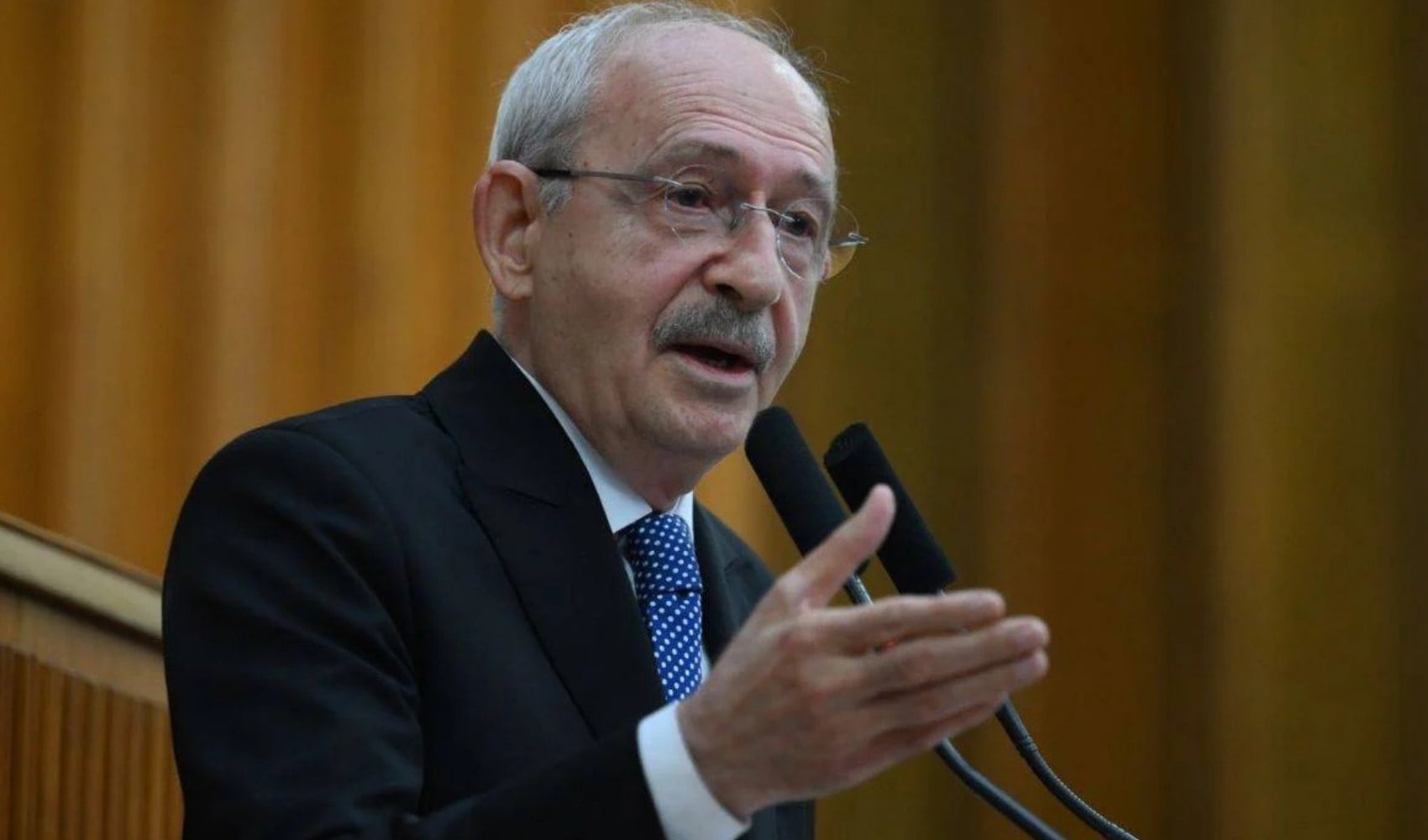
Kılıçdaroğlu sends formal notice to YENİ Party

Diyanet Foundation, which claimed 'we have no resources,' owns 73 percent of the fund!

Is it time for the Turkish Parliament to revoke its 31-year-old 'Casus Belli' decision?

No to the 'opening' bar masked as change, yes to the Republic's bar

Ezel Akay and his brother's test results came back positive
Why is Paris burning? The crisis of the welfare state and the revolt of social justice

'From a Journalist’s Pen: The Tüfekli File'
The politics of particles and the financing puzzle: 'Calamitous questions'