


Reflections on the postmodern Navarino incident on the 111th anniversary of March 18, 1915



The imperial powers of the era—the United Kingdom, France, and Tsarist Russia—were behind the Morea rebellion. The calculations had long been made. The "Big Three" would act as midwives to the birth of Greece, which would be tasked as a Western hitman against the Ottoman Empire in the Mediterranean and the Aegean Sea!
Faced with the Tsarist dream of reaching warm seas, France's calculations regarding the Mediterranean and North Africa, and the United Kingdom's strategy for Mediterranean hegemony, the brutality against Muslims in the Morea held no significance! As you can see, the imperialist bloc was in complete solidarity regarding the prevention of Ottoman intervention against the ethnic cleansing of Turks in the Morea.
In 1826, with the Ottoman land army (the Janissary Corps) abolished, if the empire were to also lose its naval power, there would be no obstacles left for the "Big Three" to roam freely in a village without dogs. The raid by the triple coalition on October 20, 1827, against the 57-piece Ottoman fleet anchored in the port of Navarino, despite there being no state of war, was the tragic field application of this insidious calculation.
Having lost 57 warships and 8,000 sailors in the Navarino incident, the Ottoman Empire no longer had the strength to prevent the artificial statelet under imperial tutelage. Defeated by Tsarist Russia in Rumelia and the East, and having lost Edirne, Akhaltsikhe, Kars, and Erzurum, the Ottoman Empire signed the Treaty of Edirne (September 14, 1829), which paved the way for Greek independence.
The sine qua non for the Ottoman Empire, spread across three continents, to maintain its power, effectiveness, and deterrence was to possess a strong naval force that could simultaneously show its flag and ensign in the Mediterranean and the Black Sea. Unfortunately, the era of Barbaros Hayreddin Pashas and Turgut Reises remained in the past! The reality of the 18th and 19th centuries was an Ottoman Empire in decline, having lost hegemony over the Mediterranean and the Black Sea to powerful adversaries and continuously losing territory on both land and sea.
- Tsarist Russia's July 7, 1770, raid on the port of Çeşme (a destroyed fleet and 11,000 martyrs)
- The French, British, and Russian navies' October 20, 1827, Navarino raid (a destroyed fleet and 6,000 martyrs)
- Again, Tsarist Russia's November 30, 1853, raid on the port of Sinop (a destroyed fleet and 4,000 martyrs)
Although March 18, 1915, is called the Çanakkale Naval Victory, the victory of March 18 has not been viewed sufficiently from the perspective of the sea. If the Ottomans had possessed sufficient naval power, could the Allies have come all the way to the Dardanelles so easily? Could they have approached both sides of the strait with their battleships and bombarded Turkish trenches with such arrogance?
The negative consequences of the lack of naval power would continue throughout the Gallipoli land battles. The Allies' maritime supply routes were never in danger; the British were able to transport tens of thousands of soldiers and logistics from Alexandria, Egypt, to Gallipoli with ease, moving as comfortably as if they were in their own territorial waters.
As Admiral Mahan, the architect of US Naval Strategy, said, “Whoever rules the waves rules the world.” Let the second sentence be from us: Whoever cannot rule their seas is not only confined to the mainland but will perish!
After commemorating the martyrs and veterans of the Çanakkale naval and land battles, the Hero of Anafartalar, and their commanders with mercy and gratitude, it is time to bring the subject to the Postmodern Navarino Incident carried out against the Turkish Navy.
Do you think the Balyoz (Sledgehammer), the Assassination of Admirals, and other judicial conspiracies were merely the work of the Parallel Treason Network? Do you think the Silivri inquisitions established against the spiritual heirs of Barbaros Hayreddins, Turgut Reises, and Captain Pashas were only the ambushes of the preacher's disciples?
If you still have not understood that the Balyoz conspiracy was the Postmodern Navarino Incident of an imperial consortium that wanted to isolate Turkey from the Aegean and Mediterranean, expel it from Cyprus, and imprison it within the Anatolian mainland, then you have been afflicted with a disease of negligence that paves the way for future Lepanto, Çeşme, Sinop, and Navarino raids!
Would you like to get notifications about new developments and save news?
- NotificationsNew developments and breaking news
- SaveNews is stored in the app
Most Read

National Anthem surprise from Japanese Ambassador
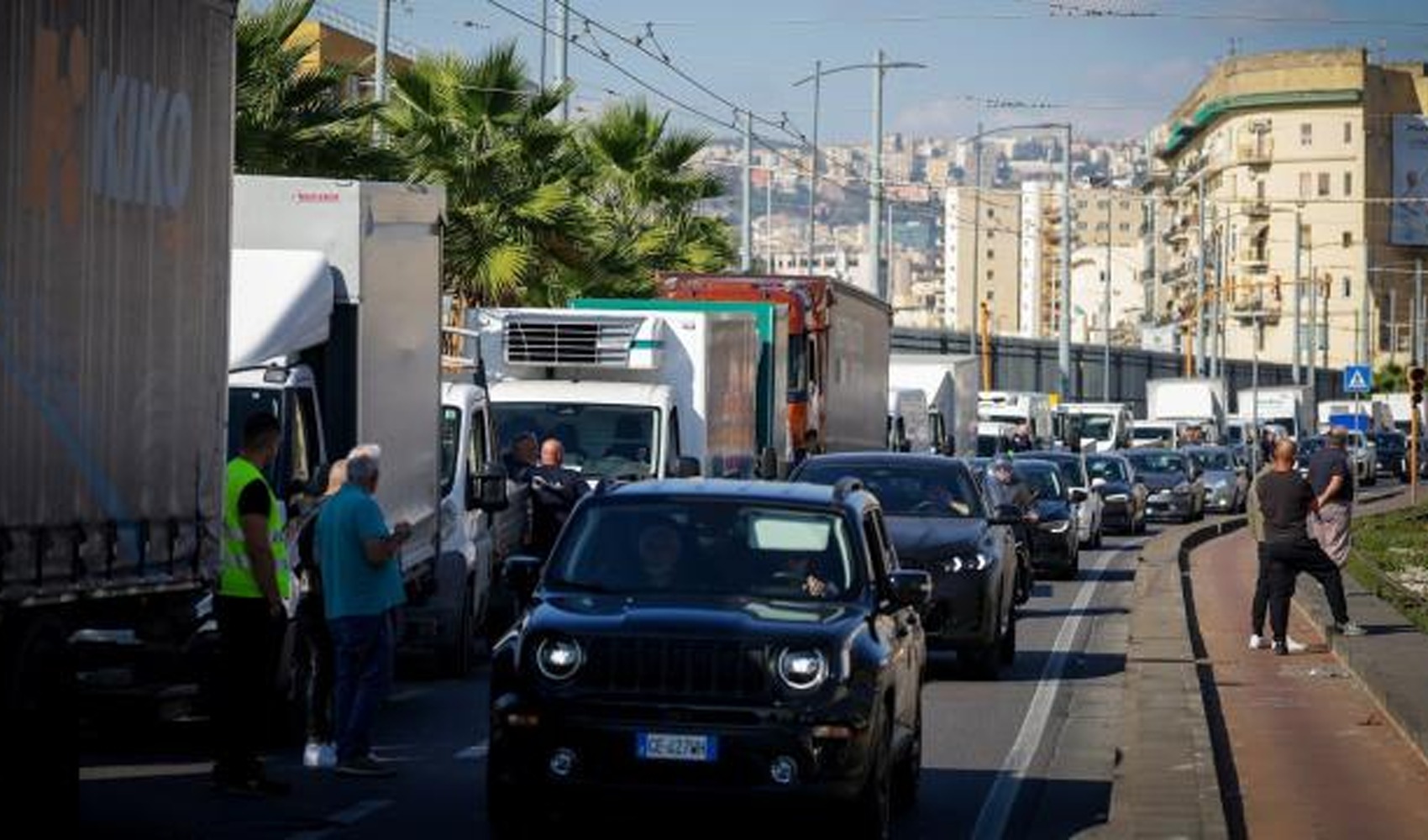
Diesel protest in Italy brings roads to a standstill

Kılıçdaroğlu sends formal notice to YENİ Party

Diyanet Foundation, which claimed 'we have no resources,' owns 73 percent of the fund!

Is it time for the Turkish Parliament to revoke its 31-year-old 'Casus Belli' decision?

No to the 'opening' bar masked as change, yes to the Republic's bar
Ezel Akay and his brother's test results came back positive

Why is Paris burning? The crisis of the welfare state and the revolt of social justice

'From a Journalist’s Pen: The Tüfekli File'

The politics of particles and the financing puzzle: 'Calamitous questions'