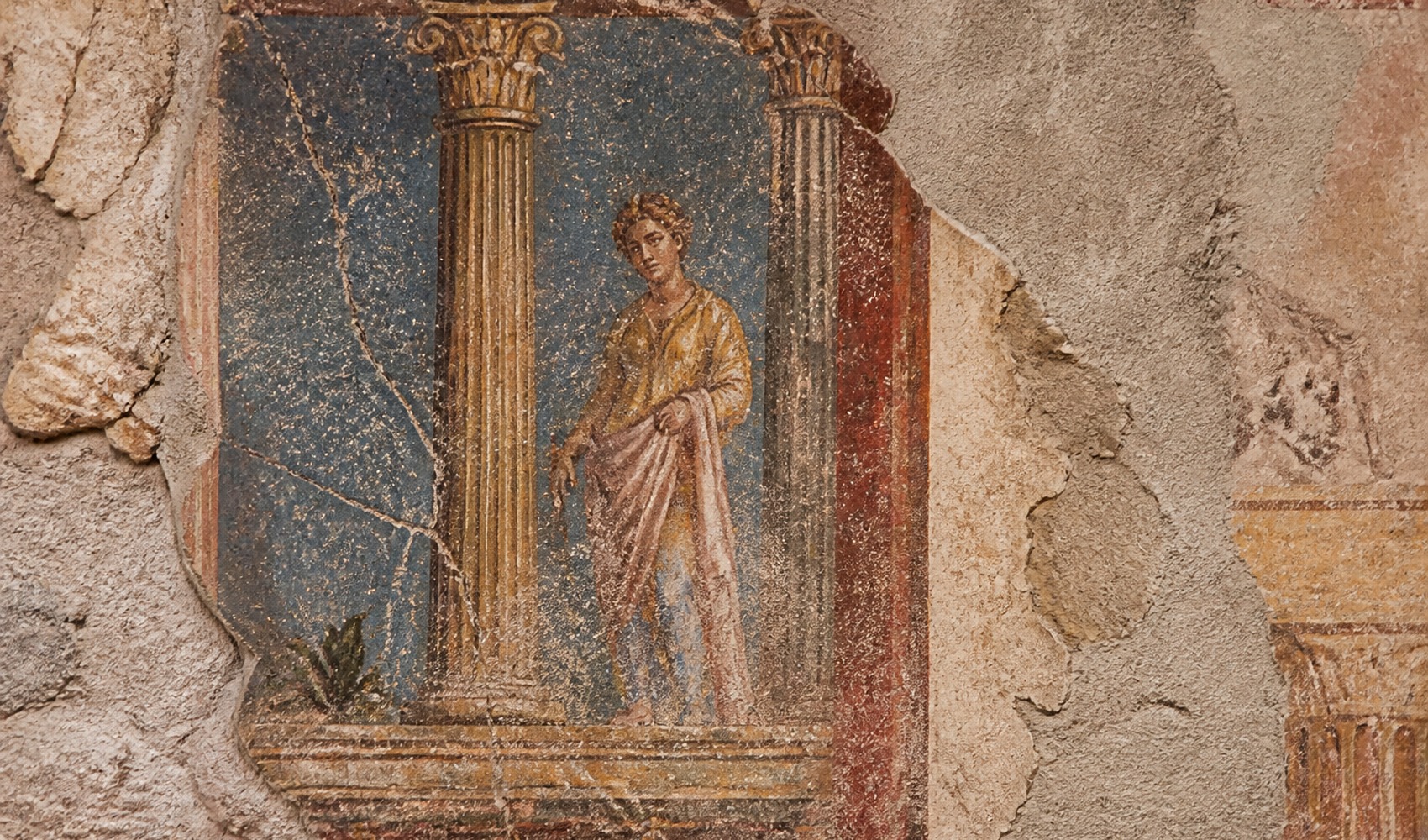
Approximately 2,000-year-old frescoes and mosaics found in the Baths of Trajan, located on the Oppian Hill near the Colosseum in Rome, are opening to the public for the first time following restoration work.
Among the works dating back to the 1st century AD, the “Painted City” fresco, which depicts a walled port city from a bird's-eye view, and the approximately 15-meter-high “Great Mosaic” stand out. Roman authorities announced that the conservation process for the works, which were discovered in an underground gallery during excavations in the 1990s, has been completed.
Rome Mayor Roberto Gualtieri stated that the complex is unique in the world not only for its artistic beauty but also for its historical and documentary value. According to officials, the fresco is considered one of the largest wall frescoes of its kind to survive from the ancient Roman period to the present day.
VISITS WILL BEGIN WITH LIMITED GROUPS
During the trial period starting this month, the works will first be viewable on weekends in small groups of 15 people. The goal is to observe how the delicate surfaces react to increased humidity and climate conditions. Depending on the condition of the structures, it is planned to expand visitor access in the future.
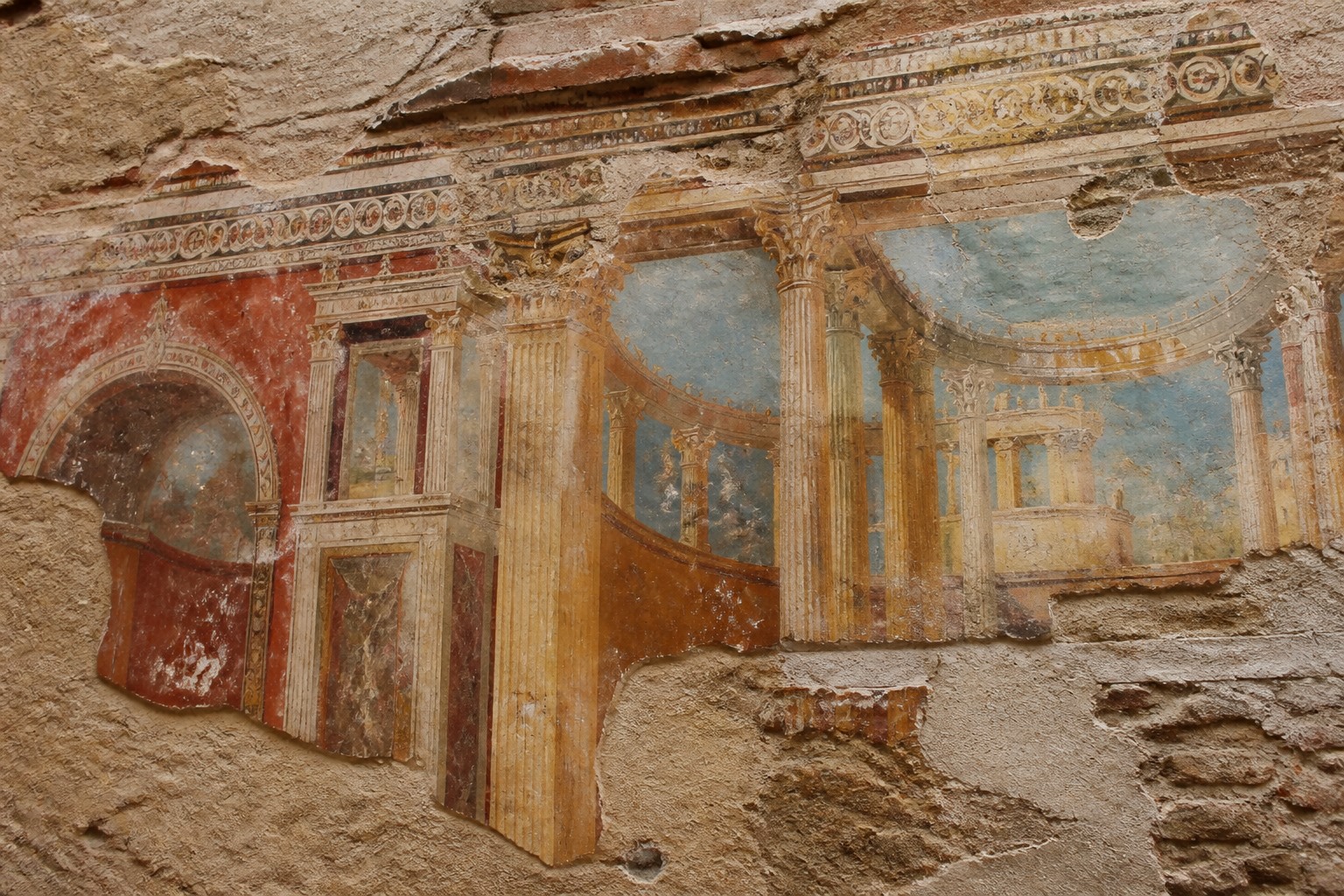
Claudio Parisi Presicce, Rome's Superintendent of Cultural Heritage, said that the city seen in the fresco is remarkably well-preserved with its buildings, theater, temple, squares, and towers. Presicce stated that it is not yet known which city is depicted, but that it must have been a “particularly well-known” port city of the period.
As part of the restoration, deposits on the surface were cleaned, the decorations were made more visible, and the joints were reinforced to protect fragile sections. Although the blue and terracotta tones have faded due to centuries of being underground, the architectural details in the fresco are still discernible.
The Baths of Trajan, which opened for service in 109 AD during the reign of Emperor Trajan, was a structure spread over an area of approximately 6 hectares and is considered one of the largest bath complexes of its time. The complex is thought to have been a multi-functional public space that hosted not only bathing and sports activities but also cultural events.
News Source: 12punto