Numerous actors including Cate Blanchett, Javier Bardem, Meryl Streep, Emma Thompson, Helen Mirren, Kristen Stewart, George Clooney, Viola Davis, and Tom Hanks have come together in a new online initiative aimed at making artists' identity rights visible in the face of artificial intelligence.
The non-profit platform rslmedia.org allows artists and content creators to record the conditions under which their faces, voices, movements, or ideas can be used by artificial intelligence systems.
The initiative aims to provide a practical response to the debates surrounding consent and intellectual property that artificial intelligence has created in the creative sectors.
The platform, which counts Blanchett among its co-founders alongside Nikki Hexum, Doug Leeds, and Eckart Walther, functions as a form of identity verification and consent declaration infrastructure.
Users are expected to register by verifying their identities and specifying their preferences regarding artificial intelligence usage.
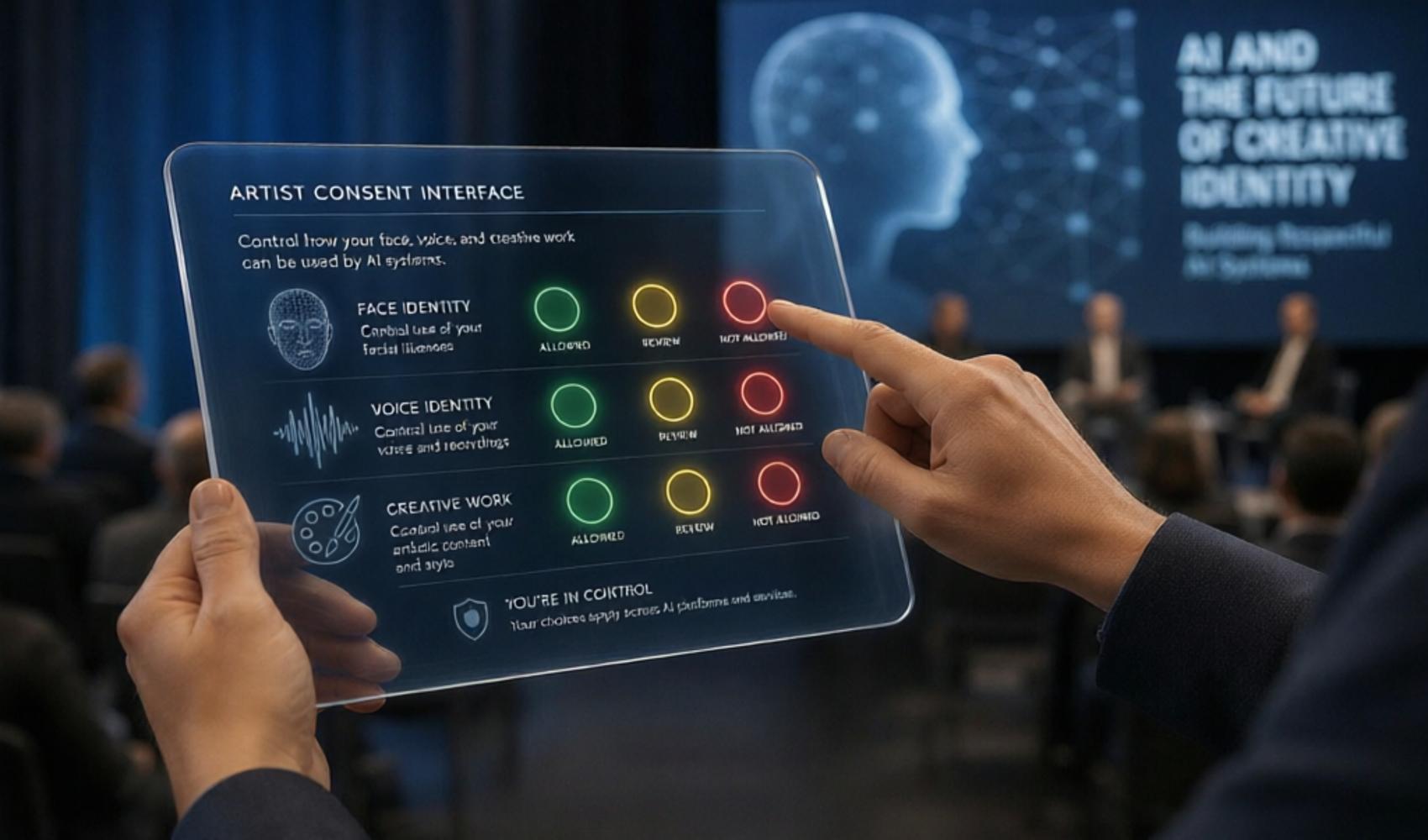
CONSENT IS DEFINED BY THREE COLORS
In the system, consent levels are classified by three colors. Green indicates free use; yellow indicates use subject to certain conditions such as payment; and red indicates that use is not permitted. Thus, the goal is to create a database for artificial intelligence companies and other users that displays artists' preferences in a scalable way.
At the event where she introduced the platform at the European Parliament, Blanchett stated that they are not advocating for stopping technological progress in artificial intelligence, but rather for establishing mechanisms that will protect human rights.
The actor said, "To find a path between the unbridled enthusiasm for artificial intelligence and the dangers it creates, we need consent-based protective measures."
Director Steven Soderbergh also attended the event.
The discussion, moderated by European Parliament member Eva Maydell, also included legal experts, filmmakers, musicians, lawmakers, and representatives from the business world.
Some technology sector representatives expressed concerns that such initiatives could weaken the European technology sector against its competitors.
Soderbergh, however, stated that the initiative should not be seen as a legal ban. The director remarked, "This is not a law, nor is it a restriction; it is a persuasive mechanism designed to do the right thing in a simple and elegant way."
The starting point of the platform is based on the idea that human identity is also an area of intellectual property that must be protected. Along with the European Union's regulatory framework in the field of artificial intelligence, the debate on consent, transparency, and identity rights in the creative sectors is expected to grow even further.
News Source: 12punto